Representative image

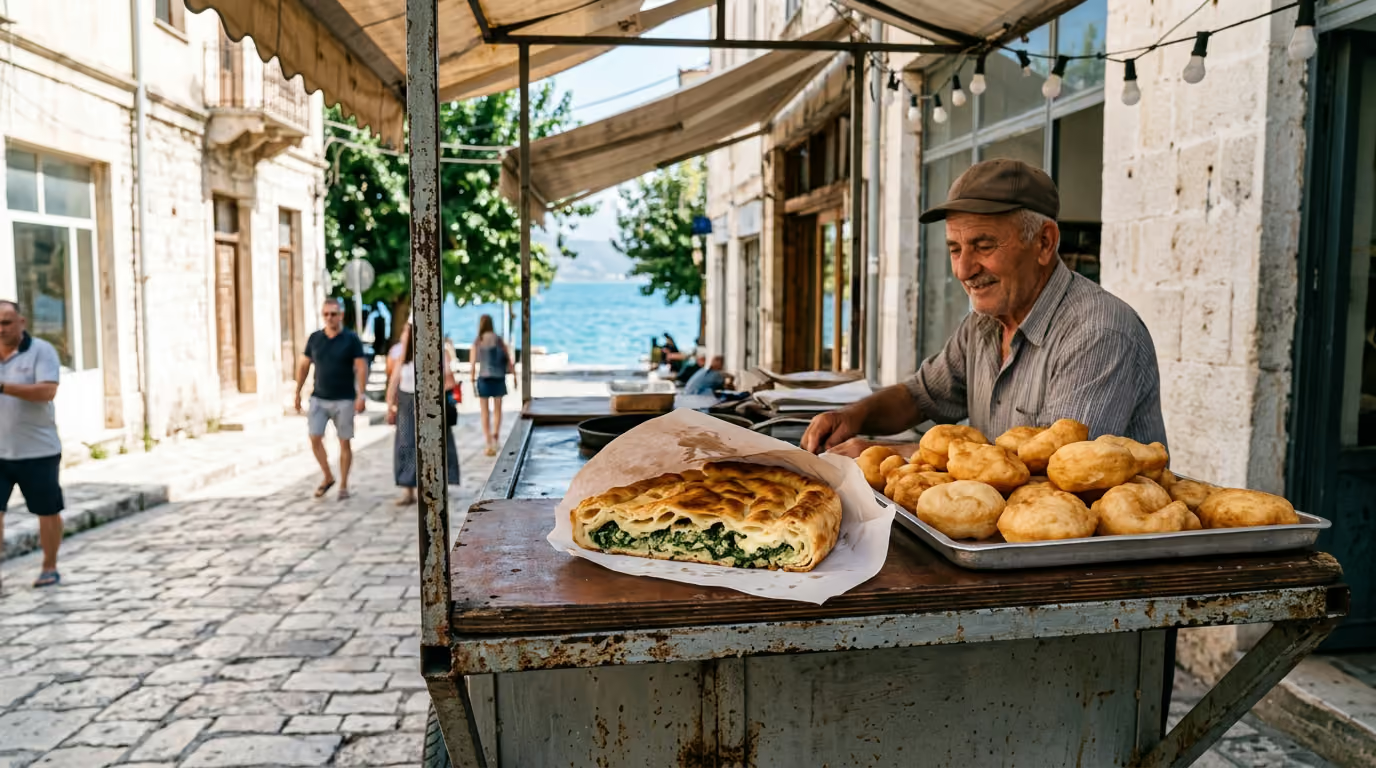
Street food stalls in Vlore might seem risky to foreign travelers, but local vendors consistently serve safe, fresh pastries and grilled meats for very low prices.





Many visitors assume eating quick meals off a coastal carts means risking a serious stomach bug. The truth involves a much safer reality if you know exactly where to look. Vlorë street food offers a highly affordable mix of fresh byrek pastries, fried petulla, and grilled qofte meant to be eaten on the go. You only need to know which food carts turn over fast and which vendors follow strict hygiene basics.
Eating outdoors forms the backbone of actual life in this coastal city. Locals do not prefer sitting inside tight dining rooms during clear summer days. The mild climate pulls people out to long seaside promenades. Street food here bridges a gap between early morning coffees and late night seaside strolls. Eating from a street cart is highly functional and deeply social. You stand next to locals on their lunch break. You share the same public benches with grandfathers reading the news. Understanding this food scene connects you directly to the daily rhythm of Vlorë.
To eat well in Vlorë, you must learn the layout of the city. The city splits into distinct zones with totally different food styles. You will find different carts depending on how far inland you walk. Planning your walking route saves you time and guarantees fresher meals.
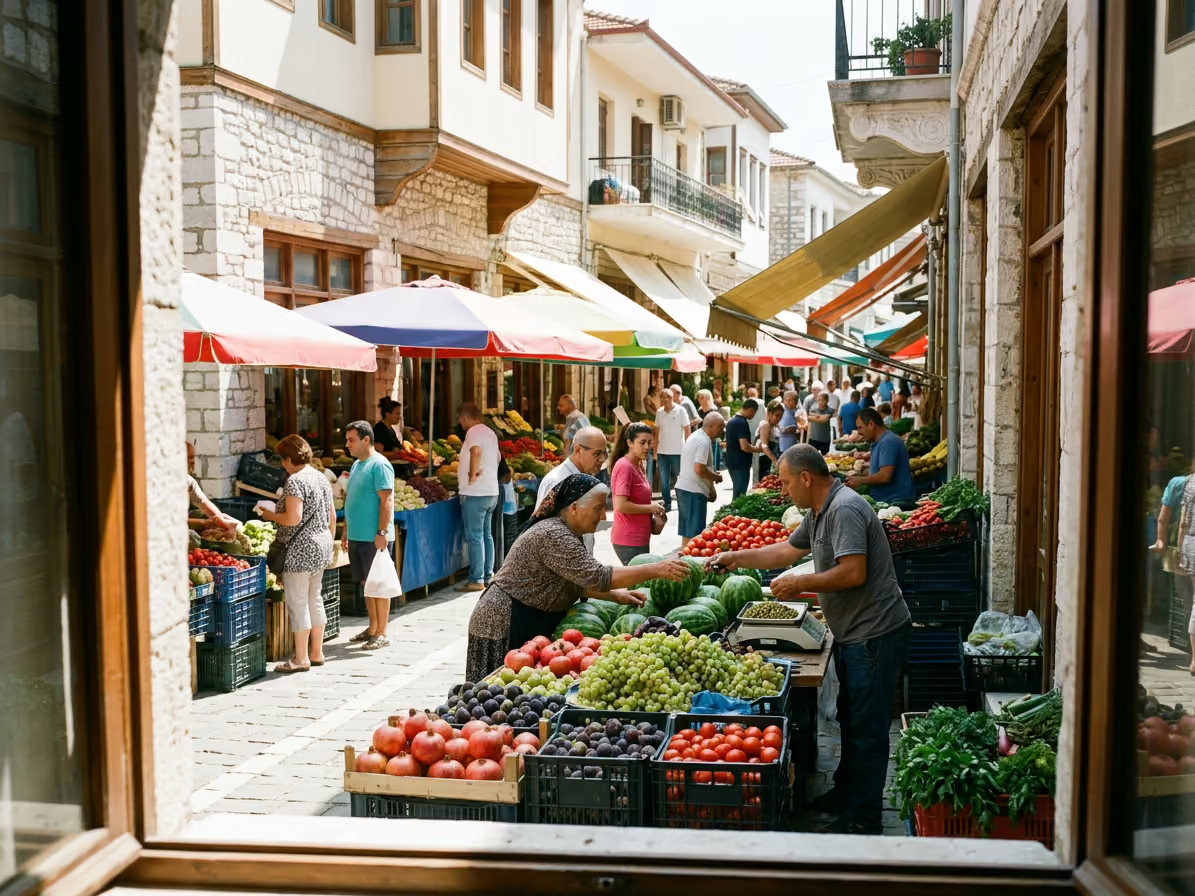
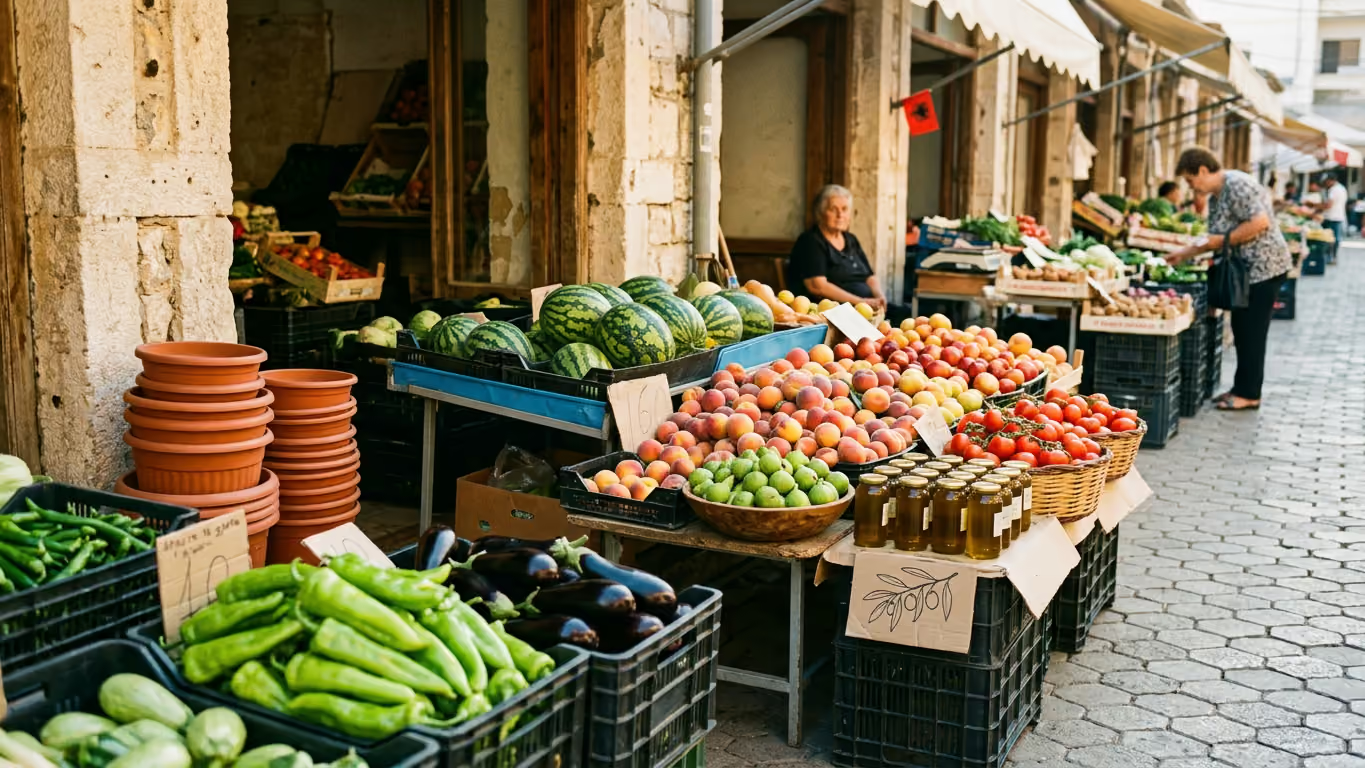
Start your morning walks near Pazari i Ri. This central market area wakes up before the rest of the city. Vendors here set up their equipment while the sun rises. The streets smell like hot oil and fresh dough. This area caters strictly to locals buying their daily groceries. You will find the most authentic and cheap breakfast options here. The vendors do not speak much English, but pointing works perfectly.
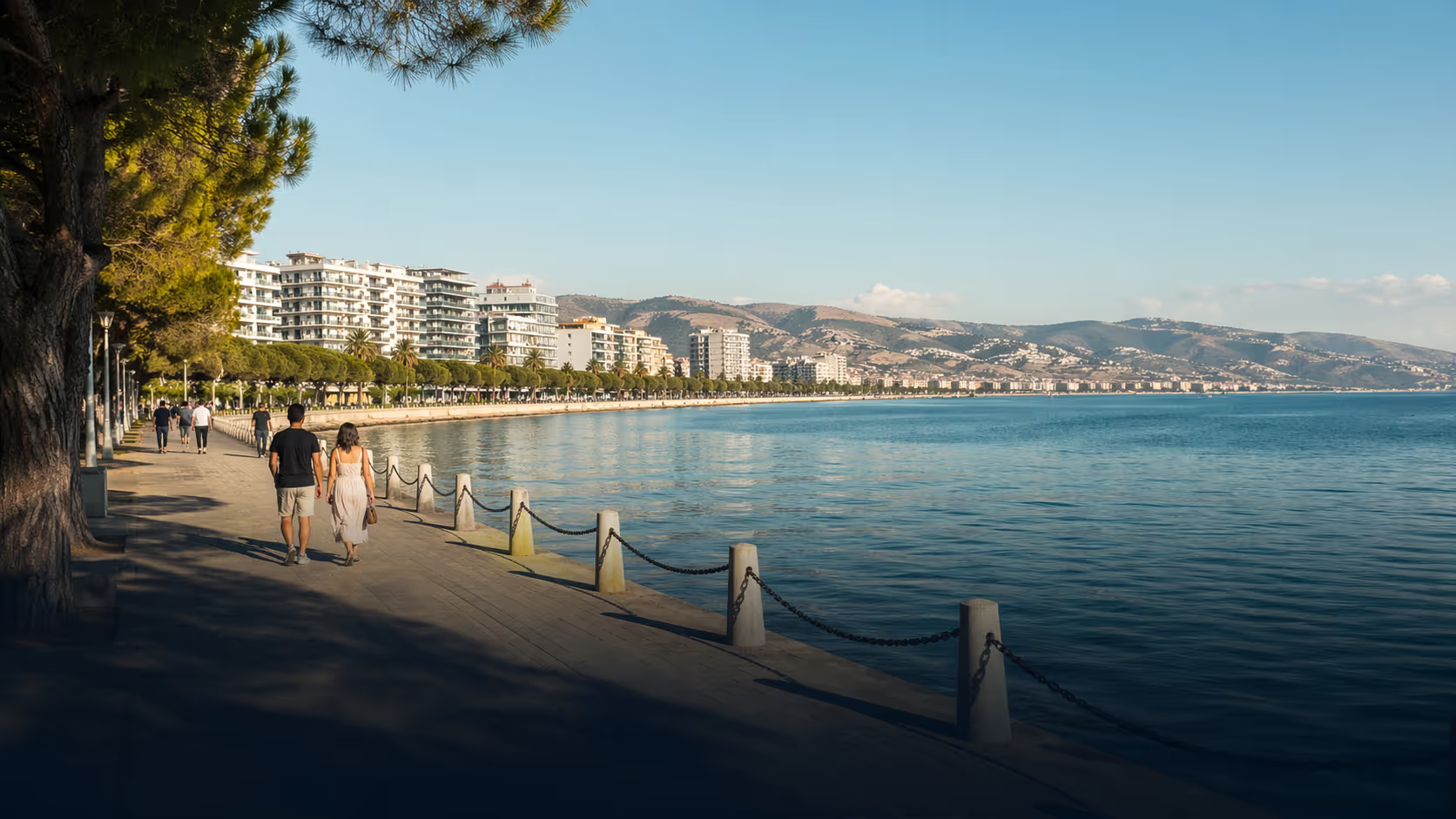
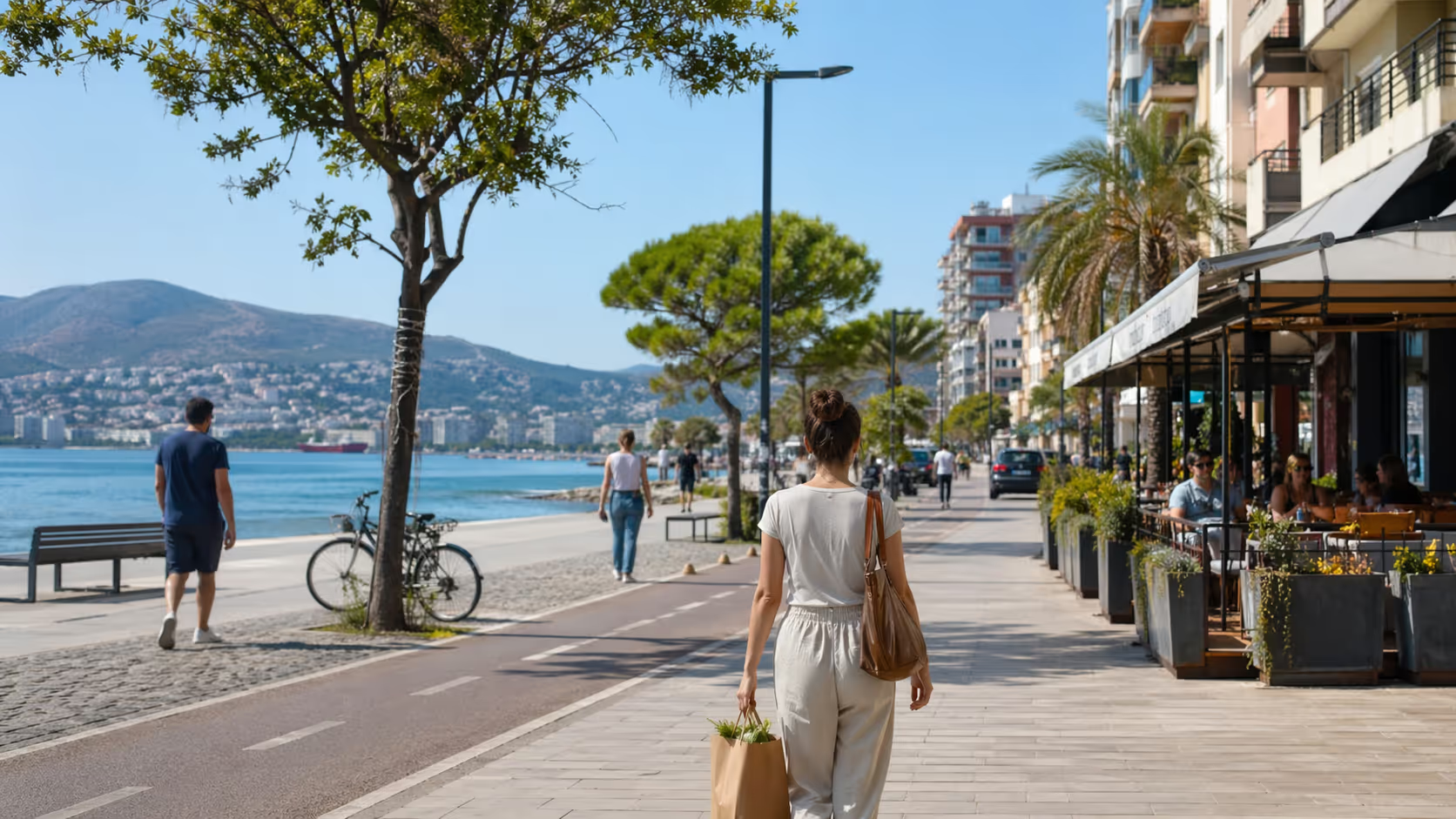
Move toward the Lungomare for your midday and evening meals. This massive seaside promenade stretches for miles along the coast. The city completely rebuilt this area over the past decade. It now serves as the main social hub for residents and seasonal workers. Food stalls line the walking paths facing the open water. You eat your grilled meats while watching the ships pull into the nearby port.
Sheshi Flamurit acts as the third major food zone. Flag Square sits further inland near the old town center. This historic plaza fills up with teenagers and families after the sun goes down. Small carts selling seeds and grilled corn appear along the stone paths. Food stalls near the square focus heavily on quick meat dishes. The prices drop slightly as you move away from the tourist-heavy beaches.
Eating from carts and small stalls saves you an incredible amount of money. Restaurant meals near the beach often carry a heavy premium. Street vendors keep their overhead very low. They pass those savings directly to the daily customers. You can easily feed two people for the price of one cheap sit-down appetizer.
Byrek serves as the cheapest and most filling option available. Buying a single piece usually costs between 100 to 200 Albanian LEK. This equals roughly one to two Euros. A single piece of byrek easily satisfies a normal morning appetite. You can buy two pieces and a yogurt drink to stay full until dinnertime. The price rarely changes whether you buy spinach or meat fillings.
Petulla prices remain incredibly low across the entire city. These fried dough balls cost roughly 50 to 100 LEK each. Vendors almost always sell them in small paper cones or bags. A full bag of five or six pieces will cost under 300 LEK. You might pay a small extra fee to add powdered sugar or chocolate syrup. Buying petulla outside the central market might cost slightly more.
Qofte remains the most expensive street food choice. A standard portion of these grilled meat patties costs 200 to 400 LEK. The vendor usually includes a few slices of fresh bread and chopped raw onions. You can build a complete dinner for under 500 LEK by combining qofte with a local beer. Food costs drop even further if you avoid the stalls directly on the main beach sand.
You must learn the three main foods that dominate the Vlorë street scene. You will not find complicated international dishes on these carts. Vendors stick to generational recipes that require very few ingredients. They perfect one specific item and sell it hundreds of times a day.
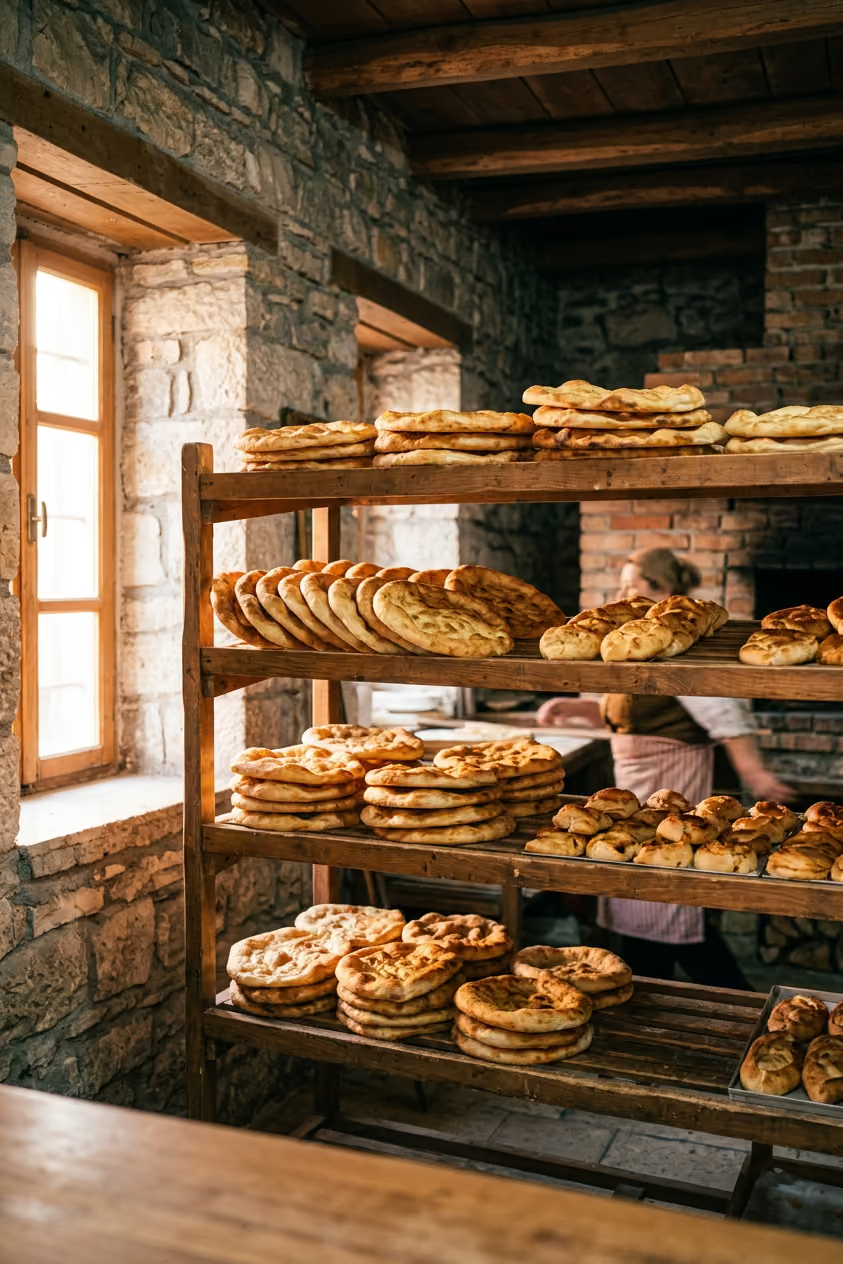
Byrek represents the undisputed king of Albanian fast food. This savory pie consists of extremely thin layers of phyllo dough. Bakers stretch the dough by hand until it becomes almost transparent. They brush each layer with oil or butter before adding the filling. The final product comes out of the oven flaky and golden brown. You will make a huge mess eating it on a park bench.
Vendors produce several distinct variations of byrek every morning. Spinach and local white cheese forms the most popular combination. Many shops also sell a pure meat version using seasoned ground beef. Pumpkin byrek appears frequently during the cooler winter months. You can sometimes find versions filled with fresh tomatoes and onions. Always ask the vendor what just came out of the oven.
Petulla serves as the traditional morning comfort food. These simple treats resemble unsweetened donuts or fried bread. Vendors drop wet yeast dough directly into large vats of boiling oil. The dough puffs up instantly and turns dark brown within minutes. Locals eat them piping hot before the dough has time to settle. They taste best when paired with a very strong espresso.
Qofte offers a heavy and satisfying protein fix. These skinless sausages consist of minced beef or lamb mixed with heavy spices. Cooks blend the meat with mint and garlic before shaping it by hand. They grill the meat over open charcoal flames on small metal carts. The smoke from the grill acts as a natural advertisement for the stall. You eat them using a simple wooden skewer or tucked inside soft bread.
You cannot just walk up to a cart at any hour and expect great food. Street stalls follow a very strict daily schedule based on local habits. Eating the right food at the wrong time ruins the experience. Understanding the clock guarantees you eat food exactly when it reaches its peak flavor.
Morning hours belong entirely to petulla and freshly baked byrek. The best window for breakfast food opens at 7 AM and closes by 10 AM. Bakers pull their largest trays out of the ovens during this exact window. The oil in the petulla friers remains perfectly clean and clear. If you buy byrek after noon, you risk eating something that sat behind glass for hours. The pastry shell turns rubbery and cold as the day goes on.
Midday meals require a shift toward the busy walking paths. Between 12 PM and 3 PM, workers leave their offices to grab lunch. You want to follow the crowds in business casual clothing. They know exactly which carts produce the freshest batches of midday food. Lunchtime byrek often features heavier meat fillings to sustain workers until dinner.
Evening hours trigger the lighting of the charcoal grills. Qofte vendors rarely open before 6 PM. The smoke starts billowing across the Lungomare just as the sun sets. The peak hours for grilled meats run from 8 PM until late into the night. Eating qofte in the heat of the afternoon is a totally miserable experience. Wait for the cool coastal breeze before ordering heavy hot food.
Food safety experts recommend standard frameworks for evaluating any outdoor vendor. Research from TastyIgniter emphasizes the importance of visual inspections before ordering. You do not need a health inspector badge to spot a bad cart. You just need to follow a strict mental checklist every single time you eat.
Many travelers carry false assumptions about exact street food risks. They learn rules in one country and apply them incorrectly to Albania. You must unlearn these myths to fully enjoy the local offerings. Focusing on the wrong details creates unnecessary anxiety during your trip.
People often assume eating meat carries the highest risk of sickness. The safety data completely contradicts this common fear. A report by Matador Equipment notes that cooked hot meat is generally very safe. Thoroughly cooking minced qofte over charcoal kills almost all dangerous pathogens. The heat eliminates the primary threats if you eat it immediately.
Raw vegetables actually carry a much higher risk of ruining your stomach. Vendors often wash lettuce and tomatoes using municipal tap water. That untreated water stays on the leaves right up until you eat them. You face a higher risk from a side salad than from a hot sausage. Skip the raw garnishes if you possess a highly sensitive stomach.
Another major myth involves the perceived safety of ice. Many tourists order cold drinks with ice to escape the heavy summer heat. They wrongly assume the vendor made the ice using purified bottled water. Vendors usually freeze standard tap water to keep their costs low. You should only drink factory sealed beverages when eating near the street. Ask for drinks that were chilled inside a mechanical refrigerator instead of an ice cooler.
Some people believe high prices equal higher safety standards. A costly qofte wrap in a tourist area does not guarantee careful preparation. Local spots charging half the price often maintain much cleaner stations. They rely on repeat daily business from the exact same residents. A neighborhood vendor cannot afford to make their daily regulars sick.
Postcards and travel videos paint a lovely picture of eating by the sea. The reality of eating street food in Vlorë involves several annoying truths. You must adjust your expectations to enjoy the experience without frustration. Romanticizing the street food scene leads to deep disappointment.
The summer heat makes eating outside intensely uncomfortable by noon. The concrete on the Lungomare traps the heat and reflects it upward. Standing in line for a hot piece of cheese pie becomes a sweaty chore. You will likely eat your food standing next to a loud road. The sound of zooming cars often ruins any attempt at quiet conversation.
Service remains highly functional and completely without charm. Vendors work hard and they work fast to clear the line. They will not smile and ask about your day. They expect you to shout your order and have your exact change ready. Holding up the line to ask about ingredients marks you as a nuisance. You must learn the swift rhythm of the transaction.
Stray animals frequently hover around the popular eating spots. Vlorë has a noticeable population of street dogs and cats near the food stalls. They will sit near your feet and stare at your qofte. They are generally harmless but their presence bothers many foreigners. You must accept them as a normal part of the outdoor dining ecosystem.
Trash management around the food carts sometimes fails during peak season. Small public bins overflow with paper wrappers and plastic cups by mid-evening. A travel guide from DriveAlbania notes that street cleanliness varies wildly. You might have to walk fifty meters away from the cart to find empty bench space. Be prepared to carry your greasy wrappers until you find an empty bin.
Albania works constantly to align its food standards with strict European guidelines. The National Food Authority monitors safety across all major urban centers. This government body carries the abbreviation AKU. Their agents enforce rules on meat sourcing and vendor licensing. Knowing how this system works gives you better peace of mind.
The AKU mandates regular inspections for brick and mortar byrek shops. Shops operating legally display their state licenses near the cash register. These inspections verify standard pest control and basic food storage rules. Street carts operate in more of a grey area regarding daily checks. The government tries to regulate them but the carts move often.
A key indicator of safety involves the commercial products sold alongside the food. Look for AKU seal markers on any packaged yogurt or cheese the vendor uses. The presence of regulated local products shows the vendor shops at legitimate suppliers. Vendors buying uninspected meat from rural farms present a much higher risk. Established stalls near the port almost always use officially inspected local meats.
Regional health insights rate Albania as a medium risk destination for travel sickness. A report compiled by TravelFoodGuide confirms that coastal areas feature better overall safety than deep rural villages. The presence of modern refrigeration in Vlorë keeps the risk low. You still must remain vigilant but you do not need to panic. The food system functions well if you avoid the obviously dirty stalls.
Finding the exact right cart requires a bit of local direction. The best spots do not advertise on the internet or hang large signs. They rely entirely on word of mouth from the surrounding streets. Knowing a few specific spots gives you a solid anchor for your first days in town.
Look for Byrek Mandi near the port area for your morning pastry. This small operation produces incredible spinach layers starting very early. The vendor uses separate boards for cutting to avoid cross contamination. You can watch the entire baking process through the open front window. Expect to pay about 150 LEK and wait nicely in a fast moving line.
Explore the indoor stalls at the main daily market for safe petulla. This permanent market building sits just behind the main boulevard. The vendors inside use large commercial fryers rather than small portable pots. The oil stays at a more consistent temperature which prevents the dough from absorbing too much grease. You can buy fresh local honey from the next stall over to dip them in.
Finding good qofte requires walking the promenade at night. Look for the large red umbrellas clustered near the center of the Lungomare. You want the stall with the oldest looking grill master working the tongs. A good grill master constantly rotates the skewers to ensure totally even cooking. Grab a spot on the sea wall and eat quickly while the meat stays hot.
Do not overlook the small neighborhood bakery boxes. Many residential streets feature tiny windows carved right into the side of a house. These micro bakeries sell byrek directly to the local families on the block. The quality often beats anything found on the main tourist strips. Walk down any side street near the university to spot these hidden windows.
Your own personal hygiene matters just as much as the vendor's setup. A report by HSEDocs outlines common safe practices for consumers eating outdoors. You bring bacteria to your food through your own hands and habits. Taking a few minor precautions completely changes your risk profile.
Always wash your hands immediately before touching your food. You likely touched money, bus rails, and door handles before arriving at the cart. Albanian LEK notes pass through thousands of hands and carry severe grime. Carry a small bottle of alcohol hand sanitizer in your daily bag. Use it the exact second after you receive your change from the vendor.
Learn to eat without actually touching the main food item. Good vendors wrap byrek in a thick paper sleeve designed for holding. Peel the paper back slowly as you take bites. Do not pull the pastry out with your bare fingers. Petulla sticks often come with a small wooden toothpick for stabbing the dough. Use the provided tools perfectly to keep your hands clean.
Drink the right liquids alongside your heavy street snacks. Eating fried dough and oily cheese requires a good digestive aid. Locals frequently drink dhallë alongside their daily byrek. This salty liquid yogurt coats the stomach and aids heavily in digestion. Buying a cold plastic bottle of dhallë provides a much better pairing than sugary soda.
Pace yourself during your first few days in the city. Do not eat a massive bag of petulla followed by three qofte skewers on day one. Your stomach needs time to adjust to the local cooking oils and heavy dairy. Start with a simple cheese byrek and see how your body reacts. Building up your tolerance slowly guarantees a totally painless trip.
Vlorë changes its entire personality based on the calendar month. The street food scene shifts dramatically between the hot summers and quiet winters. You must adapt your eating strategy depending on when you actually arrive. The rules of engagement change when the weather turns.
The summer season brings heavy crowds and intense coastal heat. Vendors work overtime to feed the endless stream of foreign visitors. The high volume forces the meat carts to burn through inventory rapidly. You rarely have to worry about meat sitting too long in August. The intense heat does make mayonnaise based sauces highly dangerous. Skip any white sauce offered during the peak summer months.
Winter offers a much slower and calmer street eating scene. Many of the small carts along the beach completely vanish by November. Those that remain cater purely to the local Albanian residents. The prices drop back down to normal seasonal levels. You can stand near the hot grills just to stay warm against the sea wind.
Winter also shifts the local flavor profiles slightly. Pumpkin and heavy potato fillings replace the light summer greens in the byrek shops. You will see more vendors selling hot roasted chestnuts near the main squares. Drinking a hot espresso with a heavy meat byrek feels perfect on a damp January morning. The food feels heavier because the body requires more calories to stay warm.
Festivals disrupt the normal flow of safe street eating. Vlorë celebrates Independence Day heavily every November. The streets fill with massive crowds and brand new pop-up vendors. Regular safety standards drop significantly during these chaotic street parties. Lines grow too long and some cooks rush the grilling process. Stick to the permanent established shops during major city holidays.
Eating from carts creates challenges for anyone with strict dietary needs. You cannot ask a busy vendor about cross contamination on a shared grill. Finding safe food requires learning a few key words and understanding the cooking mechanics. You can survive easily if you know what to avoid.
Vegetarians face a fairly easy path in Albania compared to other Balkan spots. Byrek naturally defaults to safe vegetarian options like cheese and spinach. You just need to learn the phrase "Pa mish" which means without meat. You should assume that all fried petulla contains dairy in the dough. Vegans will struggle significantly as butter and cheese find their way into almost everything.
Cross contamination occurs constantly at the evening meat stalls. Vendors throw bread directly onto the same grill right next to the lamb sausages. The bread absorbs the meat grease to gain extra flavor. If you avoid meat for strict reasons, you must avoid the qofte stalls entirely. You cannot ask them to clean the grill just for your piece of bread.
Gluten allergies present the hardest challenge in this specific city. Almost all cheap street food relies heavily on wheat flour. Byrek dough, petulla batter, and the bread served with meat all contain heavy gluten. Qofte recipes often include breadcrumbs mixed directly into the ground meat as a cheap binder. Travelers with severe celiac disease must rely on full service restaurants instead of the walking carts.
Nut allergies are thankfully rare triggers at these specific stalls. Traditional fast savory foods here do not utilize peanuts or tree nuts. You only risk nut exposure if you buy sweet treats tied to the holiday markets like baklava. Always carry your required medical pens just in case. The local hospital sits near the center of town if a reaction occurs.
You cannot rely on Google Translate when standing in a fast moving vendor line. Pulling out your phone marks you as slow and frustrates the local crowd. You only need to memorize a tiny handful of phrases to order perfectly. Speaking the basic words gets you faster service and sometimes larger portions.
Start your interaction with a simple "Tungjatjeta" for hello. Follow this immediately with your specific request. "Një byrek me djathë" translates to one pie with cheese. "Një byrek me spinaq" gets you the spinach version. Hold up your fingers to indicate the quantity to avoid any local math confusion.
When ordering the evening meat, use the phrase "Tre qofte, te lutem" for three pieces, please. If the vendor points to the chopped raw onions, nod and say "Po" for yes or "Jo" for no. Do not attempt to order complicated modifications. You eat what they have resting on the hot plates.
Hand the money over confidently. A phrase like "Sa kushton?" asks how much it costs, but you rarely need it. Vendors usually hold up a certain number of fingers or show you the exact total on a calculator screen. Keep a stack of 100 LEK coins in your pocket specifically for these rapid purchases. Paying with a massive 5000 LEK note for a tiny pastry angers the vendor who must break it.
The best advice comes from people who eat these street meals every single day. If you want to dive deeper into the daily life of Vlorë, Join the community of expats and locals sharing their exact daily finds. Getting insider tips changes a stressful trip into a totally easy routine.
Never eat seafood from a small mobile cart. Vlorë has amazing local fish, but it belongs inside a proper restaurant with strict refrigeration. True street food here relies entirely on dough, dairy, and ground meats. Skip the weird squid skewers sold near the carnival rides. Focus your budget on the heavy baked goods.
Always secure your napkins before you walk away with the food. Street food in Albania produces intense amounts of oil and grease. Byrek flakes explode down the front of your shirt with the first bite. Vendors hide the napkins behind the counter to prevent the sea wind from blowing them away. Ask for "Kartopeceta" to get a small stack of paper.
Do not try to eat while walking. It looks simple, but the uneven pavement on the side streets requires your full visual attention. Spilling hot oil on your shoes ruins the evening stroll. Find a low stone wall or a municipal bench near the water. Sit down, eat fast, wipe your hands, and continue your walk.
Embrace the simplicity of the entire system. Stop trying to find the ultimate gourmet version of a fried dough ball. The magic of Albanian street food lies in its repetitive, comforting basic nature. The best meal is usually the one handed to you right out of the boiling oil on a regular Tuesday morning.
Review these points before you step out onto the promenade looking for a quick bite. Keeping these rules in mind ensures your stomach stays happy.
Eating well off the coastal streets requires common sense rather than blind bravery. Stick to the heavy crowds, watch the active grills, and enjoy the cheap daily flavors.
Follow Vlore Circle for fresh guides, local updates, and community notes around life in Vlorë. It is the easiest way to stay close to what we are building.

Be part of a growing community built around connection, local life, and a better experience of Vlorë.
join the circle