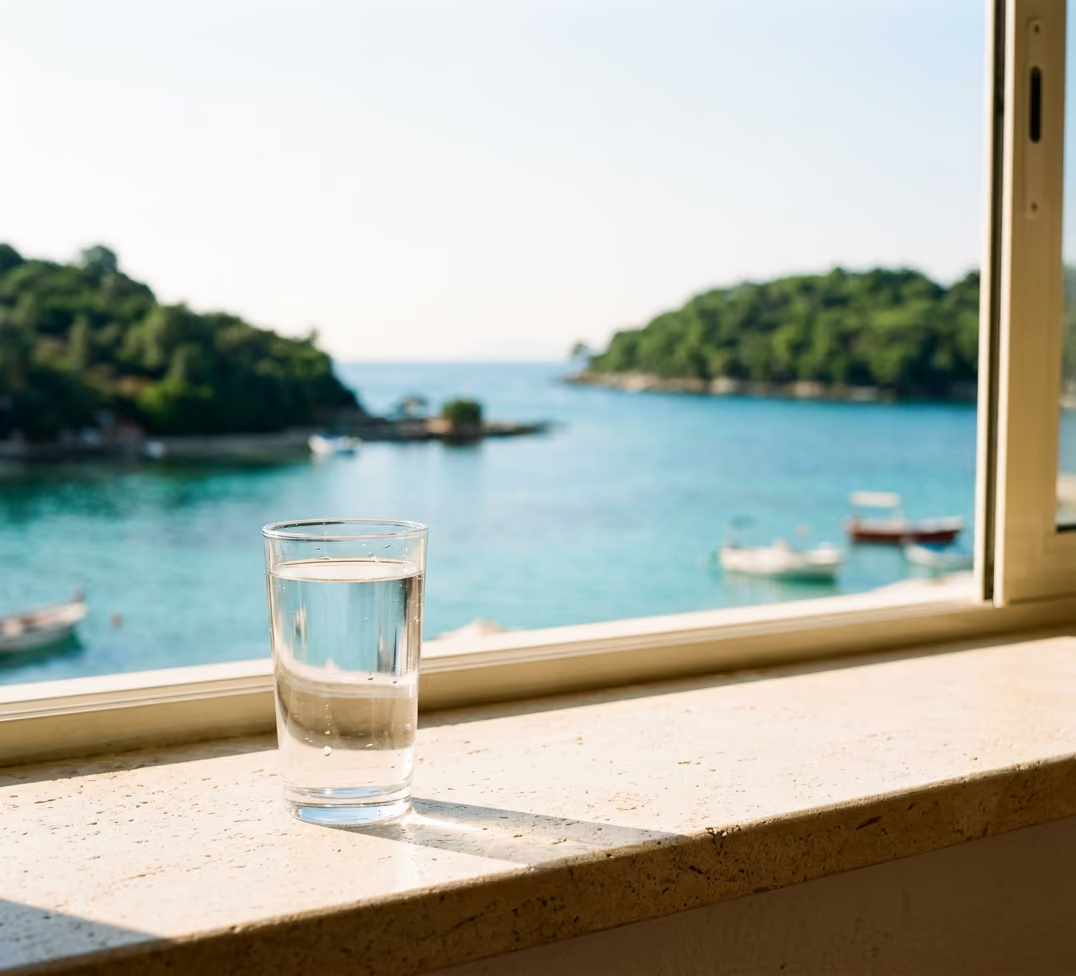
Representative image

Tap water in Vlorë looks clear from the faucet, but aging municipal pipes make filtration or bottled options essential for safe daily drinking.





You unpack your bags in a sunny apartment overlooking the Ionian Sea. The kitchen is modern and clean. You grab a glass from the cupboard and turn on the kitchen faucet. A fundamental question hits you right away. For daily drinking, you should avoid Vlorë tap water and rely on a high-quality reverse osmosis filter or local bottled water. The municipal water is technically treated at the source. Aging building pipes and seasonal infrastructure strain make it unsafe for direct consumption.
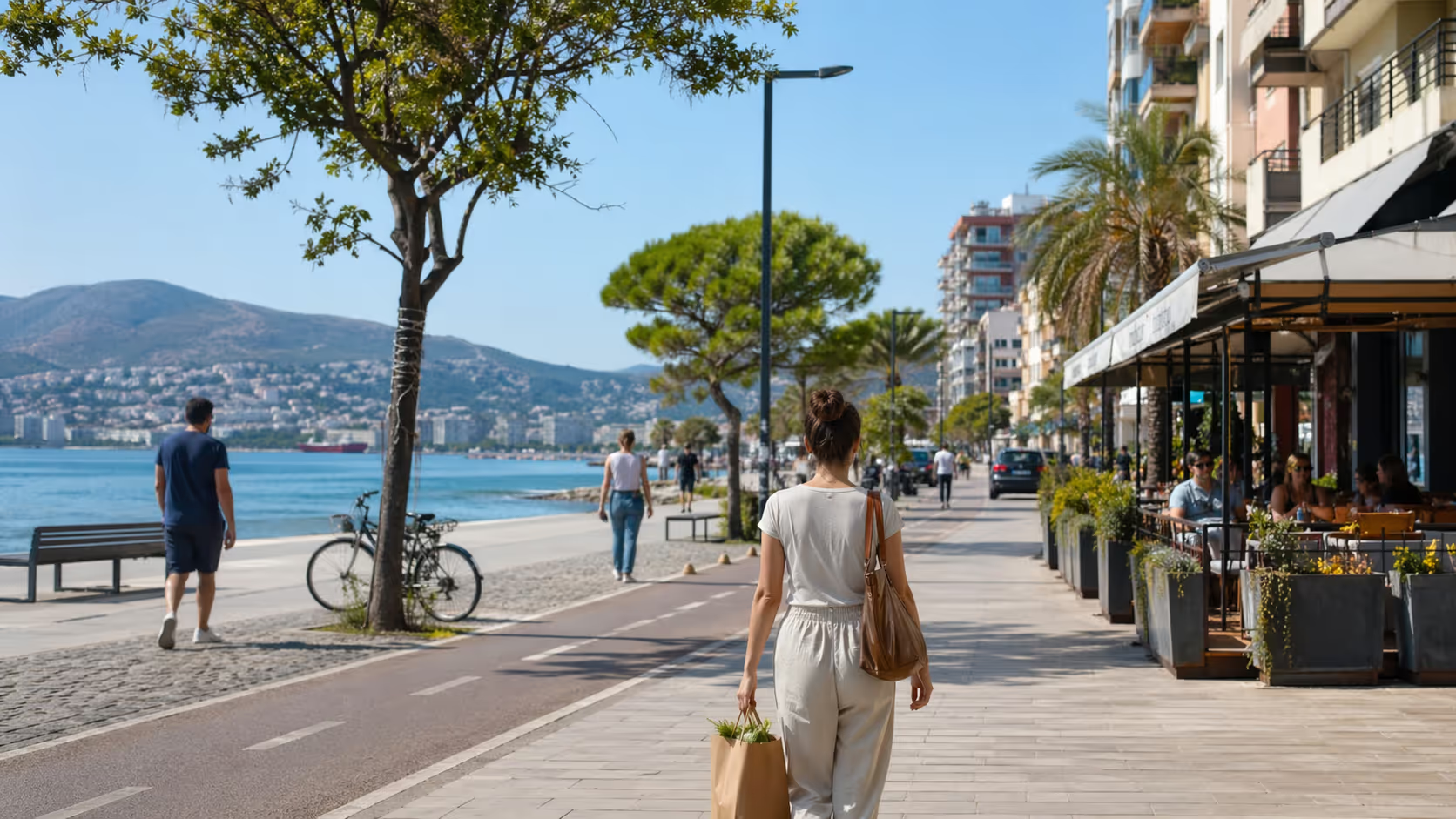
Living near the Adriatic and Ionian coasts brings a massive shift in daily routines. New arrivals often expect a flawless Mediterranean paradise. They see sparkling blue waves along the Lungomare promenade. They assume the city infrastructure matches the natural beauty. The daily reality of living in Albania involves managing outdated utility networks. The city struggles with sudden pipe leaks and heavy winter rains.
These seasonal shifts directly impact the local water supply. During July and August, the population in coastal neighborhoods triples. This places massive pressure on the water treatment plants. Winter storms often cause coastal flooding near the Port of Vlorë. Mud and agricultural runoff can enter the municipal supply easily.
This local context matters for your daily health. You cannot rely on visual clarity alone. Clear water can still carry heavy metals from old pipes. Vlorë has an aging network of underground pipes connecting the main supply to apartment blocks. Many older buildings near Independence Square still use outdated plumbing materials. Heavy metals like lead and copper can leach into stagnant water overnight.
Public municipal water supplies rely on surface sources like rivers or reservoirs. Water treatment plants use chlorination to kill harmful bacteria. Chlorine is highly effective at neutralizing immediate biological threats. The downside is the strong chemical taste and potential chemical byproducts. Reports from the Natural Resources Defense Council show that chemical treatments can leave unwanted residues.
The real issue happens after the water leaves the treatment facility. The water travels through miles of pipes to reach your sink. According to environmental research, infrastructure failures often introduce external contaminants. A famous global example is the crisis in Flint. Pipe corrosion released massive amounts of lead into residential homes.
Albania faces similar infrastructure challenges in developing areas. Recent public health studies estimate significant gastrointestinal illnesses stem from under-regulated tap systems globally. You must assume your apartment building adds contaminants to the municipal water. Run your tap for a full minute every morning to flush out stagnant water. This reduces your exposure to heavy metals sitting in the pipes.
Many expats immediately switch to buying plastic bottles from local markets. The assumption is that factory-sealed plastic guarantees safety. Research from the Natural Resources Defense Council challenges this idea completely. Testing shows that a quarter of all bottled water is simply repackaged municipal tap water. The regulations for bottling plants are often less strict than public municipal standards.
You will see popular Albanian brands stacked outside supermarkets along Rruga Gjergj Kastrioti. Bottled water brands in Albania generally source their products from natural mountain springs. The water inside the bottle starts out incredibly clean. The danger comes from the packaging and the storage process. Sunlight and heat degrade plastic rapidly.
Plastic bottles sit on hot delivery trucks during the Vlorë summer. Chemical compounds called phthalates begin leaching into the water after ten weeks of storage. Phthalates act as hormone disruptors in the human body. Environmental studies confirm that microplastics are present in nearly all major bottled brands. The plastic contamination rate is frequently higher in bottled products than in municipal tap water.
Relying on single-use plastics creates a massive waste problem. The city waste management system struggles to process the summer volume. You will see plastic waste accumulating near neighborhood bins. A lifecycle analysis of plastic shows a heavy environmental cost. You trade potential pipe contaminants for guaranteed microplastic exposure.
You need real data about the water flowing into your specific apartment. Trusting your landlord is not enough. You must test the water yourself. Here is the exact process for evaluating your home water supply.
Filtration is the most reliable strategy for long-term health in Albania. You have two main categories of filtration systems. Point-of-use filters treat water right at the tap or in a pitcher. Point-of-entry systems treat all the water entering your entire apartment. Most renters opt for point-of-use systems to save money and avoid complex plumbing work.
Pitcher filters are the most common entry-level choice. Brands like Brita use activated carbon to absorb impurities. Carbon cuts chlorine taste by up to 95 percent. These pitchers improve the flavor and remove large sediment particles. They do not remove dissolved heavy metals or kill bacteria.
Reverse osmosis systems provide a much higher level of protection. An under-sink reverse osmosis unit pushes water through a semi-permeable membrane. This process removes 90 to 99 percent of heavy metals and nitrates. The World Health Organization recommends this level of filtration for areas with aging infrastructure. These units require professional installation under your kitchen counter.
Ultraviolet light purifiers offer the ultimate biological defense. A UV filter kills 99.9 percent of bacteria and viruses in the water. You install this system alongside a carbon or reverse osmosis filter. This combination handles both chemical pollutants and microscopic pathogens. This setup is highly recommended if you live in older coastal neighborhoods.
Setting up a clean water system requires a financial plan. Prices vary based on the season and the specific vendor. Knowing the standard local rates helps you budget effectively. You will pay for these items in the local currency called Lek.
A standard five-liter plastic bottle of local spring water costs around 150 Lek. A single adult needs roughly three liters of water per day for healthy hydration. Buying large bottles daily will cost you around 2700 Lek every month. This does not include the water needed for cooking or making coffee.
Entry-level carbon pitcher filters are quite affordable. A basic pitcher costs around 3500 Lek at local appliance stores. The replacement carbon cartridges cost roughly 1200 Lek each. You must replace these cartridges every four weeks. Your annual cost for a pitcher system will be around 17900 Lek.
An under-sink reverse osmosis system is a larger initial investment. A quality multi-stage unit costs between 25000 Lek and 40000 Lek. Professional installation by a local plumber will add another 5000 Lek to the bill. Annual replacement filters for these advanced systems cost approximately 8000 Lek. The reverse osmosis setup pays for itself within the first eighteen months.
Water quality is not uniform across the city. Your experience depends heavily on your specific neighborhood and building age. Newer developments generally feature modern plastic piping. Older residential zones still rely on degraded metal infrastructure.
The Lungomare coastal strip features many brand-new apartment towers. These modern buildings use updated internal plumbing materials. The risk of lead leaching is significantly lower here. The main issue along the Lungomare is the summer pressure drop. High tourist demand often leads to low water pressure on upper floors.
The Uji i Ftohtë neighborhood literally translates to cold water. This area is famous for its natural underground springs. Many older villas here have direct access to very clean groundwater. The risk in this neighborhood comes from poor septic tank maintenance. Heavy rains can push surface runoff into local well systems.
Rruga Transballkanike serves as a major residential and commercial artery. Many buildings along this road date back several decades. The municipal pipes in this central zone experience frequent maintenance breaks. You will often notice brown water flowing from the tap after the city repairs a local pipe. Residents here must use heavy-duty pre-filters to catch large sediment.
You need reliable local contacts to maintain your water systems. Big supermarkets like Conad or Spar carry basic pitcher filters and bottled water. For serious filtration hardware, you need specialized plumbing suppliers. There are several reputable businesses clustered near the city center.
HydroSanitar Vlora is located near the main post office. They stock professional reverse osmosis units and replacement membranes. The staff can recommend systems tailored to the local water hardness. Another excellent supplier is Duka Elektrik near the old stadium. They carry a wide range of UV purification lights and carbon block filters.
You will need a skilled professional to install an under-sink system. Ask the hardware store staff for a trusted plumber recommendation. Local plumbers understand the quirks of Albanian apartment construction. They can easily adapt European standard fittings to older Albanian pipes. Always agree on the installation price before the work begins.
Here is a personal tip from our community members. Do not use your filtered drinking water to wash your vegetables. Buy a cheap attachment filter for your main kitchen faucet. Use this partially filtered water for washing dishes and rinsing produce. Save your expensive reverse osmosis water strictly for drinking and making coffee. If you need more daily life hacks for settling in, join the community.
Your daily water habits dictate your long-term health. Never use hot tap water for cooking or making tea. Hot water dissolves contaminants from pipes much faster than cold water. Always fill your pots from the cold tap or your dedicated filter tap.
Bathing and showering present different risks. Your skin absorbs very few chemical contaminants from the municipal supply. The main concern during a shower is inhaling vaporized chlorine. You can buy simple shower head filters that remove heavy chlorine gas. These are inexpensive and highly effective for preventing dry skin and hair damage.
Emergency situations require a different approach entirely. Vlorë occasionally experiences severe winter storms that knock out power and water pressure. You should always keep an emergency reserve in your apartment. Store at least twenty liters of bottled water in a dark closet. Rotate this emergency supply every three months to prevent plastic degradation.
Boiling water is your last resort during an infrastructure failure. A boil water advisory means the municipal treatment plant has failed. Boiling kills bacteria and parasites completely. It does not remove heavy metals or chemical runoff. In fact, boiling concentrates heavy metals by evaporating the water.
Ignoring local water realities can lead to serious health consequences. Many expats brush off the warnings as overly cautious. They assume a strong stomach will protect them from local bacteria. Biological pathogens are only one part of the danger matrix.
According to global health data, continuous exposure to trace heavy metals causes cumulative damage. Lead accumulates in the bones and soft tissues over years. There is no safe level of lead exposure for children or adults. Symptoms of low-level exposure include chronic fatigue and digestive issues. It is easy to mistake these symptoms for general travel exhaustion.
Nitrate pollution is another invisible threat in agricultural regions. Fertilizers from inland farms wash into the river systems. Nitrates interfere with the ability of red blood cells to carry oxygen. This is particularly dangerous for pregnant women and young infants. Boiling water actually makes nitrate contamination worse.
Microplastics from bottled water present a newer area of medical concern. Researchers are still studying the long-term effects of plastic particles in the human bloodstream. Early studies suggest a link to increased inflammation and immune system stress. Filtering your own tap water is the best way to minimize both heavy metals and microplastics.
Understanding water science helps you make informed choices. Contaminants fall into four main categories. Physical contaminants affect the appearance and physical properties of the water. Turbidity is the measure of suspended dirt and rust particles. You can easily see high turbidity when the water looks cloudy or brown.
Chemical contaminants are dissolved substances that you cannot see. This category includes heavy metals, pesticides, and industrial runoff. Chemical pollutants require advanced filtration membranes to remove. They do not change the smell or taste of the water in small doses. Testing is the only way to confirm their presence.
Biological contaminants are living organisms. This group includes bacteria like E. coli, viruses, and parasites like giardia. Municipal chlorination is designed to eliminate these threats. Biological contamination usually happens when pipes break or water pressure drops. A sudden loss of pressure allows dirty groundwater to seep into the pipes.
Radiological contaminants are chemical elements that emit radiation. These are rare in residential water supplies. They usually originate from natural deposits in deep bedrock. Vlorë draws its municipal water mostly from surface rivers and shallow coastal aquifers. Radiological risks are generally very low in this specific region.
Buying bottled water requires some local knowledge. The local markets offer dozens of different brands. Read the labels carefully before making a bulk purchase. Look for water labeled as natural spring water rather than purified table water.
Tepelena is one of the most famous Albanian water brands. It comes from natural cold springs located inland from Vlorë. Spring water contains naturally occurring minerals that improve the taste. Trebeshina is another highly regarded local brand from the southern mountains. Both brands are excellent choices if you must buy bottled water.
Avoid buying water bottles that have been sitting outside the store. Many small corner shops stack their inventory on the sunny sidewalk. Hours of direct Mediterranean sunlight heat the plastic rapidly. This heat accelerates the chemical leaching process. Always reach for the bottles stored deep inside the shaded shop.
Consider buying water in glass bottles for home use. Glass completely eliminates the risk of microplastics and phthalates. Large glass bottles are heavier to carry and slightly more expensive. They offer the safest storage method for high-quality spring water. Many local cafes serve mineral water exclusively in glass bottles for this reason.
Many newcomers make errors when evaluating their apartment water supply. A common mistake is relying purely on a digital TDS meter. Total Dissolved Solids meters measure the electrical conductivity of the water. They tell you the total amount of dissolved minerals. They do not tell you if those minerals are healthy calcium or toxic lead.
Another frequent error is testing the water only once per year. The water quality in Vlorë fluctuates wildly between August and January. Summer droughts concentrate pollutants in the river sources. Winter floods stir up agricultural sediment. You need seasonal data points to understand your true risk profile.
People often assume that clear water is safe water. Dissolved lead and chemical pesticides are completely invisible. They have no taste or smell. You cannot trust your senses to detect modern industrial pollutants. Relying on visual clarity provides a false sense of security.
Finally, renters often fail to check the building storage tanks. Many apartment buildings use rooftop or basement tanks to maintain pressure. If the building manager does not clean these tanks regularly, bacteria will multiply. Ask your landlord for the tank maintenance schedule before signing a lease.
The journey of your tap water begins far outside the city limits. The Vjosë River acts as a massive natural watershed for the southern region. The water is naturally clean as it flows through the inland mountains. As it approaches the coastal plains, it picks up agricultural runoff. Farmers use fertilizers that eventually wash into the groundwater.
The municipal treatment plant intercepts this water before it reaches the city. Engineers apply chlorine gas to disinfect the supply. They use sand filters to remove large physical debris. The Albanian government has invested heavily in upgrading these main facilities. The water leaving the plant usually meets basic European safety standards.
The degradation happens entirely in the distribution network. The city relies on a patchwork of old pipes and new additions. Earthquakes and minor seismic tremors frequently crack the underground lines. These hidden cracks allow outside soil and sewage to enter the clean water pipes. The pressure drops, and contamination occurs silently underground.
Your apartment building is the final stage of the journey. The internal plumbing is the responsibility of the building owner, not the city. A brand new treatment plant cannot fix old, corroded pipes inside a residential tower. You must take personal responsibility for the final filtration step at your kitchen sink.
Summer in Vlorë requires a completely different hydration strategy. The coastal temperature regularly exceeds thirty-five degrees Celsius. Your body needs significantly more water to regulate its temperature. You cannot rely on sugary drinks or iced coffees for proper hydration. Clean water becomes a daily logistical challenge.
The municipal water pressure drops significantly during peak tourist season. You might turn on your tap at noon and get nothing but a trickle. This happens because thousands of hotels and apartments are drawing water simultaneously. You must filter and store your daily drinking water early in the morning. Fill your glass pitchers before eight o'clock when the pressure is highest.
Do not leave your filtered water sitting in direct sunlight. Sunlight promotes algae growth in unchlorinated water. Keep your filtered pitchers inside the refrigerator. If you use a countertop dispenser, place it in a dark corner of the kitchen. Clean your pitchers weekly with hot soapy water to prevent bacterial buildup.
Summer is also the time when bottled water risks are highest. Supermarket deliveries sit on hot asphalt for hours. The plastic degrades much faster in the July heat. If you must buy bottled water, buy it early in the day. Inspect the bottles for any warping or strange smells before opening them.
Your hydration setup requires regular maintenance and review. A filter is only effective if you change the cartridges on schedule. Set a recurring reminder on your phone for filter replacements. Mark your calendar to retest your tap water every October and April.
When to revisit this resource depends on your living situation. Check back here before signing a new apartment lease. Review these filtration steps if you experience sudden skin irritation or digestive issues. You will need this guide again when preparing your home for the busy summer season. Safe hydration is a daily commitment that protects your health and improves your coastal life.
Follow Vlore Circle for fresh guides, local updates, and community notes around life in Vlorë. It is the easiest way to stay close to what we are building.

Be part of a growing community built around connection, local life, and a better experience of Vlorë.
join the circle