Representative image

Vlorë features diverse residential areas that cater to seasonal tourists, remote workers, and long-term residents looking for affordable coastal living in Albania.





Choosing a neighborhood in Vlorë means balancing seasonal coastal energy with long-term local stability. We will review the main living zones, outline expected costs, and explain the practical realities of daily life in this coastal Albanian city. The best neighborhood depends entirely on your daily routine and timeline. Beachfront areas offer summer excitement but face quiet winters. Inland zones like Partizani provide year-round stability at a much lower cost.
Vlorë is a rapidly changing city undergoing heavy development. It is transforming from a traditional port town into a destination for remote workers and retirees. Understanding the city layout prevents new arrivals from making costly rental mistakes. Many newcomers assume they want a beachfront sea view. They quickly realize the inland areas often offer better daily convenience and lower living costs. The population of Vlorë County hovers around 146,000 people. It remains a major hub in southern Albania. Integrating into this environment requires local knowledge.
Vlorë features a distinct geography that splits the city into three main zones. The first zone includes the beachfront strips stretching along the Adriatic Sea. The second zone is the historic urban core located slightly inland. The third zone contains the peripheral residential hills rising behind the city. Each area serves a completely different lifestyle and budget.
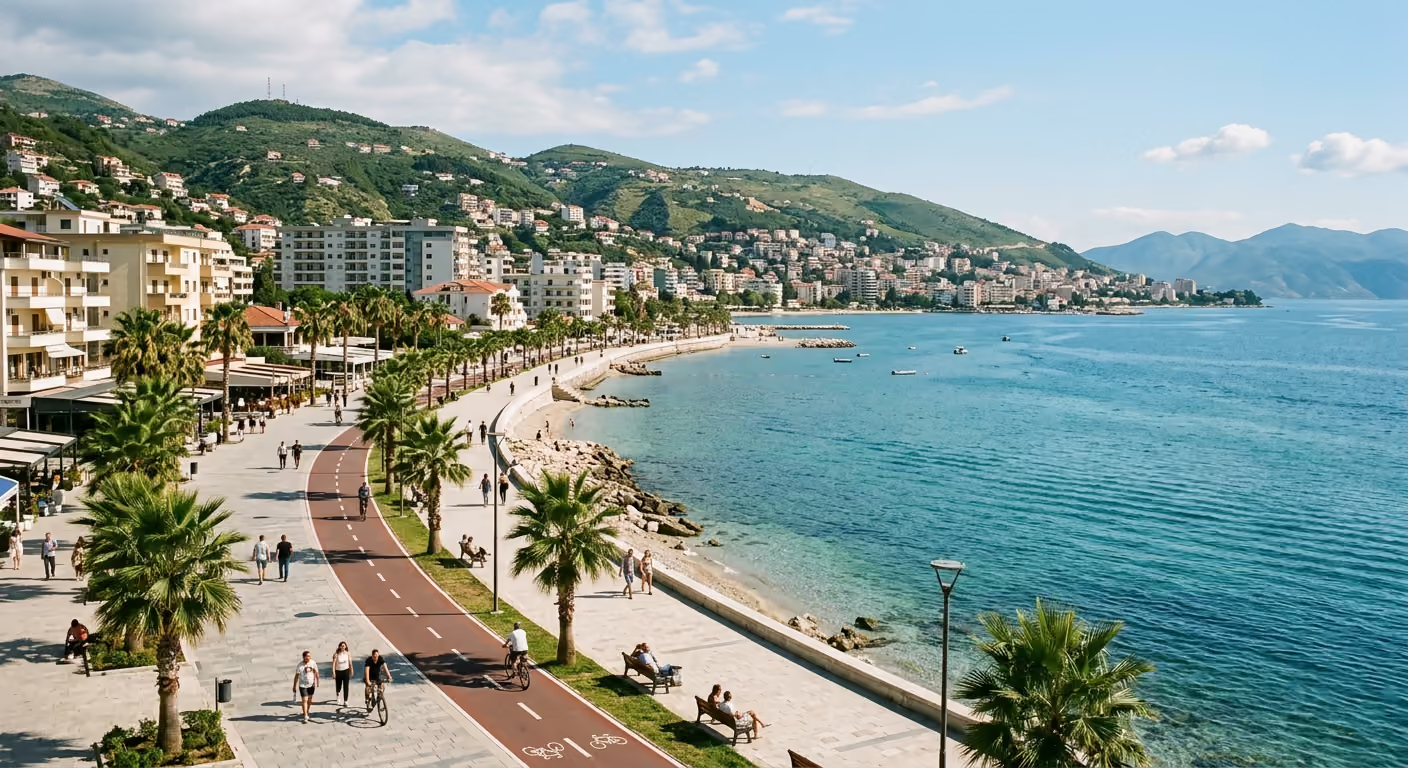
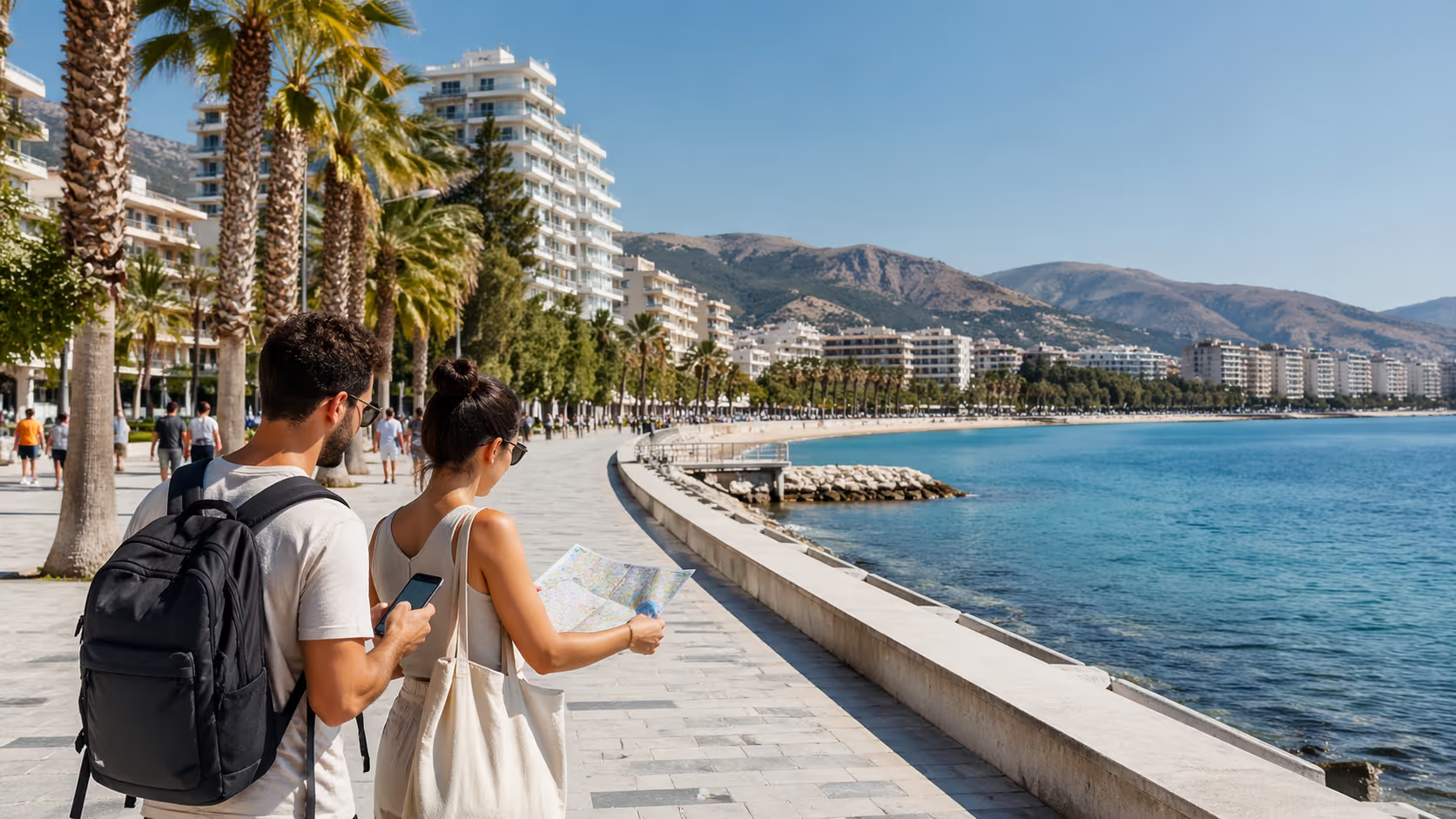
The beachfront areas focus heavily on tourism and seasonal visitors. These neighborhoods follow the famous Lungomare promenade southward. They feature modern high-rise apartments, cafes, and direct access to rocky beaches. Life here revolves around the water. Rents peak during the hot summer months.
The historic core sits on flat ground near the city center. This area blends renovated Ottoman-era architecture with mid-century apartment blocks. It serves as the administrative heart of the city. You will find major banks, government offices, and local markets here. It is highly walkable and less dependent on seasonal tourism.
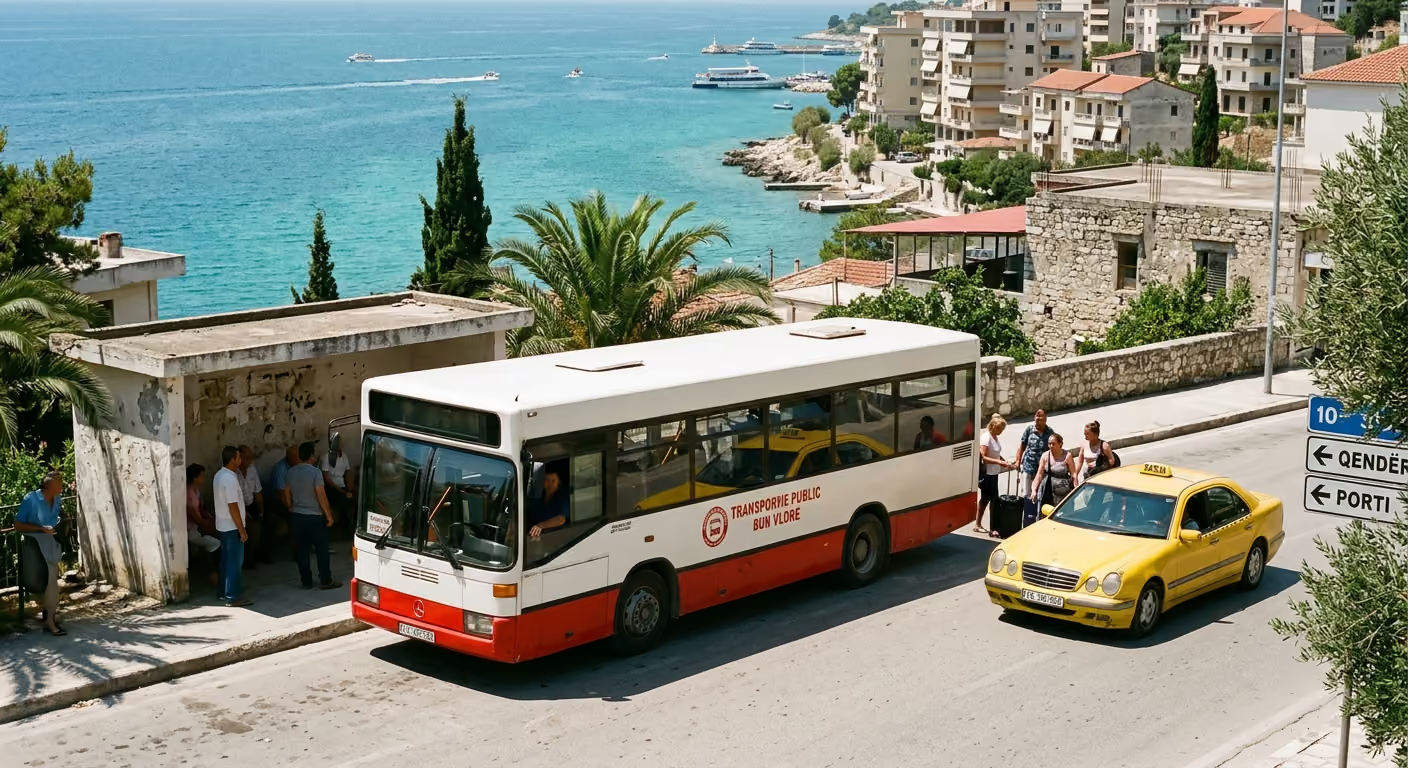
The peripheral residential neighborhoods sit on the hillsides overlooking the water. Areas like Partizani cater almost exclusively to local families. These neighborhoods offer older housing stock and lower rental prices. They require navigating steep streets. Public transport connects these hills to the city center.
Many internet searches for Albanian real estate lead to a confusing geographical error. Newcomers often search for an area called Zogu i Zi expecting to find it in Vlorë. Zogu i Zi is actually a very famous neighborhood located in Tirana. It does not exist in Vlorë at all. Do not book apartment viewings for Zogu i Zi thinking you will be near the Vlorë beach.
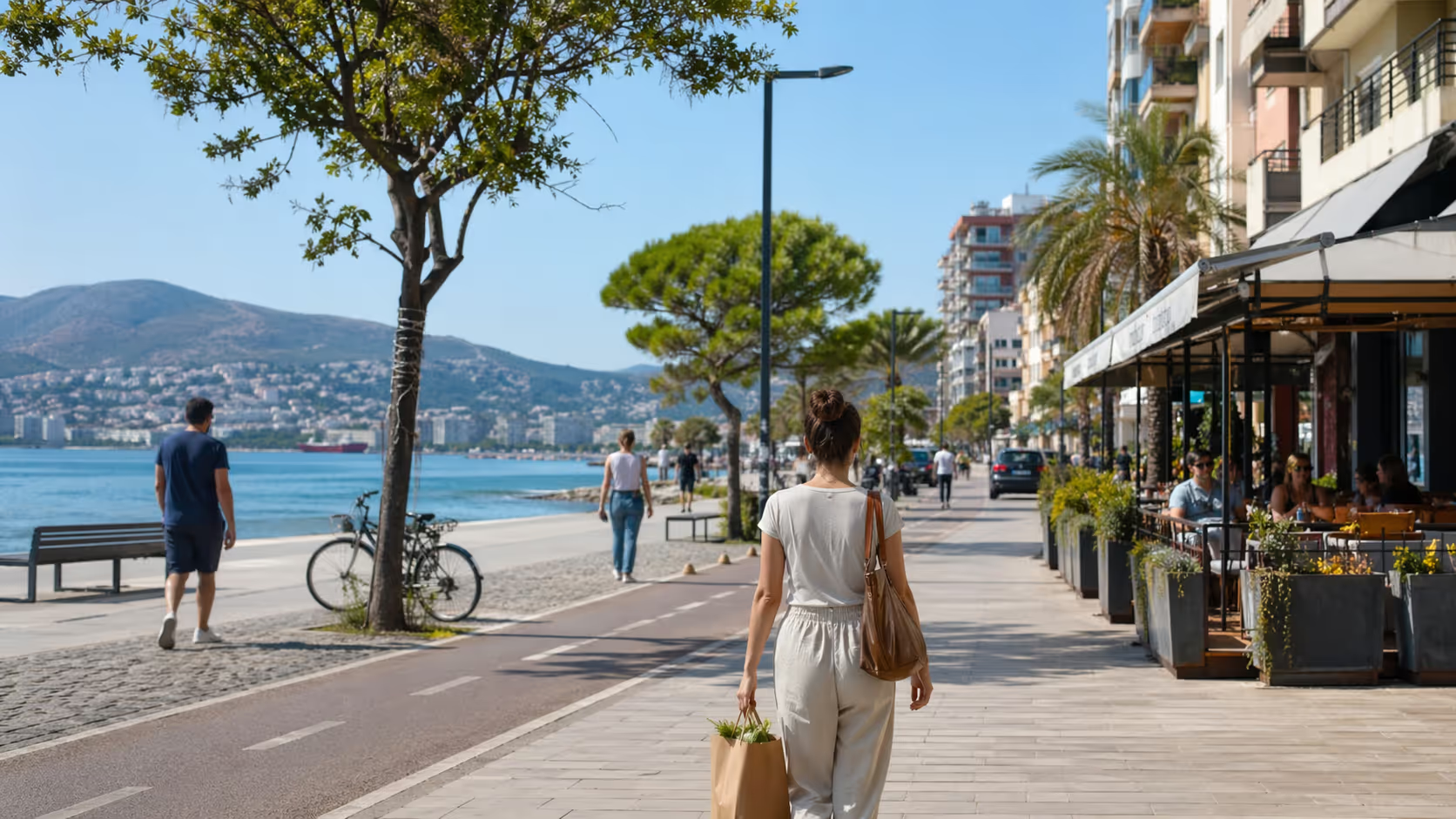
The Lungomare and Uji i Ftohtë neighborhoods define the modern Vlorë coastal experience. The Lungomare is a long pedestrian promenade stretching for kilometers along the sea. This area features wide sidewalks, bike lanes, and endless rows of palm trees. New high-rise apartment buildings line the street facing the water. The architecture is modern and highly standardized.
Living along the Lungomare means immediate access to the sea. You can walk out of your apartment and reach a beach chair in two minutes. The area offers hundreds of cafes, seafood restaurants, and modern grocery stores. High-speed internet is standard in these new buildings. Many digital nomads prefer this zone for the modern amenities and ocean views.
The summer months bring a massive influx of tourists to this strip. The noise levels rise significantly in July and August. Traffic crawls along the main coastal road. Finding a parking spot becomes a daily challenge. Open windows let in loud music from nearby beach clubs late into the night.
The winter reality in Uji i Ftohtë is drastically different. The crowds disappear completely by late October. Many restaurants and cafes board up their windows until May. The strong sea winds make the promenade very cold. Winter storms occasionally cause temporary power outages in these exposed coastal buildings.
Despite the seasonal shifts, this area remains the top choice for short-term stays. You get the best views and the newest apartments. If you plan to stay long-term, you must prepare for the quiet winter months. Join the community to find social events when the tourist crowds leave.
The Old Town neighborhood sits inland from the port and centers around the Qendra. This area features flat streets and a high concentration of historical monuments. The 1912 Independence Memorial Square marks the heart of this district. Daily life here feels completely disconnected from the beach resort atmosphere. Locals go about their business year-round regardless of the tourist season.
This neighborhood is rich in cultural heritage. You can visit the Muradie Mosque, a prominent Ottoman-era structure. The area also features a deep Jewish history. Vlorë was the center of Jewish life in Albania before World War II. A 1928 Jewish community building still stands under state protection. You can walk down the Street of the Jews and read the commemorative plaques.
Walking through the Old Town reveals a sharp contrast in urban development. The central squares are highly polished and beautifully renovated. The outer edges of the neighborhood feature many run-down buildings and crumbling facades. Traffic congestion is a daily issue on the narrow one-way streets. Parking is limited for residents living in older buildings without garages.
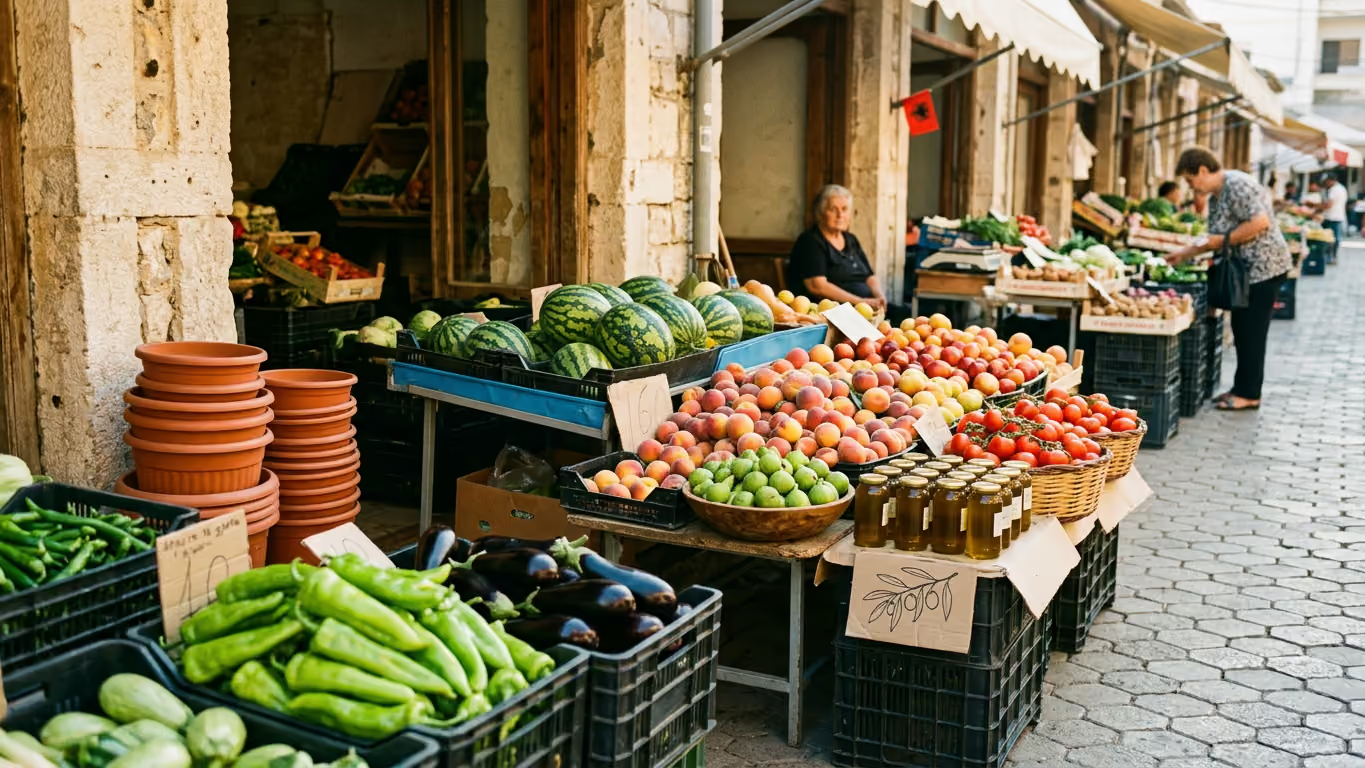
Living in the historic core puts you within walking distance of daily necessities. Fresh produce markets operate daily in the side streets. The main city buses all pass through the central square. You do not need a car to live comfortably in this neighborhood. Rents here offer a middle ground between the expensive beachfront and the cheap hillsides.
The housing stock in the Old Town varies wildly. You might find a beautifully renovated apartment inside an older, unmaintained building. Many older buildings lack modern insulation or elevators. You must inspect the building exterior and stairwells before signing a lease.
The Partizani neighborhood sits on the hills behind the main city. It is a strictly residential area catering to local Albanian families. The streets wind upward away from the busy commercial zones. This neighborhood offers a very authentic look at daily life in southern Albania. You will rarely see tourists walking these streets.
Affordability is the primary draw for the Partizani area. Rents here are significantly lower than anywhere near the water. You can rent a large, multi-bedroom apartment for the price of a small beachfront studio. Local shops and bakeries offer lower prices than the tourist-facing stores.
This neighborhood surrounds the Vlorë Regional Hospital. Proximity to major healthcare facilities is a massive benefit for retirees and families. Pharmacies and small medical clinics line the streets near the hospital. The area provides easy access to the main SH8 highway leading out of the city.
Living on the hillside comes with specific environmental risks. The dry Mediterranean summers create a high fire hazard in the surrounding brush. A major brush fire in August 2022 threatened homes in Partizani just meters from the hospital. Local news reports highlighted the vulnerability of these hillside properties during dry periods. You must assess the surrounding vegetation when renting or buying here.
Transportation is another challenge in Partizani. The uphill walk from the city center is steep and tiring. Local city buses run routes up the hill, but the schedule is sometimes irregular. Most residents rely on personal cars to get groceries and commute. If you have mobility issues, this neighborhood is likely not a good fit.
Understanding local pricing helps you set a realistic budget. Albania uses the Lek (ALL) as its official currency. One hundred Lek roughly equals one Euro or one US Dollar. Prices fluctuate based on the neighborhood and the time of year. Vlorë is generally cheaper than Tirana but more expensive than rural Albanian towns.
Rent is your largest monthly expense. A modern one-bedroom apartment on the Lungomare costs between 50,000 and 80,000 ALL per month. The same sized apartment in the Old Town drops to around 40,000 to 55,000 ALL per month. Moving up into Partizani lowers the rent to between 30,000 and 45,000 ALL per month. Landlords heavily discount long-term leases compared to month-to-month summer rentals.
Utility costs require careful management. A standard monthly utility bill covering electricity and water averages 8,000 ALL. Internet packages from providers like Vodafone cost roughly 2,000 ALL per month. Your electricity bill will spike dramatically in the winter and mid-summer. Most homes rely on energy-heavy air conditioning units for both cooling and heating.
Daily groceries and dining out remain highly affordable. A coffee at a local neighborhood cafe costs about 100 ALL. A full meal at a mid-range traditional restaurant runs between 1,000 and 1,500 ALL per person. Shopping at local open-air markets keeps grocery costs low. Expect to spend roughly 20,000 ALL per person per month on groceries if you cook at home.
You must budget for hidden building fees. Many modern apartment complexes charge a monthly maintenance fee. This fee covers elevator maintenance, hallway lighting, and common area cleaning. These fees usually range from 1,500 to 3,000 ALL per month. Always ask the landlord to state this fee clearly before you sign a lease.
Social media often paints a highly romanticized picture of Albanian coastal life. Videos show endless sunny days, cheap wine, and beautiful empty beaches. The reality of living in Vlorë year-round requires patience and adaptability. The transition from tourist to resident brings many practical challenges to the surface.
Albanian bureaucracy moves at its own distinct pace. Simple tasks like opening a bank account take multiple visits. Customer service norms differ greatly from North American or Northern European standards. You will frequently encounter unwritten rules when dealing with local utility companies. Getting things done requires a polite smile and immense patience.
Winter living presents the biggest reality check for newcomers. The romantic sea view means nothing if you are shivering inside your apartment. Never rent an apartment long-term without spending time inside it during the winter months. Poor insulation is a common issue in both old and new buildings. You will likely rely on heavy blankets and space heaters from December to March.
The off-season isolation hits many remote workers hard. The bustling summer cafes close down completely. The expatriate community shrinks as seasonal visitors return home. You must actively work to build a local social network. Learning a few phrases of the Albanian language helps immensely with neighborhood integration.
Building a routine is the key to surviving the quiet months. Find a year-round cafe in the Old Town. Shop at the same local produce vendor every week. Familiar faces make the city feel like a true home. Join the community to meet other full-time residents facing the exact same daily realities.
Finding a reliable long-term rental requires a structured approach. Never rent an apartment sight unseen from another country. Photographs hide poor plumbing, street noise, and bad building management. The best rental deals happen on the ground through personal connections and local agents. Follow a strict process to protect your money.
Dealing with landlords requires clear communication. Many property owners prefer rent paid in cash in Euros rather than Albanian Lek. Clarify the exact currency and payment method on day one. Make sure you receive a written receipt for every single cash payment you make.
Inspect the apartment thoroughly before handing over the security deposit. Turn on all the faucets to check the water pressure. Open and close every window to test the seals. Verify the internet speed with a speed test app on your phone. Document any existing damage with photographs and email them to the landlord immediately.
Navigating a new city requires knowing where to find reliable help. Vlorë has a functioning network of municipal and private services. You just need to know exactly where to look. Keep a list of physical locations and service providers handy. Relying on Google Maps alone will sometimes lead you to outdated addresses.
The Vlorë Municipality building is your primary stop for official city business. It is located right near Independence Square in the Old Town. You will go here for local tax inquiries and civic registrations. The staff is helpful, but English speakers are not always available at the front desk. Bring an Albanian-speaking friend if you need to resolve complex paperwork.
Healthcare needs are split between public and private options. The Vlorë Regional Hospital in the Partizani neighborhood handles major emergencies. It operates 24 hours a day. For routine checkups or minor issues, many expats use private clinics located near the city center. These private clinics offer modern facilities and English-speaking doctors for a reasonable out-of-pocket fee.
Setting up your home requires reliable telecommunications. Vodafone and ALBtelecom operate large storefronts on the main commercial streets. Walk into a main branch to set up your home fiber internet or buy a local SIM card. Bring your passport and your notarized rental contract to set up a home internet account.
Community support is your final necessary resource. Facebook groups and local community platforms offer incredible on-the-ground knowledge. You can find recommendations for reliable plumbers, electricians, and moving companies. Talk to people who have lived in the city for multiple years. Join the community to access trusted local contacts and skip the trial-and-error phase of relocation.
Is Vlorë safe for solo female travelers and residents?
Yes. Vlorë is extremely safe for solo female residents. Violent crime is exceptionally rare in the city. General urban precautions apply, like watching your bags in crowded summer areas. The culture is highly family-oriented and respectful toward women walking alone at night.
Can I live in Vlorë comfortably without owning a car?
Yes, if you choose the right neighborhood. Living in the Old Town or along the Lungomare allows you to walk to grocery stores, banks, and cafes. You will only need a car if you rent a house in the steep hillside neighborhoods like Partizani. Taxis are cheap and readily available for occasional longer trips.
Is the tap water safe to drink in the neighborhoods?
Most local residents do not drink water straight from the tap. The water is generally safe for brushing teeth and boiling pasta. Heavy mineral content makes it unpleasant to drink daily. Most households buy large five-liter bottled water from the supermarket or install heavy reverse-osmosis filters under the sink.
How do I handle the frequent power outages?
Power outages happen during heavy winter rainstorms. They usually last anywhere from ten minutes to a few hours. Keep flashlights and a charged power bank ready. If you work remotely, buy an uninterruptible power supply for your router. Your internet will stay connected even when the neighborhood lights go out.
Follow Vlore Circle for fresh guides, local updates, and community notes around life in Vlorë. It is the easiest way to stay close to what we are building.

Be part of a growing community built around connection, local life, and a better experience of Vlorë.
join the circle