Representative image

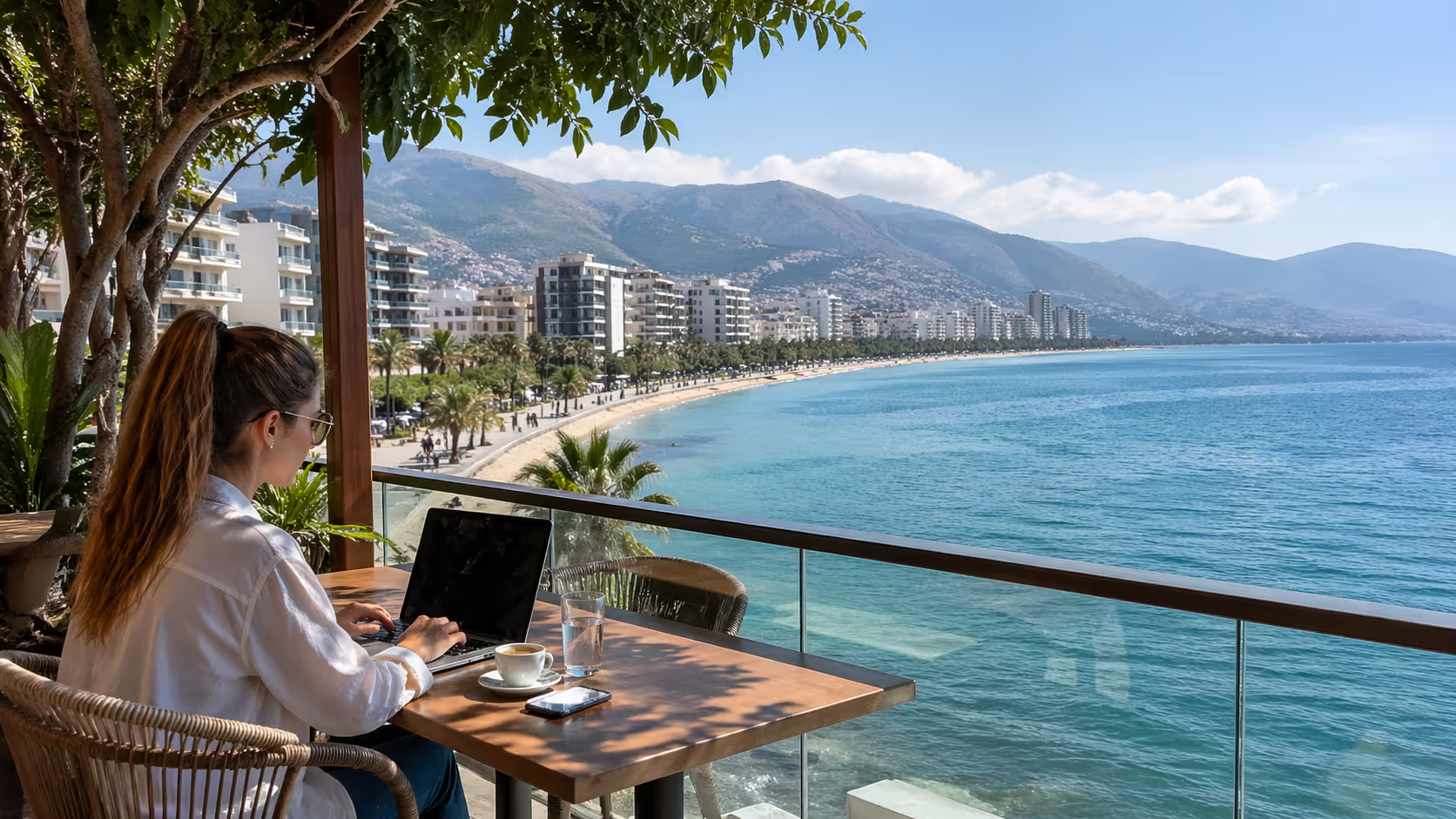
Sipping morning espresso at a quiet seafront cafe sets the tone for a productive day of remote work along the Albanian Riviera.





You wake up to the sound of seagulls and step out onto your balcony. The Ionian Sea stretches out in front of your quiet coastal apartment. For remote workers, Vlorë offers a balanced coastal lifestyle with reliable early morning productivity, midday beach breaks, and affordable living. This mid-sized port city gives you the space to finish your projects without the extreme costs of Western Europe.
The Albanian Riviera attracts people who want a slower pace of life. Vlorë has a population of roughly 130,000 people. It sits right where the Adriatic Sea meets the Ionian Sea. This unique geography provides long beaches, mountain views, and fresh sea air. The city acts as a testing ground for digital nomads who want comfort without strict bureaucracy.
A major draw for many foreigners is the generous visa policy. Most nationalities get a 90-day visa-free entry right at the border. United States citizens get up to one full year upon arrival with no paperwork. This allows you to plan a three-month test stay very easily. You can land at the airport in Tirana, take a two-hour bus down the coast, and start working the next morning.
The local lifestyle naturally supports a healthy routine. The local culture revolves around long coffee breaks, evening walks, and fresh food. You are forced to slow down and match the local rhythm. This setup creates what some call a balanced productivity triangle. It combines workspace reliability, simple community building, and total lifestyle immersion to keep you motivated.
Living here feels very different from working in massive hubs like Chiang Mai or Lisbon. You will not find endless networking events or huge conferences. You will find a quiet space to focus on your laptop. Many remote workers come here specifically to escape the loud distractions of bigger tech cities.
The city changes completely during the off-season months. October through April brings cooler weather, empty beaches, and a very quiet atmosphere. Rents drop significantly during this period. Many restaurants close their doors, but bakeries and local cafes stay open to serve residents. This is the absolute best time for deep, uninterrupted work periods.
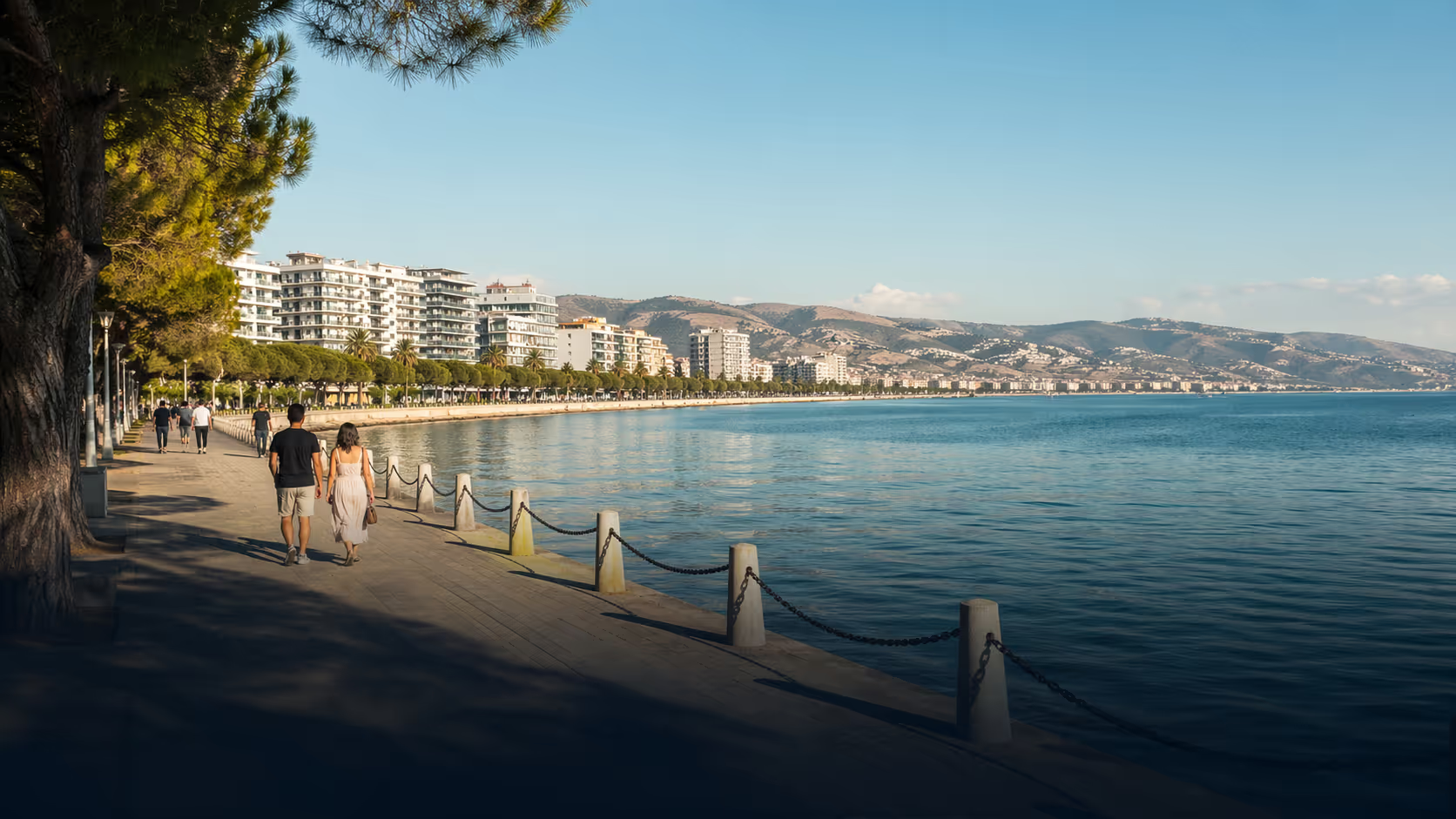
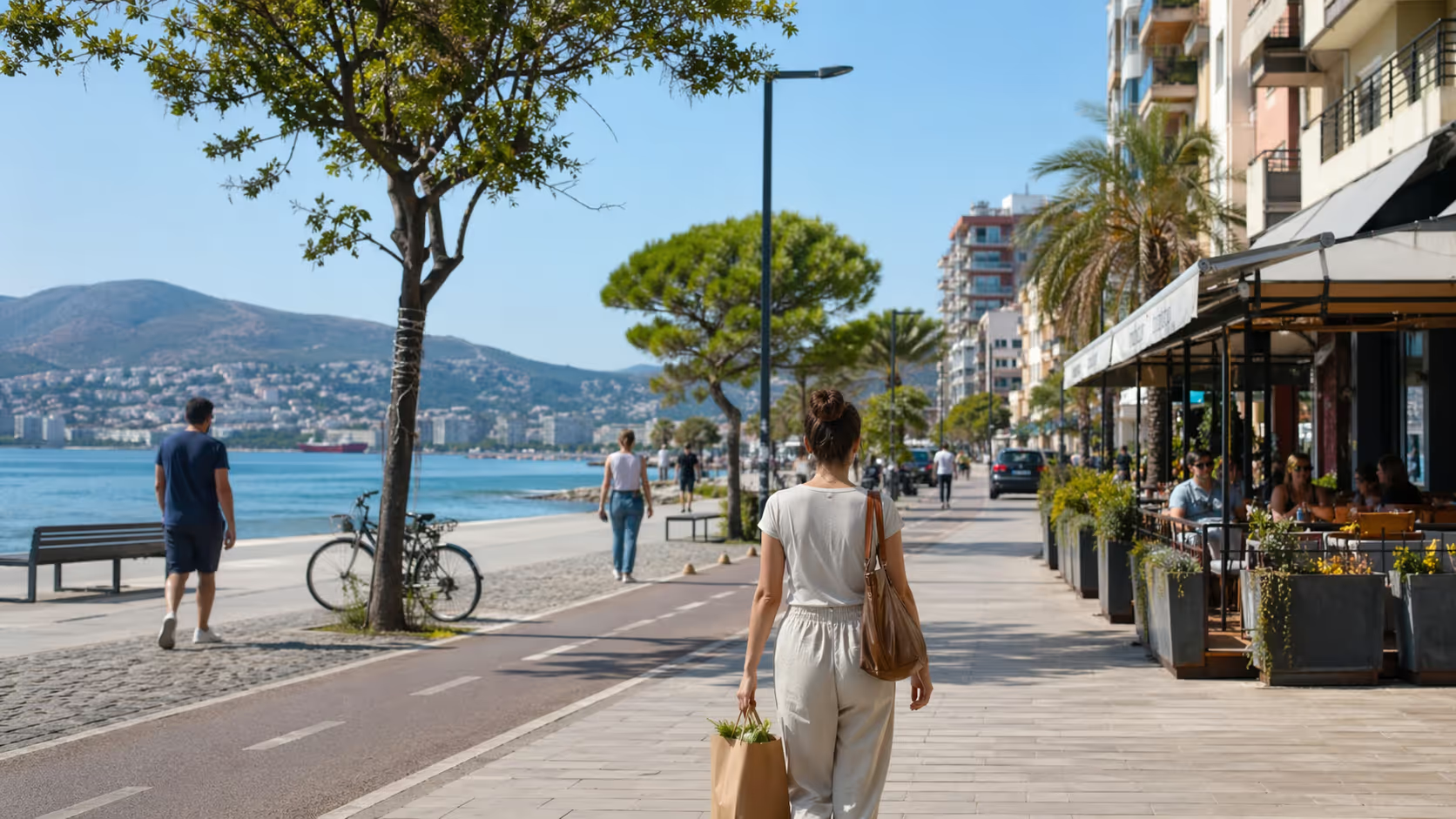
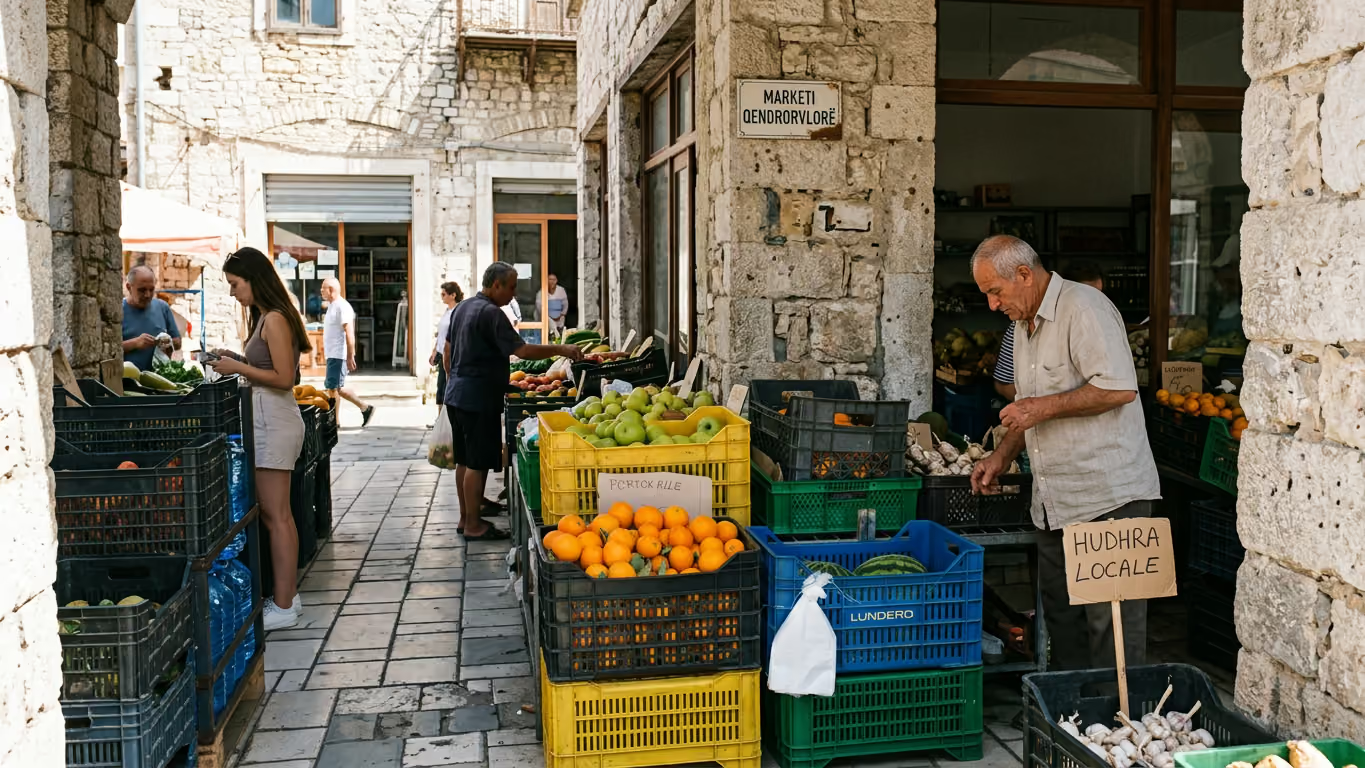
Remote workers often adopt an early morning routine to maximize daylight hours. A typical day might start between 6:00 AM and 8:00 AM. You can take a brisk seafront run along the empty Lungomare promenade without dodging tourists. On your walk back, you buy a fresh loaf of bread and local farm eggs from a corner vendor. This simple morning habit grounds you in the community.
From 8:00 AM to 12:00 PM, you move into deep work. You might walk to Vlora Coworking and grab a desk near the window. The space is usually very quiet during the winter. You plug your laptop in, connect to the fast WiFi, and knock out your hardest tasks. The lack of social distractions makes these four hours highly productive.
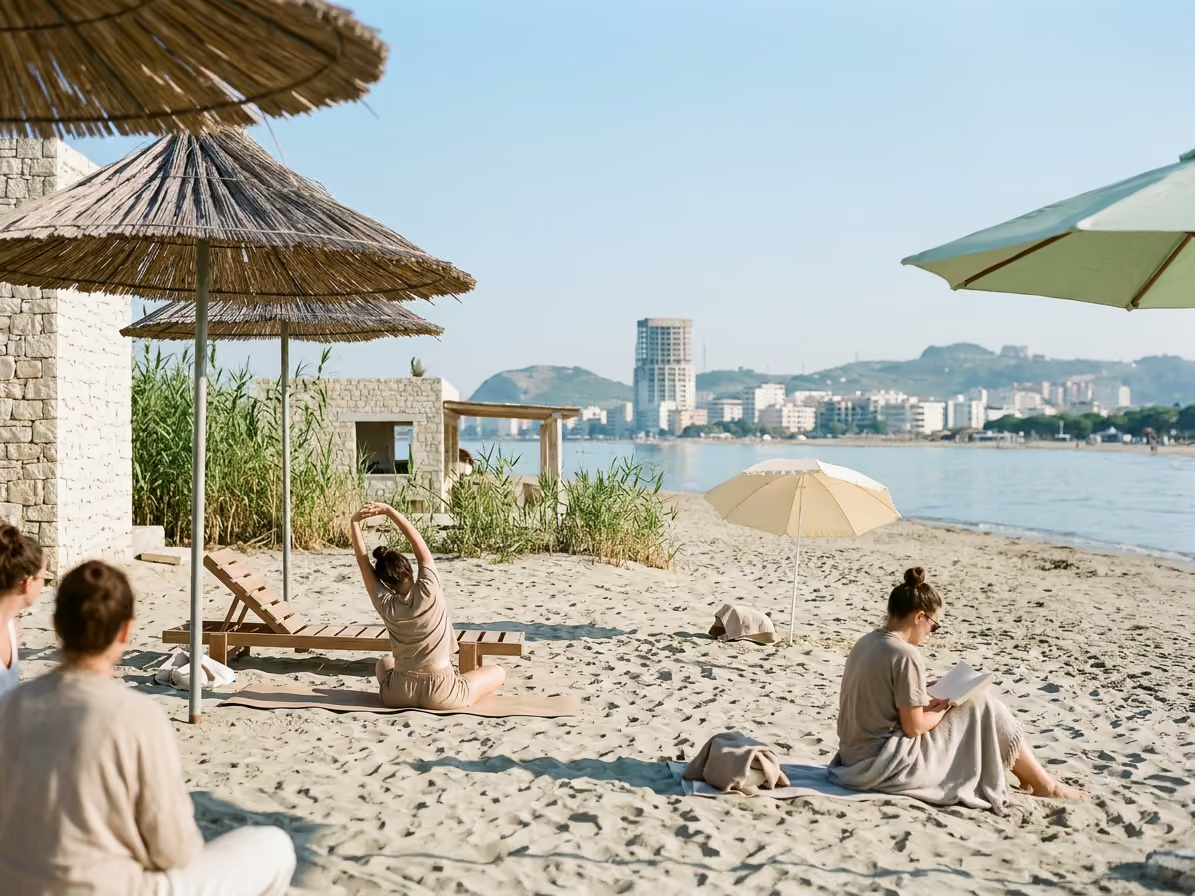
The midday break happens between 12:00 PM and 2:00 PM. You close the laptop and step outside for a mental reset. A long walk along the beach helps clear your head. You might stop at a local taverna for a cheap seafood lunch costing around $5 to $10. Fresh fish, olive oil, and some lemon make for a light midday meal.
Afternoons are perfect for lighter tasks and calling clients. From 2:00 PM to 5:00 PM, you move to a comfortable cafe. Mon Cheri or Broadway are popular spots with soft seats and decent music. You order an espresso, plug your headphones in, and handle emails. You might bump into one or two other foreign workers doing the exact same thing.
The evening shifts into personal time and exercise. At 5:00 PM, you pack your bags and head to a local gym to lift weights. By 7:00 PM, you are ready to unwind completely. You can grab a drink at a quiet bar, watch the sunset over the water, or head home to cook dinner. The low season is peaceful, simple, and incredibly productive.
Summer changes the entire personality of the coast. The population swells as tourists from across Europe arrive for their holidays. Temperatures climb very high, and the streets fill with music, cars, and people. Working during the high season requires a totally different strategy. You must adapt your routine to beat the heat and avoid massive crowds.
Your day should start even earlier during the hot months. Waking up at 6:00 AM allows you to enjoy the cool breeze. This is the only time the main beaches feel peaceful. Many remote workers schedule their ocean swims right away. Getting into the cold water before 8:00 AM is a perfect mental boost for a long workday.
By 9:00 AM, the heat starts to rise, and you should move indoors. You can work from your air-conditioned apartment until lunchtime. High-speed home internet is extremely valuable during the summer. You avoid the loud traffic noise outside by keeping your balcony doors shut. These morning hours are dedicated to extreme focus and creative writing.
The midday period is an intense sensory experience outside. You might step out at 1:00 PM to grab a quick lunch nearby. The cafes are loud, full of families, and bright with sunlight. You can work for an hour at a beachside table if you find true shade. The glare on your screen might be annoying, but the festive atmosphere is highly energizing.
Late afternoons involve taking a long break from screens. A traditional siesta is very common here during the peak summer heat. You can rest, read a book, or take a nap between 3:00 PM and 5:00 PM. Working late becomes a better option as the evening cools down. You handle your final client calls from your balcony as the sun sets.
The nightlife is loud and goes on until early morning. If you finish your tasks by 8:00 PM, you can head out to the bustling clubs or late-night restaurants. This schedule forces you to sleep in chunks or adapt to very late nights. It is chaotic, fun, and completely different from the quiet winter experience.
If your team is based in North America, your whole life shifts backward. Albania is six hours ahead of Eastern Standard Time. This massive time gap requires a split schedule to maintain communication with your colleagues. You get your mornings completely free, but your evenings are sacrificed to video meetings. It is a strange rhythm that requires strict boundaries.
Your morning belongs totally to you. From 8:00 AM to 1:00 PM, no one from your office will bother you. You can go to the gym, swim in the sea, or take a slow walk through the Old Town. You can go grocery shopping when the markets are fully stocked and completely empty. This free time feels like a mini weekend every single morning.
Your workday truly begins at 2:00 PM local time. You can start by reviewing emails that arrived overnight. You spend the next few hours doing solo work at a local cafe. Around 5:00 PM, your team in New York or Chicago starts waking up and logging on. You must retreat to your apartment at this point.
From 6:00 PM to 10:00 PM, you handle live meetings and team coordination. A quiet room and a strong WiFi connection are mandatory for this block of time. You eat dinner at your desk or order a quick delivery meal. Once the clock hits 10:00 PM, you shut the laptop down immediately. You can still catch a late drink, but your social life takes a small hit with this setup.
A smooth work experience depends entirely on your daily setup. Albania has made massive improvements to its digital infrastructure recently. You can find very fast internet if you know what to ask for. Setting up properly on day one will save you massive headaches during an important client call. The process is straightforward but requires some local knowledge.
Here is the exact way to build a reliable workstation in the city:
Power outages are rare but they do happen occasionally. Heavy rainstorms in the winter can disrupt the grid for a few hours. Your mobile hotspot becomes your absolute lifeline during these moments. Having a fully charged laptop battery every single morning is a very smart habit. Always expect a minor tech bump and plan around it.
Your budget will determine exactly how you experience the city. The cost of living here is among the lowest in all of Europe. A person can live a basic lifestyle for very little money. A higher budget buys you incredible coastal luxury. Knowing the numbers helps you set realistic expectations before booking your flight.
A budget worker can manage on roughly $20 per day. At this level, you rent a modest inland apartment for about $300 a month. These apartments are perfectly fine but require a long walk to reach the water. You will buy all your fresh vegetables and eggs from street vendors. You cook nearly every single meal in your own kitchen.
Your entertainment budget stays very low on this tier. You spend $1 on an espresso at a simple neighborhood cafe to use their WiFi. You take free walks along the coastline for exercise. You rarely drink alcohol or eat at expensive tourist restaurants. This frugal approach allows you to extend your travel runway for many months.
A standard mid-range lifestyle costs roughly $50 per day to maintain. You can secure a nice one-bedroom apartment near the promenade for $450 to $600 a month. This gives you walking access to the best cafes and grocery stores. You might spend $100 to $150 a month for a dedicated desk at Vlora Coworking.
Food becomes a mix of cooking and dining out. You can budget $250 a month for groceries and another $150 for restaurants. You eat out for lunch twice a week to enjoy the fresh seafood catch. You take out a local gym membership for around $30 a month. This tier represents a highly comfortable life with very little stress over daily expenses.
Premium spenders use about $80 or more per day. They rent large luxury apartments with huge balconies and direct sea views for $800 a month. They turn their spare bedroom into a private, air-conditioned home office. They buy the fastest internet packages available from the local providers. They pay for premium gym access and daily house cleaning services.
On this budget, you rarely cook your own food. You dine at high-end Italian fusion restaurants along the Lungomare most nights. You rent cars on the weekend to tour isolated mountain villages. You never worry about the price of a taxi or a mixed drink at the club. Even at this premium tier, the total cost remains far lower than life in London or New York.
Managing money requires a mix of cards and cash. You should always carry physical lek in your wallet. One Euro currently equals roughly 100 to 110 LEK at local exchange shops. Small bakeries, street vendors, and independent cafes operate as cash-only businesses. Finding a local ATM with low withdrawal fees is a great first-week task.
The romantic idea of remote work often clashes with the daily reality. The internet loves to show photos of happy people working on sunny beaches. The reality of working from this city is far more grounded. You need to understand the limitations of the area to avoid feeling severe disappointment.
There is no massive, thriving nomad community here yet. Cities like Chiang Mai have thousands of foreign workers meeting every day. Vlorë has a very small, quiet group of remote workers floating around. You will not find weekly tech meetups or large networking events. Sometimes you will be the only person sitting in the coworking space.
Isolation is a very real threat during the winter months. You must be comfortable with intense solitude and long quiet periods. You might go an entire weekend without having a deep conversation in English. If you rely on constant social stimulation for your energy, you will struggle here. You have to actively build your own tiny social circle from scratch.
Cafes offer a mixed bag of productivity. Heavy data users will find public WiFi frustrating for large file uploads. Some coffee shops play extremely loud music that punches right through noise-canceling headphones. You will often sit on very hard wooden chairs that ruin your posture. You have to treat the cafe as a temporary escape, not a permanent office.
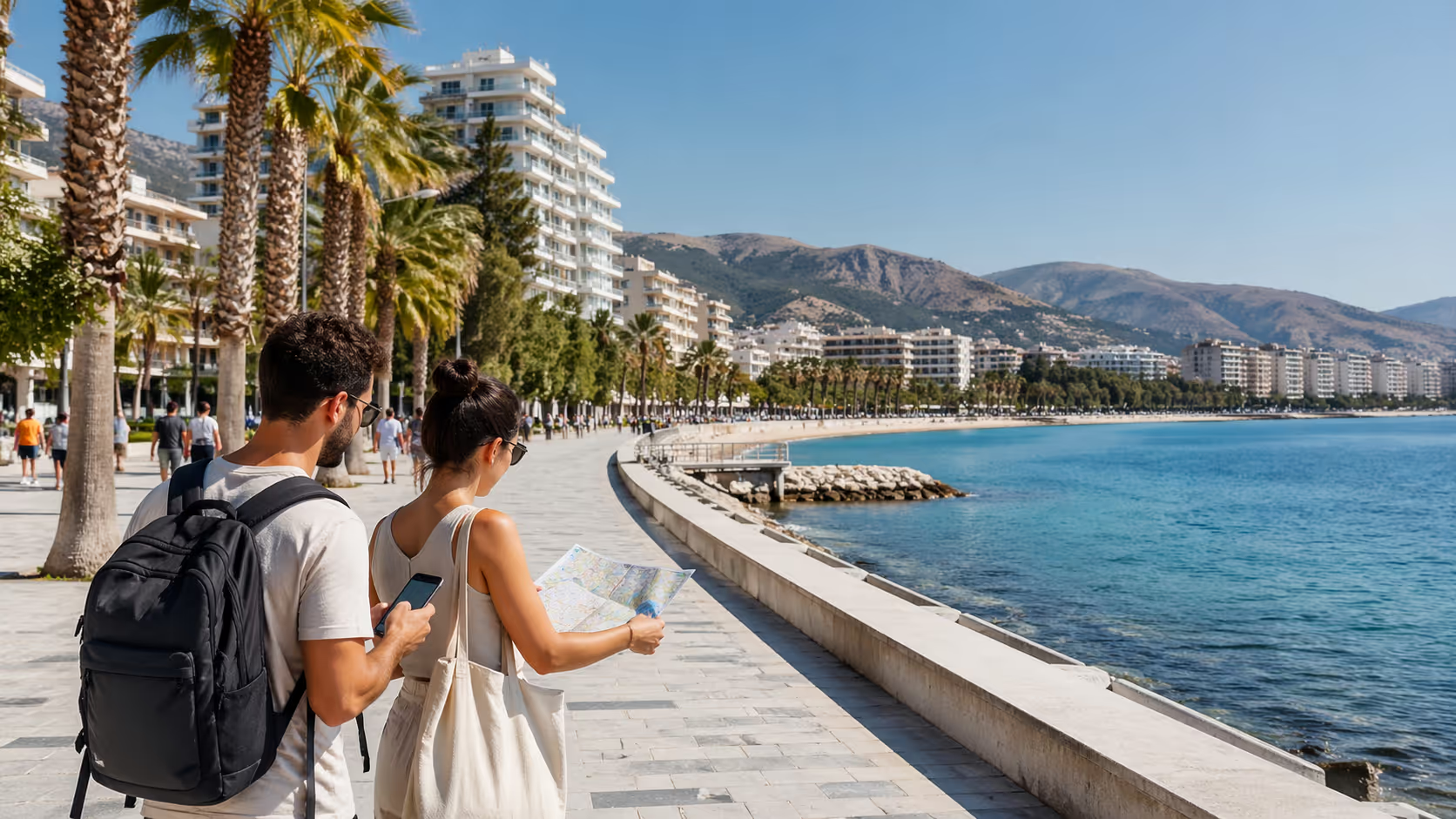
Weekends can feel repetitive if you stay in the city limits. After you walk the promenade a dozen times, the novelty wears off. You cannot spend every Saturday looking at the same stretch of sand. You must learn the local bus system to take day trips to places like Berat. Taking proactive steps to change your scenery prevents deep boredom from setting in.
Your neighborhood choice dictates your daily routine. The city stretches out along a main coastline and pushes inland toward the hills. Each small district has a distinct flavor and noise level. Picking the wrong street can result in a noisy summer or a boring winter. You should match your neighborhood to your personal working style.
The Lungomare area puts you right in the middle of the action. This long, modern promenade touches the sea and features endless restaurants. Living here means you can step off your porch and grab a coffee in one minute. It is perfect for social workers who love background noise and easy access to food. The trade-off is heavy traffic noise and higher rental prices.
Cafes in this area are large, bright, and perfectly built for long laptop sessions. Places like Mulliri Vjeter serve great coffee and offer reliable internet access. You will find plenty of power sockets along the walls. You can watch the crowds walk by through the giant glass windows. Most foreign workers center their day around this specific strip of pavement.
Uji i Ftohtë sits further south along the coast. This name literally translates to "Cold Water" in English. The area features rocky beaches, cleaner water, and higher-end apartment buildings. It is much quieter than the center and feels slightly more exclusive. Remote workers choose this spot for the incredible balcony sea views.
Working from this southern zone requires a bit more planning. There are fewer casual cafes aimed at laptop users here. You will rely heavily on your home internet connection for your main tasks. If you want to meet people, you must take a cheap public bus into the city center. It rewards introverts with peace but isolates pure extroverts.
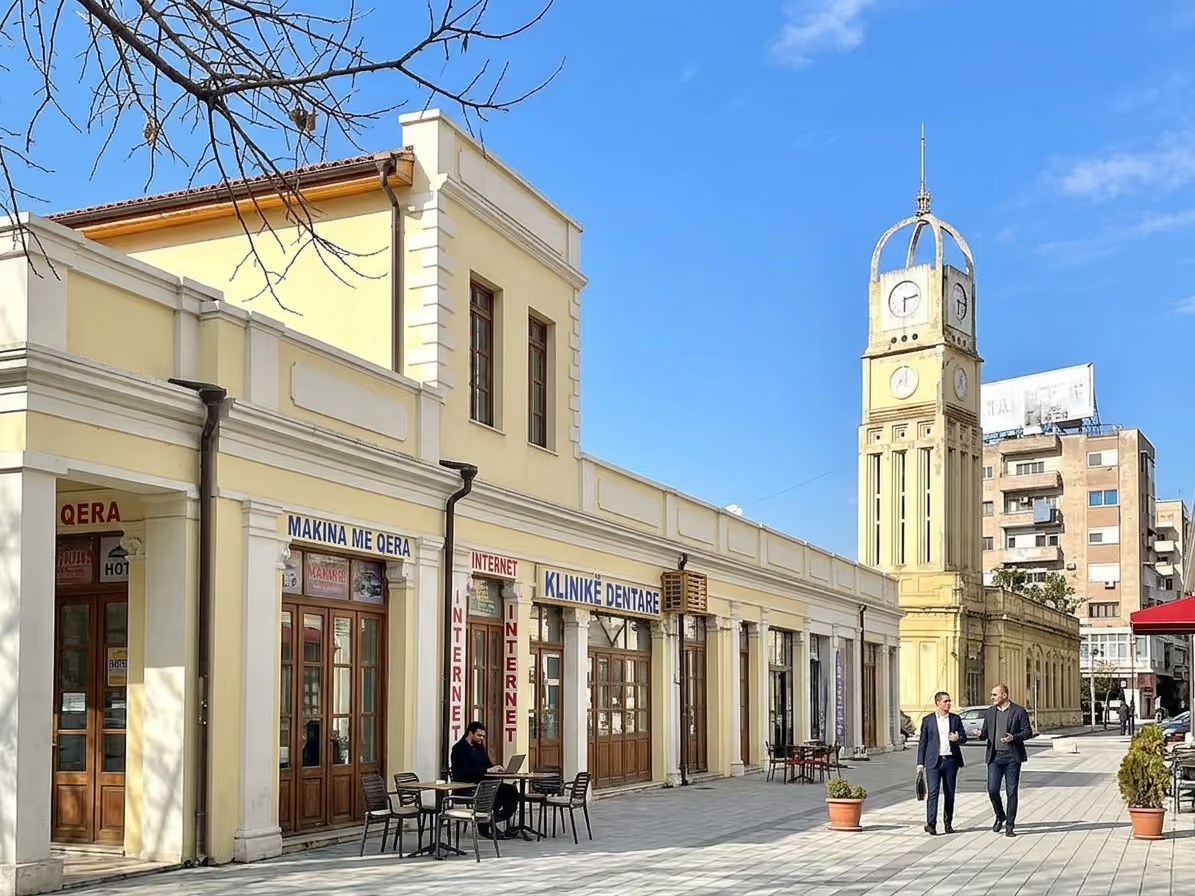
The historic center lies inland, moving away from the coastline. It features beautiful restored buildings, boutique shops, and narrow stone streets. Renting an apartment here puts you closer to the traditional local culture. The prices are usually lower since you do not get a direct view of the sea. It has a charming, almost village-like feeling.
You can work from small artisan cafes tucked away in colorful alleys. These spaces are incredibly quiet and visually inspiring for writers or designers. The WiFi speeds vary wildly in these older stone buildings. You should always have your mobile hotspot ready if the cafe connection drops out. This area offers a deeply authentic daily experience.
Creating a life in a new country requires active effort. You cannot wait in your apartment for friends to bump into you. You must step outside your comfort zone to find familiar faces. Making just a few connections transforms the city from a lonely postal code into a real home.
Joining a local gym is the easiest first step. Fitness centers run on very predictable daily schedules. If you lift weights at 5:00 PM every Tuesday, you will see the exact same local lifters. A simple nod of the head eventually turns into a short chat between sets. Sports automatically bridge the language gap without awkward introductions.
Another great strategy is becoming a regular at one specific cafe or vendor. Try to buy your morning pastry from the exact same baker every single day. Order your espresso from the same barista at Broadway. The local staff will quickly learn your face and your standard order. These small daily interactions provide a massive boost to your general mood.
You should search for small group hiking or day-trip excursions. Some local guides organize weekend trips to hidden beaches or mountain castles. Joining these small tour groups places you in a van with other adventurous people. You share a meal, walk a trail, and naturally exchange contact information. It is the best way to find fellow remote workers.
My personal advice is to embrace the local bakery routine immediately. Walking to the corner shop for warm bread grounds your morning in an authentic local habit, setting a positive tone for the entire workday ahead. Check social media for emerging expat groups passing through the Riviera. If you want to meet other people solving the same remote work challenges, join the community online before you even pack your bags.
A successful remote setup in the coastal Balkans requires flexibility. Your perfect schedule will probably change three times in your first week. You will learn which cafes have the best chairs and which bakers wake up earliest. Bookmark this guide to review our seasonal schedule templates right before the weather changes in May or October. Stay patient, drink the local espresso, and enjoy the slow coastal workflow.
Follow Vlore Circle for fresh guides, local updates, and community notes around life in Vlorë. It is the easiest way to stay close to what we are building.

Be part of a growing community built around connection, local life, and a better experience of Vlorë.
join the circle