Representative image

Replacing damaged coastal clothing seems expensive, but local Vlorë tailors provide affordable alterations, zipper replacements, and custom sewing in small neighborhood shops.





You are likely searching for how to fix a broken jacket zipper or hem a new pair of trousers in Vlorë. Finding reliable clothing repairs provides a definitive solution to maintaining your wardrobe abroad. Vlorë offers a network of skilled local tailors and cobblers who provide fast clothing fixes and affordable custom garments. Locating these professionals requires knowing which side streets to walk down and how to ask for basic alterations.
Living in Vlorë means exposing your clothing to daily sun and heavy salt air. This harsh coastal environment breaks down cheap fabrics fast. Finding a local tailor becomes a practical necessity for anyone staying longer than a few weeks. Fixing clothes costs much less than constantly buying new imported items from shops along Bulevardi Ismail Qemali.
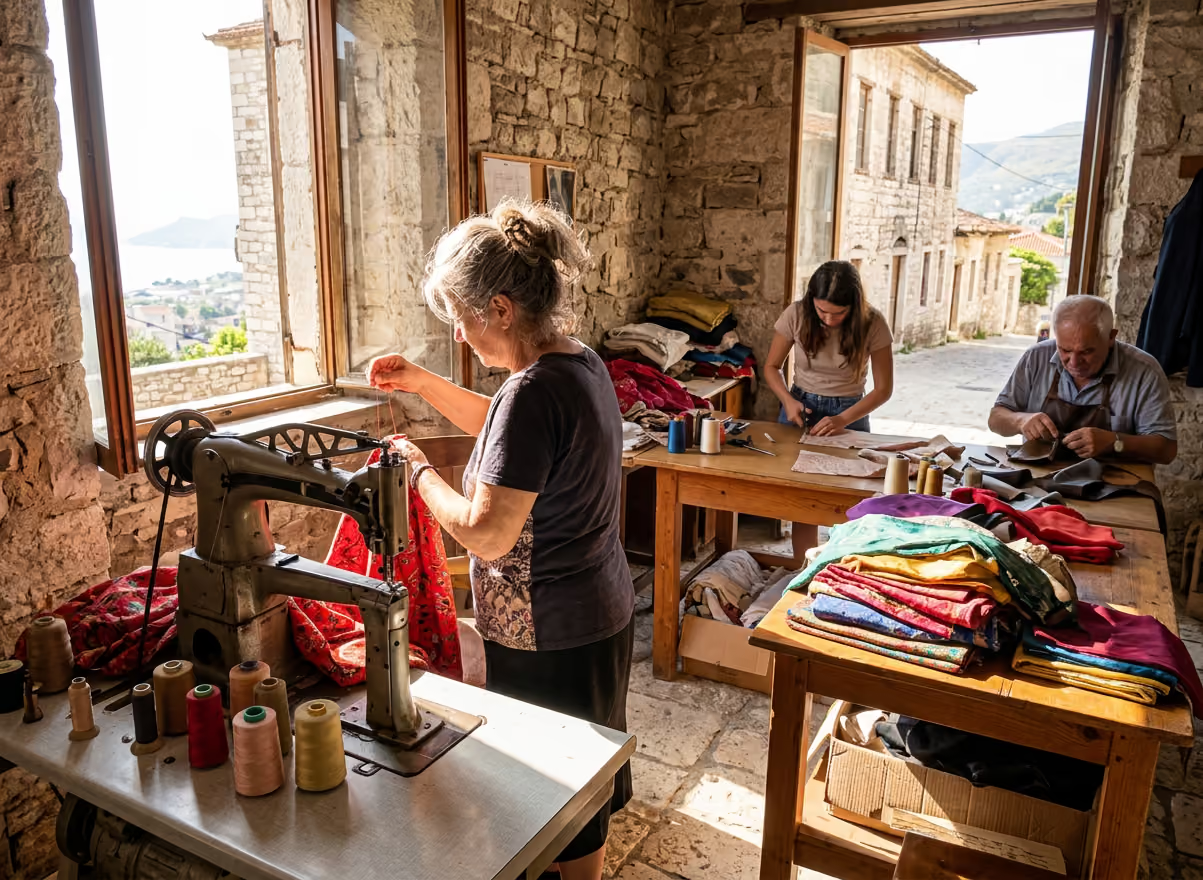
Albanian tailoring represents a cultural expression rooted deeply in local customs. These skills pass down through generations of families in the city. Artisans here integrate old traditions with modern fabric adaptations. You will find older men and women operating heavy sewing machines in small shops near the city center.
These shops do not look fancy from the outside. They often sit wedged between small cafes and neighborhood grocery stores. The true value lies in the hands of the workers inside. According to research from Tailored by Meri, this local craftsmanship highlights incredible hand-sewing skills for intricate details.
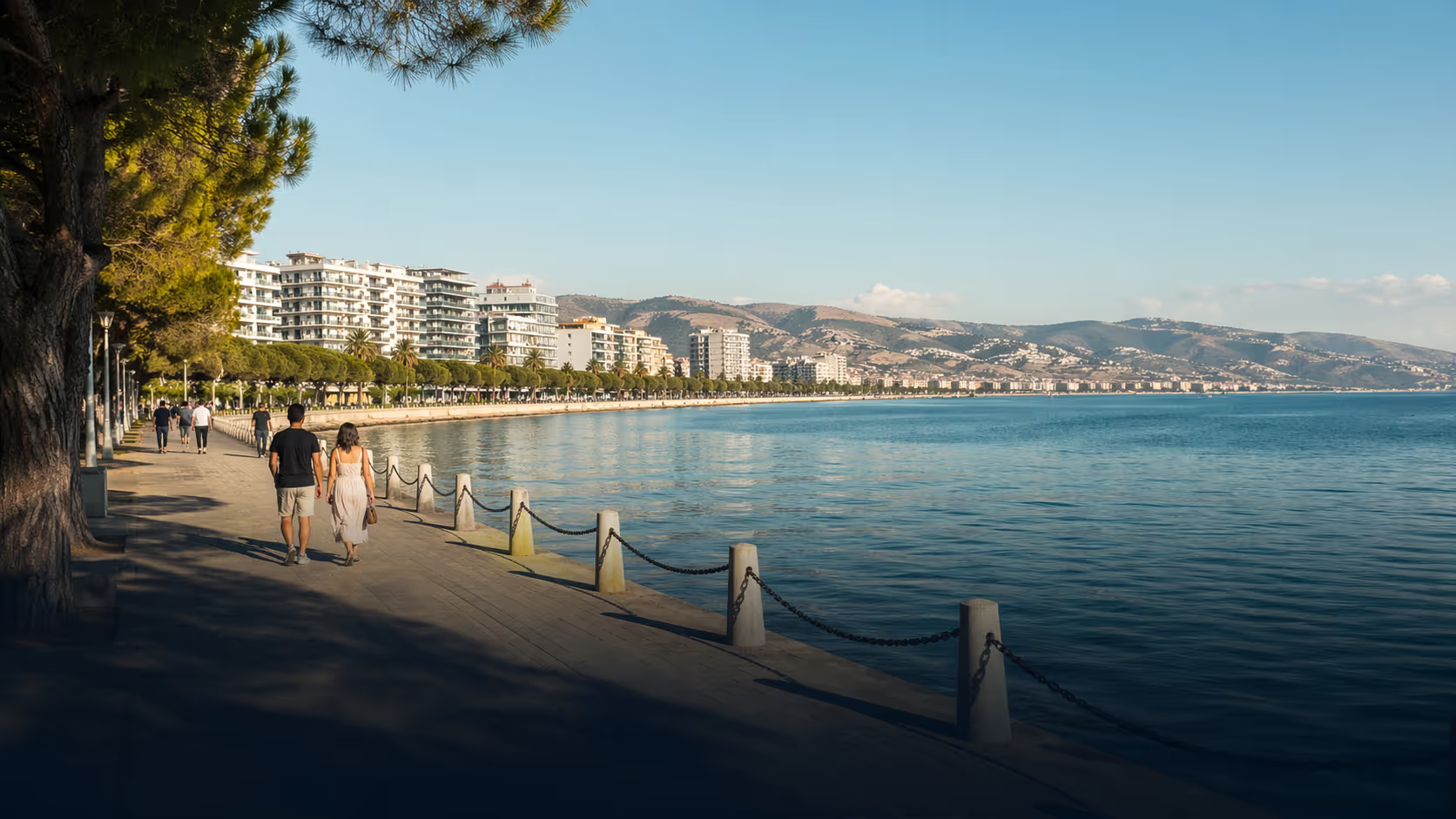
Walking the Lungomare promenade every evening takes a heavy toll on footwear. The paved walkways wear down the soles of leather sandals and running shoes. You will notice the heels of your shoes degrading much faster here than in inland cities. Cobblers near the stadium area specialize in replacing these rubber soles quickly.
High humidity levels in Vlorë affect your winter jackets heavily. Zippers on coats tend to rust and stick after a single rainy season. Local repair shops stock heavy-duty replacement zippers designed to handle this salty moisture. They can swap a broken zipper on a winter coat in just two days.
Sun bleaching presents another common issue for daily clothing. Dark shirts and dresses lose their color when hung outside to dry on apartment balconies. Many tailors offer dyeing services for sturdy cotton garments. This practice saves expensive linen and cotton pieces from ending up in the trash.
Constant walking means trousers wear out at the inner thighs. The friction destroys thin fabrics in just a few months. Local artisans can reinforce these hidden areas with soft fabric patches. This unseen repair adds an entire year of life to your favorite trousers.
Many expats want custom clothes made after seeing the affordable local prices. The process starts with selecting a design and finding the right artisan. Vlorë tailors excel at creating custom suits and dresses from scratch. They use historical techniques modified for contemporary fashion styles.
Natural fabrics like wool and cotton work best for these custom projects. Synthetic blends do not breathe well during the intense Vlorë summers. You should seek out lightweight cotton and linen for warm-weather custom clothing. Tailors prefer working with these natural materials.
Creating a custom piece requires close attention to detail and multiple fittings. The tailor takes precise measurements before cutting any fabric. You will return to the shop two or three times to test the fit. This personalized client relationship guarantees the final garment matches your exact body shape.
Women often request custom summer dresses for the beach season. Men frequently order tailored linen trousers for evening dinners near the Marina. These custom pieces cost a fraction of what a designer label charges in Western Europe. You gain a unique piece of clothing fitted perfectly to you.
Buying cheap imported clothing feels convenient at first glance. The local shopping centers offer plenty of inexpensive options. These factory-made items often fall apart after five or six washes. The seams twist and the cheap thread breaks under normal tension.
Taking a well-made older garment to a local artisan offers better long-term value. You might spend 2000 LEK at a secondhand shop for a high-quality Italian wool coat. Spending another 1500 LEK to have it tailored to your body gives you a premium item. This total cost still falls far below buying a new low-quality jacket.
Local tailoring services interrupt the cycle of endless consumption. Most people throw trousers away when a simple plastic zipper breaks. Spending 400 LEK to replace that zipper keeps the item in your daily rotation. This habit saves hundreds of euros over a single year abroad.
Supporting local artisans keeps money circulating within the Vlorë economy. Your payment goes directly to the person operating the sewing machine. These small cash transactions help families buy groceries and pay school fees. This direct economic impact builds a stronger local neighborhood network.
Most daily tailoring needs revolve around simple size adjustments. You might buy trousers from a shop near Flag Square that fit your waist but run long. A local tailor can hem those pants perfectly in under an hour. This basic alteration costs very little and makes store-bought clothes look custom.
Taking in the waist of a dress or shirt represents another common request. Weight fluctuations happen frequently when adjusting to the local Mediterranean diet. Tailors can open the side seams and reshape the garment to match your new measurements. They finish the inside seams cleanly to prevent fraying.
Repairing tears saves your favorite items from early retirement. Snagging a shirt on a stray nail or rough chair happens often. Artisans use tight zigzag stitches to close small holes invisibly. They can apply matching fabric patches for larger tears that blend into the original design.
Button replacement seems simple but often requires professional tools. Thick winter coats and heavy denim jeans need industrial machines to secure new hardware. Repair shops keep large boxes of spare buttons in every size and color. They can match a missing button or replace the entire set for a fresh look.
Albanian tailoring features a rich history of specialized embellishment services. The national costumes display incredible levels of detailed hand-embroidery. Tailors can apply these techniques to modern clothes for everyday wear. This decoration adds a unique local signature to your wardrobe.
Artisans use heavy metallic threads to create geometric patterns on collars and cuffs. This embellishment technique takes hours of precise hand-sewing skills. You can ask a tailor to add a subtle embroidered motif to a plain linen shirt. It transforms a basic garment into a personalized piece of wearable art.
Women frequently request custom lacework for summer evening wear. Tailors source delicate lace from regional textile importers. They smoothly integrate these panels into the backs or necklines of cotton dresses. The resulting garments look elegant and allow better airflow during humid July nights.
Custom monogramming represents another accessible embellishment service. Business professionals often have their initials stitched into the cuffs of custom dress shirts. This small detail costs very little but increases the perceived value of the shirt. Older tailors perform this monogramming entirely by hand without computer assistance.
Leather workers and cobblers operate in tiny kiosks across Vlorë. You can find several of these specialists clustered near the old market area. They focus entirely on footwear and heavy leather accessories. Their work saves expensive shoes from the rubbish bin.
Heel replacements rank as the most requested cobbler service. The uneven stone streets in older neighborhoods chip away at hard heels. The cobbler removes the damaged base and glues a dense rubber pad in its place. He then sands the edges smooth on a spinning grinding wheel.
Leather bags and belts frequently need strap repairs or new buckles. The weight of groceries or laptops tears the stitching on shoulder bags over time. Cobblers use thick waxed thread and heavy needles to restitch these pressure points. The resulting repair usually holds stronger than the factory original.
Shoe stretching offers relief for tight new footwear. Bring your rigid leather shoes to a local shop if they pinch your toes. The cobbler applies a softening spray and inserts a mechanical stretching block overnight. This simple process makes rigid shoes comfortable for long walks around the city.
Finding the right material often falls entirely on your shoulders. Most small repair shops in Vlorë do not stock large rolls of fabric for custom orders. They expect you to bring the raw material directly to them. You must visit dedicated textile shops before booking your tailor.
Fabric stores sit mostly along the commercial streets behind the main university building. These shops sell cloth by the meter. You will find cotton, linen, silk, and heavy suit wool stacked on high shelves. Shop owners can help you calculate the yardage needed for specific projects.
Buying fabric locally requires checking the material quality carefully. Hold the cloth up to the light to check the weave density. Rub the surface to see if the material pills or sheds fibers easily. Natural fibers always cost more upfront but last significantly longer in the local climate.
Repurposing old materials offers a creative solution for custom projects. You can buy oversized vintage items from secondhand shops near the port. A skilled tailor can recut a large vintage dress into a modern skirt and top set. This approach yields high-quality fabrics at a very low starting price.
Vlorë hosts several excellent secondhand clothing markets for bargain hunters. You can find high-quality Italian designer pieces mixed with cheap cast-offs. Buying an oversized vintage jacket for 500 LEK feels like a great victory. The real magic happens when you take that piece to a local artisan for reshaping.
Vintage restoration requires a tailor who understands old construction methods. Clothes made thirty years ago feature different seam allowances and heavier structural threads. The tailor must carefully unpick these old seams without tearing the aged fabric. They often replace degraded elastic waistbands or stiff internal shoulder pads.
Relining old coats transforms a thrift store find into a luxury item. The outer wool of a vintage coat often outlasts the thin silk lining inside. A local tailor can remove the shredded interior and stitch in a fresh contrasting silk layer. This specific repair adds decades of life to the garment.
Modernizing vintage cuts helps you blend old quality with new styles. A skilled artisan can take a wide-legged trouser from the 1990s and taper it to a modern slim fit. They can remove bulky patch pockets from an old blazer for a cleaner silhouette. These creative alterations give you a unique wardrobe built from inexpensive local finds.
Getting a piece of clothing fixed or made requires a specific approach. Following a clear protocol prevents misunderstandings and wasted money.
Trying on clothes in a local tailor shop differs from a modern retail store. The fitting areas often consist of a simple curtain strung across a back corner. You will not find flattering lights or large three-way mirrors here. You must focus entirely on how the garment feels against your body.
The tailor will ask you to stand perfectly still during the pinning process. They move quickly around you with a mouth full of straight pins. You must wear the exact shoes you plan to use with the garment. A heel height difference changes the entire required hemline of a pair of trousers.
Communication during the fitting phase dictates the final result. Point immediately if a sleeve feels tight across your bicep. Do not worry about being polite and accepting a poor fit. The tailor wants to know exactly where the fabric pulls or pinches.
The artisan will use a piece of chalk to mark adjustment lines directly on the cloth. These chalk marks wash out easily and guide the final stitching. You carefully step out of the garment once the pinning finishes. The tailor takes the pinned item back to the heavy sewing table.
Understanding the local pricing structure sets realistic expectations for newcomers. Tailoring in Vlorë offers extreme cost-effectiveness compared to Western European services. You pay exclusively for the time and skill of the artisan. The following prices represent typical cash rates in local Albanian Lek.
Basic alterations cost the least. Hemming a standard pair of trousers usually runs between 300 and 500 LEK. Taking in the waist of a dress shirt might cost 400 to 600 LEK. Shortening the sleeves on a lined blazer requires more work and costs around 800 LEK.
Repairs vary based on the complexity of the damage. Replacing a standard plastic trouser zipper costs about 400 LEK. Installing a heavy metal zipper on a winter coat jumps to 800 or 1000 LEK. Patching a small hole or sewing a loose button often costs less than 200 LEK.
Custom garment creation represents a much larger investment. A simple custom summer dress might cost 3000 to 5000 LEK in labor. A fully tailored men's suit jacket and trousers can range from 15000 to 25000 LEK. You must factor in the additional cost of the fabric you purchase yourself.
Cobbler services remain incredibly cheap across the city. Replacing the rubber heels on leather shoes costs roughly 500 LEK. Stitching a torn leather bag strap might run 300 LEK. Full sole replacements for winter boots cost between 1000 and 1500 LEK.
Many expats hold romantic ideas about old-world artisans whipping up custom suits overnight. The daily reality of living in Albania tells a different story. Good tailors stay busy year-round with regular local clients. Your project goes into a queue behind dozens of other orders.
A simple hem might take two days during busy wedding seasons. Custom garments often require three to four weeks from the first measurement to the final fitting. Delays happen frequently when power outages stop the electric sewing machines. You need patience to handle these local service timelines.
Language barriers present a real hurdle in these small shops. Most older artisans do not speak any English. You need to use hand gestures to explain where a shirt feels tight. Using a translation app helps but physical demonstrations work best.
Fabric sourcing adds another layer of complexity to custom orders. You cannot just walk in and demand a blue wool suit. You must hunt down the wool yourself across multiple stores. You have to pause the project and hunt for more matching cloth if you buy the wrong yardage.
Stepping into a Vlorë tailor shop engages all your senses immediately. The smell of machine oil and pressed cotton fills the small rooms. The rhythmic thumping of heavy mechanical sewing machines creates a constant background noise. These tools differ wildly from lightweight domestic sewing machines.
Most professional tailors here use older industrial machines built for heavy production. These cast-iron workhorses can sew through thick denim and heavy leather without hesitating. You will often see vintage brands bolted to sturdy wooden tables. The artisans maintain these machines meticulously with daily oiling and cleaning.
Large cutting tables dominate the center of the workshop space. These flat surfaces allow the tailor to lay out wide rolls of fabric smoothly. Heavy fabric shears rest on the tables beside long wooden measuring sticks. The shears make a distinct slicing sound as they cut through heavy wool.
Wall shelves hold hundreds of spools of thread in every imaginable color. The tailor selects the exact shade needed to make a repair invisible. Glass jars sit on the counters filled with spare buttons, metal snaps, and replacement zippers. The organized chaos of the workshop reflects decades of busy daily labor.
Tailoring disciplines often split between men's and women's clothing specialists. A tailor who builds perfect men's suits might struggle with a draped silk dress. Finding the right specialist for your specific garment guarantees a better final product. Ask around the neighborhood to learn who handles which type of clothing best.
Men's tailoring focuses heavily on rigid structure and internal canvassing. A good suit jacket contains layers of hidden material that shape the chest and shoulders. The tailor must understand how to mold heavy wool using steam and tension. Shops near the government buildings often specialize in this structured men's business wear.
Women's tailoring requires a deeper understanding of fabric drape and fluid movement. Dresses and blouses use lighter materials that slip and slide during the cutting process. The tailor must account for complex curves and delicate closures. Specialists in women's wear often operate near the bridal shops on the main commercial streets.
Some larger shops employ both types of specialists under one roof. The husband might handle the heavy leather and suit jackets at one table. The wife might manage the delicate alterations and dressmaking at another machine. This family business model represents the backbone of Vlorë's craft economy.
The Muradie neighborhood stands out as the historic center for traditional craftsmanship. This area sits just behind the main Flag Square and features narrow stone streets. Many of the oldest tailoring families still operate out of ground-floor spaces here. The buildings show their age but the work remains exceptional.
Walking down Rruga Justin Godart reveals several small repair windows. You can see cobblers tapping small nails into shoes right next to the sidewalk. These specific streets hold the highest concentration of independent leather workers in the city. You can drop off broken shoes and grab a coffee at a nearby cafe.
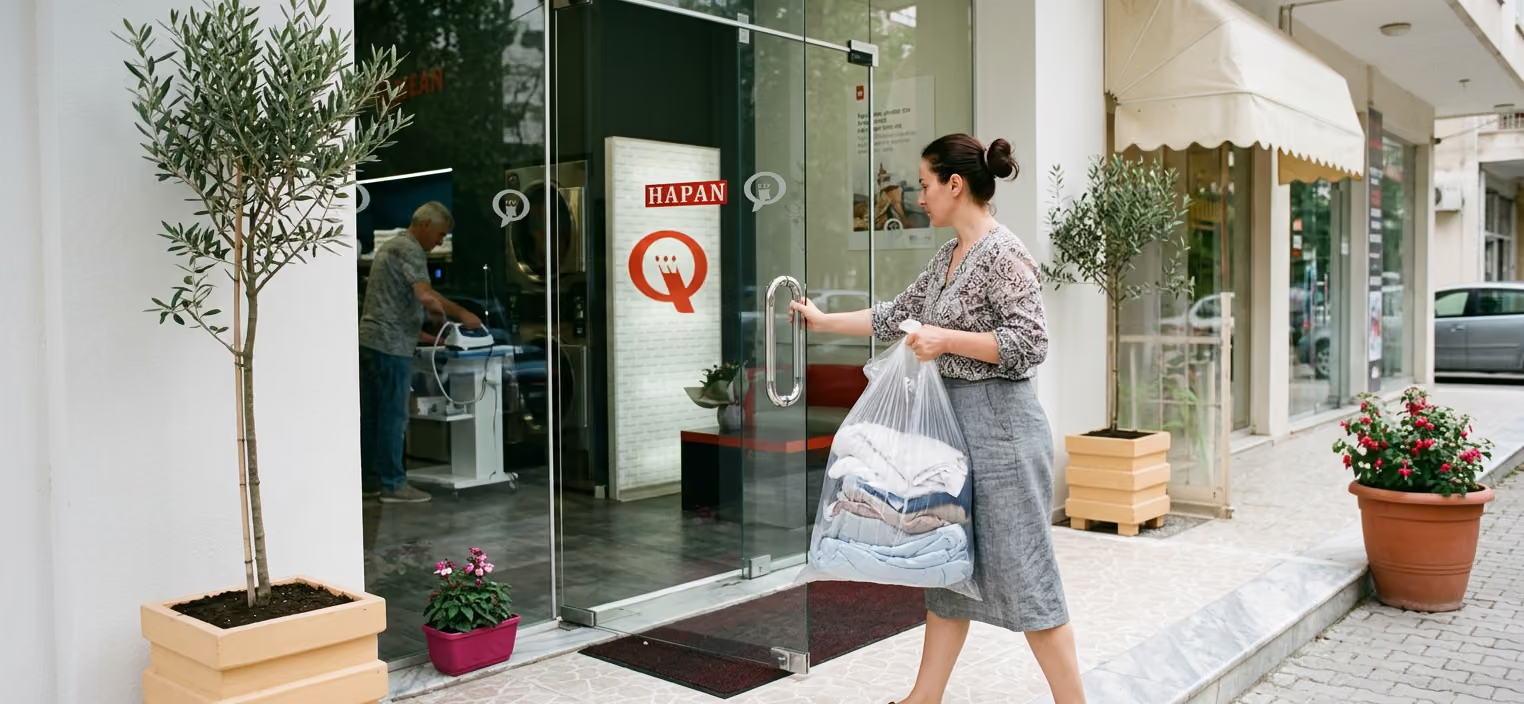
Look near the Lungomare side streets for modern dry cleaning and basic alterations. Businesses like Pastrim Kimik Vlora often handle minor repairs alongside their washing services. They act as convenient drop-off points for busy remote workers. You can hand them a torn shirt and pick it up clean and repaired three days later.
The stadium district hosts practical everyday repair shops. The side streets radiating out from the Flamurtari Stadium feature unbranded kiosks with sewing machines inside. These are the spots locals use for quick zipper replacements before school starts. The prices here reflect local neighborhood budgets perfectly.
The climate in Vlorë demands distinct seasonal wardrobe shifts. The transition from a mild wet winter to a scorching dry summer requires different clothing weights. Locals use this seasonal shift as a reminder to handle routine wardrobe maintenance. They take their heavy coats to the tailor before storing them away.
Spring represents the busiest time for dry cleaners and repair shops. People drop off their winter wool coats for deep cleaning and button reinforcement. Fixing a loose lining in April prevents a nasty surprise when November arrives. Tailors appreciate this forward-thinking approach from their regular clients.
Summer requires lightweight breathable fabrics that need constant pressing. Linen suits and cotton dresses wrinkle easily in the coastal humidity. Many tailoring shops offer professional pressing services using heavy commercial irons. They can restore the crisp edges to a linen suit for a very low fee.
Autumn brings requests for waterproofing and leather protection. Cobblers apply heavy wax treatments to winter boots to repel the coming rains. Tailors check the waterproof taping on heavy rain jackets. Preparing your gear in October saves you from walking around with wet feet in December.
Mistakes happen even with the most experienced local artisans. The most common pitfall involves shrinking fabrics after the custom garment is finished. Natural materials like cotton and linen shrink heavily during their first wash. Your custom dress will not fit later if you do not pre-wash your fabric before bringing it to the tailor.
Misunderstanding the expected timeline leads to massive frustration. Never drop off a dress on Wednesday expecting to wear it to a wedding on Saturday. You must clearly state your absolute deadline when handing over the fabric. Find another shop or adjust your plans if the tailor looks hesitant about the date.
Losing your claim ticket creates a nightmare for the shop owner. They process dozens of black trousers and blue shirts every single week. Finding your specific item takes hours of searching without the numbered ticket. Take a photo of the ticket with your phone the moment they hand it to you.
Accepting an uncomfortable fit out of politeness ruins the entire custom experience. The fitting session exists specifically to catch sizing problems early. Point it out immediately if the trousers pinch your waist. The tailor expects you to ask for adjustments before the final seams get locked in place.
Finding a trustworthy artisan changes your entire experience with clothing in this city. My personal advice is to test a new tailor with a minor low-risk project first. Bring them an old pair of jeans that need a simple hem. Check the straightness of their stitching and their adherence to the agreed timeline.
Bring them a slightly more complex shirt alteration if they do a good job on the jeans. Building a relationship slowly proves your reliability as a regular customer. They will often rush small repairs for you once they know your face. A strong relationship with a local tailor is worth its weight in gold.
Take the time to learn three or four basic Albanian words related to clothing. Knowing how to say "shkurtër" for shorter or "ngushtë" for tighter goes a long way. The artisans appreciate the effort and it reduces the chance of cutting mistakes. A quick smile and a friendly greeting open many doors here.
Connecting with other residents helps you find the best hidden shops. You can share tailor recommendations and fabric store locations with your peers. Join the community to ask specific questions about leather repair or wedding dress alterations. Local knowledge spreads best through shared resident experiences.
Follow Vlore Circle for fresh guides, local updates, and community notes around life in Vlorë. It is the easiest way to stay close to what we are building.

Be part of a growing community built around connection, local life, and a better experience of Vlorë.
join the circle