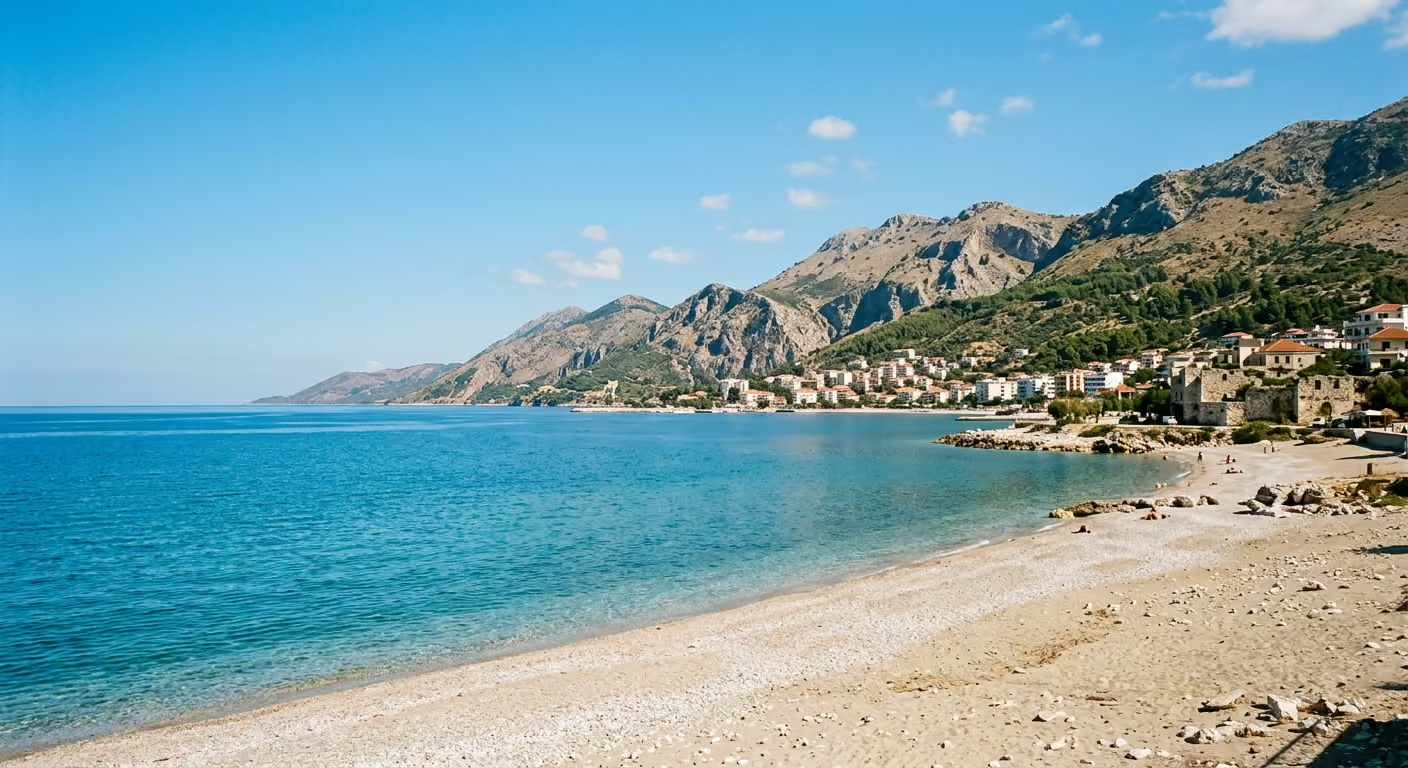
Representative image

Prepare for Vlorë's coastal microclimate. Get month-by-month weather forecasts, local temperature averages, and practical gear advice for rain, wind, and heat.





Newcomers often type simple questions into a search bar about packing for Vlorë. They expect a quick answer about sunny beaches and light shirts. They pack only shorts and completely ignore heavy rain gear. They soon face freezing indoor temperatures or sudden torrential storms.
Vlorë experiences a coastal Mediterranean climate with intensely hot summers, mild but extremely wet winters, and rapid wind shifts. You must prepare with a modular wardrobe of waterproof outer layers and moisture-wicking base layers to handle sudden temperature drops. This strategy keeps you comfortable year-round. Preparing correctly prevents weather-related disruptions to your daily routine.
The geography here dictates everything you will experience. The Adriatic Sea meets the Ionian Sea just off the coast. Tall mountains sit directly behind the city center. This specific landscape creates a unique local weather system. Sudden afternoon thunderstorms roll in fast over the water. Strong northern winds drop the perceived temperature rapidly. Knowing these patterns helps you plan your life.
Climate experts classify Vlorë as having a Mediterranean climate. Summers stay hot and dry. Winters remain mild but bring heavy rainfall. The coastal position creates a distinct microclimate compared to inland Albanian cities. The sea acts as a moderating force.
Humidity plays a massive role in how the weather actually feels. Coastal humidity in Vlorë hovers around 70 to 75 percent year-round. High humidity makes winter cold feel much sharper against your skin. It makes summer heat feel heavier and more intense. You must account for this moisture when picking your clothes.
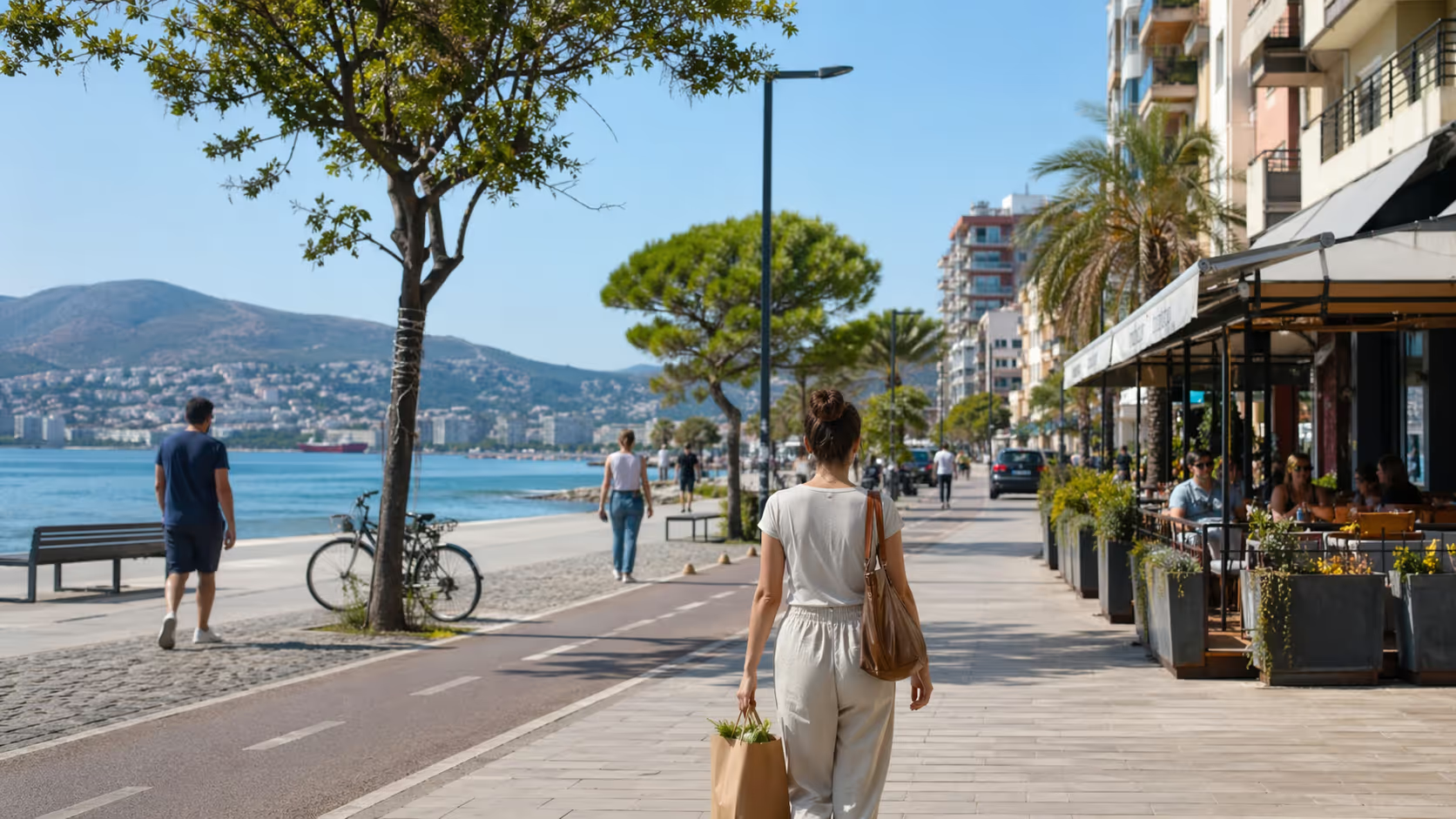
Wind dynamics change the daily reality on the ground. Summer sea breezes offer a welcome cooling effect along the Lungomare promenade. Winter brings the Bora wind from the north. The Bora gusts can reach high speeds and dramatically lower the wind chill factor. A day measuring 5 degrees Celsius can easily feel like freezing when the Bora blows.
December marks the beginning of the true rainy season. The average daytime high reaches 15 degrees Celsius. Nighttime temperatures drop significantly. Historical climate data shows an average of 127 millimeters of rain during this month.
The rain does not just drizzle in Vlorë. Coastal convergence creates intense downpours that can last for hours. The city infrastructure sometimes struggles to move this volume of water quickly. Localized flooding happens on certain streets near the downtown area. You must plan your errands around the weather radar.
A simple umbrella will fail during a heavy storm. Wind gusts accompany the rain and break flimsy metal spokes. You need a durable waterproof jacket with a strong hood. You need waterproof footwear for the wet sidewalks.
Indoor life changes drastically in December. You will start to feel a deep chill inside your apartment. Albanian homes rarely have central heating systems. Concrete walls and stone floors retain the cold air.
January stands as the coldest month of the year. Daytime temperatures peak around 14 degrees Celsius. Nighttime temperatures drop to 3 degrees Celsius. Climate researchers recorded a record low of 1 degree Celsius in 2017.
The sea temperature drops to 14 degrees Celsius. Swimming becomes dangerous without a proper thermal wetsuit. The wind chill factor peaks during January mornings. You will feel the cold biting your face as you walk near the beach area.
Layering becomes your best defense this month. A thick wool sweater over a thin shirt works well. You must wear thick house slippers indoors. Walking barefoot on ceramic tiles will quickly drain your body heat.
You must manage indoor humidity carefully in January. Cold air meeting warm indoor breath creates condensation on windows. This moisture leads directly to black mold on the walls. Proper ventilation remains necessary even on freezing days.
February continues the cold trend but hints at coming warmth. The daytime average creeps up to 15 degrees Celsius. Rainfall remains high with an average of 103 millimeters. You will still see frequent gray skies and heavy showers.
The Bora wind often strikes hardest in February. These sudden northern gusts can make walking along the promenade difficult. You should always carry a windproof shell in your bag. The weather can shift from calm to chaotic in just thirty minutes.
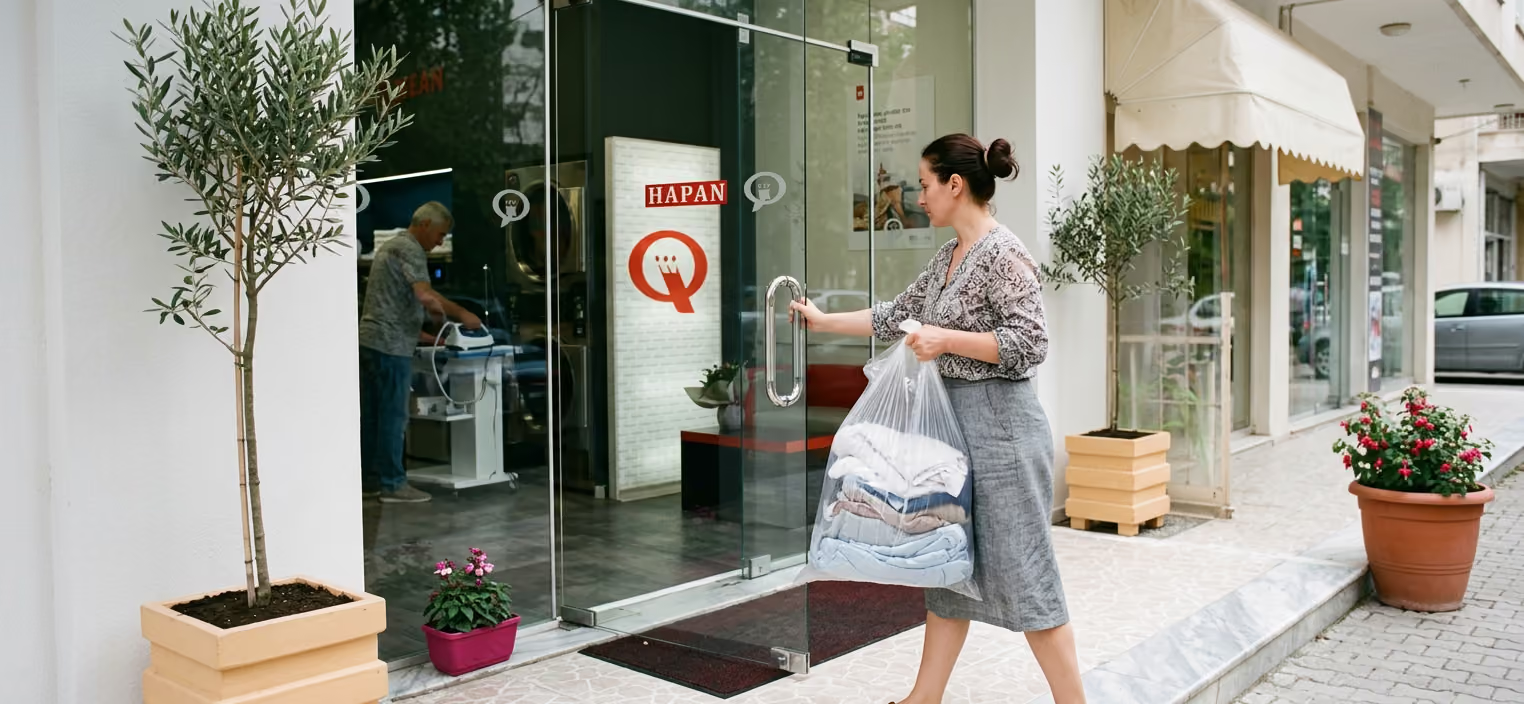
This month tests your patience for dampness. Your laundry will take days to dry on a standard indoor rack. Wet clothes hanging in a cold room add more moisture to the air. You need a mechanical solution to dry your garments effectively.
Locals spend February days ducking into warm cafes. You will find people huddled near space heaters drinking hot mountain tea. Buying a good electric heater for your own living room is a smart investment.
March begins the transitional spring phase. Daytime highs reach 17 degrees Celsius. The sun starts to shine for longer periods. The overall weather feels unpredictable and highly variable.
You can experience three different seasons in a single March day. The morning might start with freezing fog. The afternoon might bring bright sunshine and warm breezes. The evening might end with a cold rain shower.
You must adopt a highly modular wardrobe now. Leave the heavy winter coats in your closet. Start wearing lighter jackets over removable sweaters. You can easily peel off a layer when the afternoon sun hits the promenade.
Allergies start to become an issue in late March. The coastal winds whip up pollen from the surrounding hills. Keep your apartment windows closed on very windy days. Have basic allergy medication ready just in case.
April brings a noticeable shift toward sunny days. Daytime temperatures hit a very comfortable 21 degrees Celsius. You will see more people sitting outside at cafes. The sea remains too cold for swimming for most people.
Rain still poses a threat in April. Historical data shows an average of 10 rainy days this month. These showers tend to be shorter and less intense than winter storms. A light rain jacket usually provides enough protection.
The contrast between day and night temperatures stays sharp. You might wear shorts during a sunny afternoon walk. You will definitely need long pants and a jacket by 8 PM. Always pack an extra layer if you plan to stay out past sunset.
This month offers excellent conditions for hiking near the city. The trails around the Kaninë Castle remain green and fresh. The midday sun feels warm but not oppressive.
May ranks as one of the best months to live in Vlorë. Daytime highs reach 25 degrees Celsius. The amount of daylight increases significantly. Historical climate data points to May as a prime time for balancing sun and cool air.
Rainfall drops off sharply. You will experience many consecutive days of clear blue skies. The sea temperature slowly rises toward a swimmable level. Brave locals start taking quick dips in the water.
You can finally pack away your heavy sweaters. Thin cotton shirts and light trousers work perfectly for daily wear. You still need a light windbreaker for the evening sea breeze.
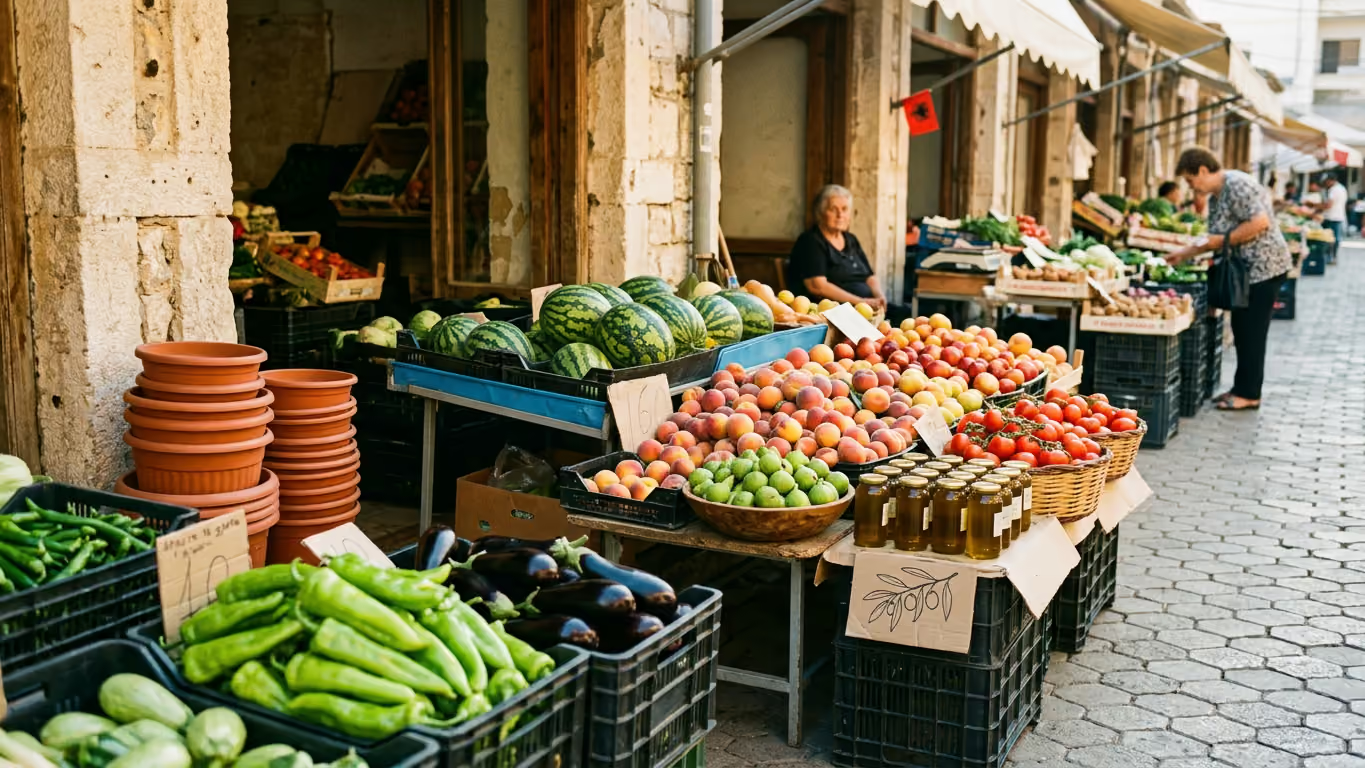
Tourist numbers start to rise slightly in May. The outdoor markets become busier with fresh spring produce. You should take advantage of the pleasant weather to walk everywhere. The city feels completely alive and welcoming.
June officially kicks off the hot summer season. Daytime temperatures push up to 29 degrees Celsius. The rain practically disappears with only 50 millimeters expected all month. The sun beats down with increasing intensity.
The sea warms up beautifully in June. It becomes the primary focus of daily life. The beaches start to fill up with residents and early visitors. You will need proper sun protection for any outdoor activity.
You must change your daily routine to avoid the midday heat. Locals do their grocery shopping before 10 AM. The streets empty out during the early afternoon. People retreat to shaded areas or air-conditioned rooms.
Evening walks become the standard social activity. The temperature drops to a comfortable level after sunset. The Lungomare fills with families enjoying the cooling sea breeze.
July stands as the hottest and driest month of the year. Daytime highs average 33 degrees Celsius. Climate monitors recorded a staggering 41 degrees Celsius in July 2023. Rain is incredibly rare with only two expected rainy days.
The sun shines relentlessly for over 12 hours a day. The UV index reaches its absolute peak. You will burn very quickly without strong sunscreen and a wide hat. Dehydration becomes a serious daily risk.
The concrete buildings in the city center trap the heat. The downtown blocks stay hot long after the sun goes down. You must rely on air conditioning to sleep comfortably. Fans alone will just push hot air around the room.
Water activities dominate July. The sea temperature provides a perfect contrast to the hot air. You should wear reef shoes when swimming in rocky areas to protect your feet.
August continues the intense heat wave. Temperatures remain stuck at an average of 33 degrees Celsius. This month offers the maximum amount of sunshine. It is the driest month of the year with only 34 millimeters of rain.
The sea reaches its peak temperature of 26 degrees Celsius. It feels like bathwater in the shallow bays. The coastal breezes provide the only relief from the oppressive humidity.
You must drink at least three liters of water daily. Sweating depletes your electrolytes rapidly in this climate. Keep water bottles with you at all times. Avoid strenuous physical activity during the middle of the day.
Tourist crowds peak in August. The traffic along the coastal road slows to a crawl. You should walk to nearby destinations instead of driving.
September brings a massive wave of relief to the city. Daytime highs drop to a very pleasant 29 degrees Celsius. The extreme heat breaks. Many experts consider September the absolute best time to be in Vlorë.
The sea retains its summer warmth. The water stays around 21 degrees Celsius. You can swim comfortably every single day. The beaches remain beautiful but the massive crowds leave.
Rain begins to make a slow return. You might experience a few sudden afternoon thunderstorms. These storms pass quickly and leave the air feeling fresh. You should keep a small umbrella by your door again.
Evening temperatures drop back down to comfortable levels. You can finally sleep with the windows open instead of running the air conditioner. The local markets overflow with late summer harvests.
October marks the true transition back to the wet season. Daytime temperatures fall to 24 degrees Celsius. The days grow noticeably shorter. Historical records show an average of 9 rainy days.
The weather patterns become highly variable again. One week might feel like an extension of summer. The next week might bring three days of solid rain. You need to pull your modular wardrobe back out.
The sea starts to cool down rapidly. Only the most dedicated swimmers stay in the water past mid-October. The coastal winds pick up speed. You will need a jacket for any evening activity near the water.
You should use October to prepare your apartment for winter. Check your windows for drafts. Buy your winter supplies before the heavy rains start.
November reigns as the wettest month of the entire year. The city receives an average of 186 millimeters of rainfall. Residents typically face about 12 days of heavy rain. Daytime highs drop to 19 degrees Celsius.
The storms in November are often severe. Huge amounts of water dump onto the city in very short windows. The storm drains sometimes back up and flood the lower streets. You should avoid driving through deep puddles on the main boulevard.
You must wear serious rain gear this month. Waterproof boots and heavy rain jackets are non-negotiable. An umbrella is practically useless against the strong coastal gusts.
The dampness seeps back into the concrete buildings. You will need to turn your dehumidifier back on. The combination of falling temperatures and high moisture makes the air feel heavy and cold.
You cannot survive Vlorë's microclimate with just a winter coat and a summer t-shirt. You need a dedicated layering strategy. Follow these steps to build a wardrobe that handles sudden coastal weather shifts.
You should buy your weather gear locally to match exact conditions. Here is what you can expect to spend in local Albanian LEK. These prices reflect standard retail rates in Vlorë.
Many people romanticize the idea of moving to the Mediterranean. They picture sunny afternoons drinking wine on a balcony year-round. The daily reality of living in Vlorë requires a much tougher mindset.
The lack of indoor insulation will shock you. You will genuinely feel colder inside your apartment in January than you do standing outside in the sun. You will spend money running electric heaters in multiple rooms. You will constantly battle dampness and mold on your walls.
Heavy storms often cause power outages. The local grid struggles during severe November rainstorms. You might lose electricity for a few hours. You must keep flashlights and backup power banks charged at all times.
The Uji i Ftohtë neighborhood offers a very specific weather dynamic. The name translates directly to "Cold Water" in Albanian. This area sits south of the main city center along the coast.
Fresh underground mountain springs meet the sea in this exact location. This geological feature creates a refreshing micro-breeze during peak summer heat. The air here always feels a few degrees cooler than the downtown concrete blocks.
Many expats choose to live here for this natural cooling effect. It offers a great escape from the oppressive August heat. The trade-off is higher exposure to the winter winds blowing off the water.
You need to know where to buy supplies when the weather turns harsh. Save these locations on your phone.
Rossmann stores are located throughout the city center. They sell excellent basic toiletries, sunscreen, and small travel umbrellas.
Megatek represents the best option for serious hardware. They do not have a physical store in Vlorë. You can order high-quality dehumidifiers and heavy heaters directly from their website for home delivery.
Globe and Neptun both have large stores in Vlorë. These electronics retailers carry a wide variety of fans, air conditioning units, and space heaters.
Local pharmacies operate on almost every street corner. You can walk into any green-cross pharmacy for allergy pills during the windy spring months.
I always tell newcomers to buy a dehumidifier on their very first day in Vlorë. Do not wait for the winter rain to start. Mold grows incredibly fast in these concrete buildings. Running a dehumidifier makes the air feel warmer and keeps your clothes smelling fresh.
You need to take immediate action to handle the coastal climate. Follow this simple checklist this week.
Follow Vlore Circle for fresh guides, local updates, and community notes around life in Vlorë. It is the easiest way to stay close to what we are building.

Be part of a growing community built around connection, local life, and a better experience of Vlorë.
join the circle