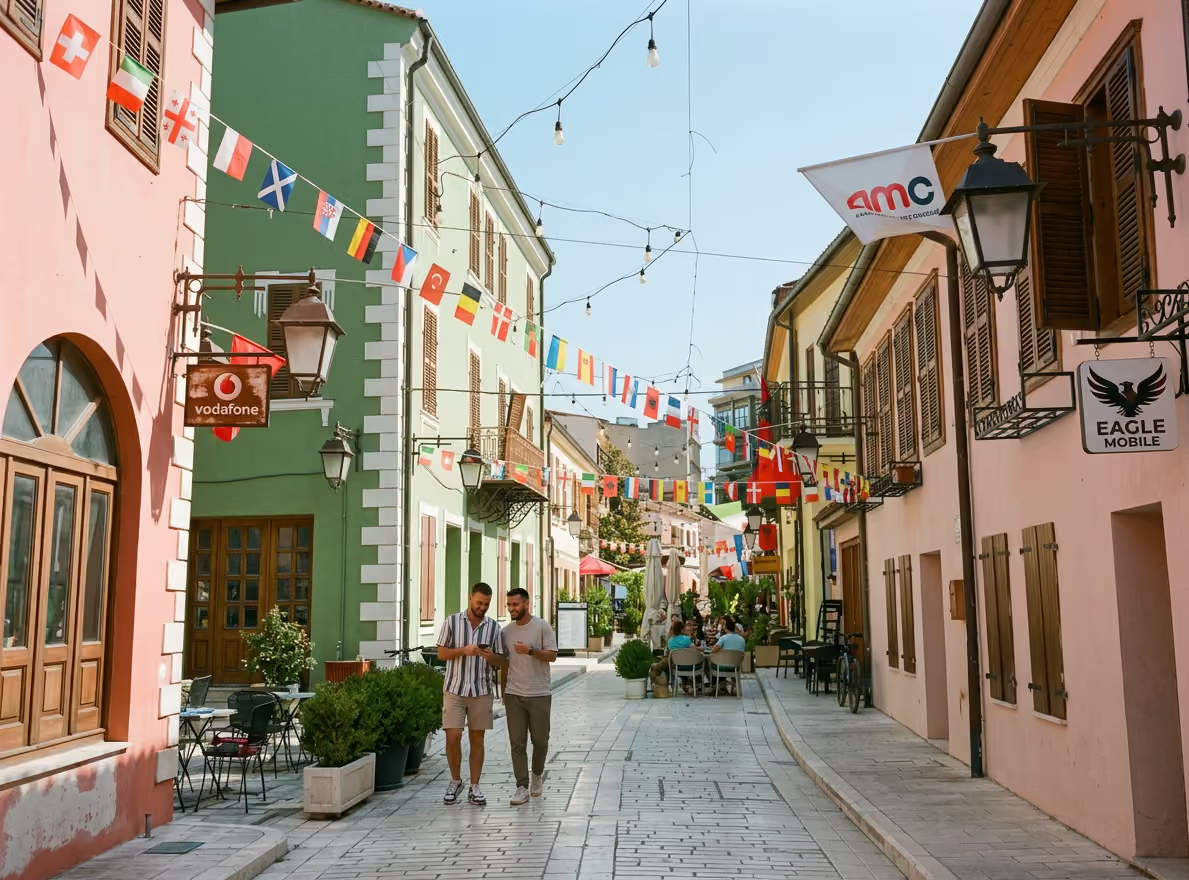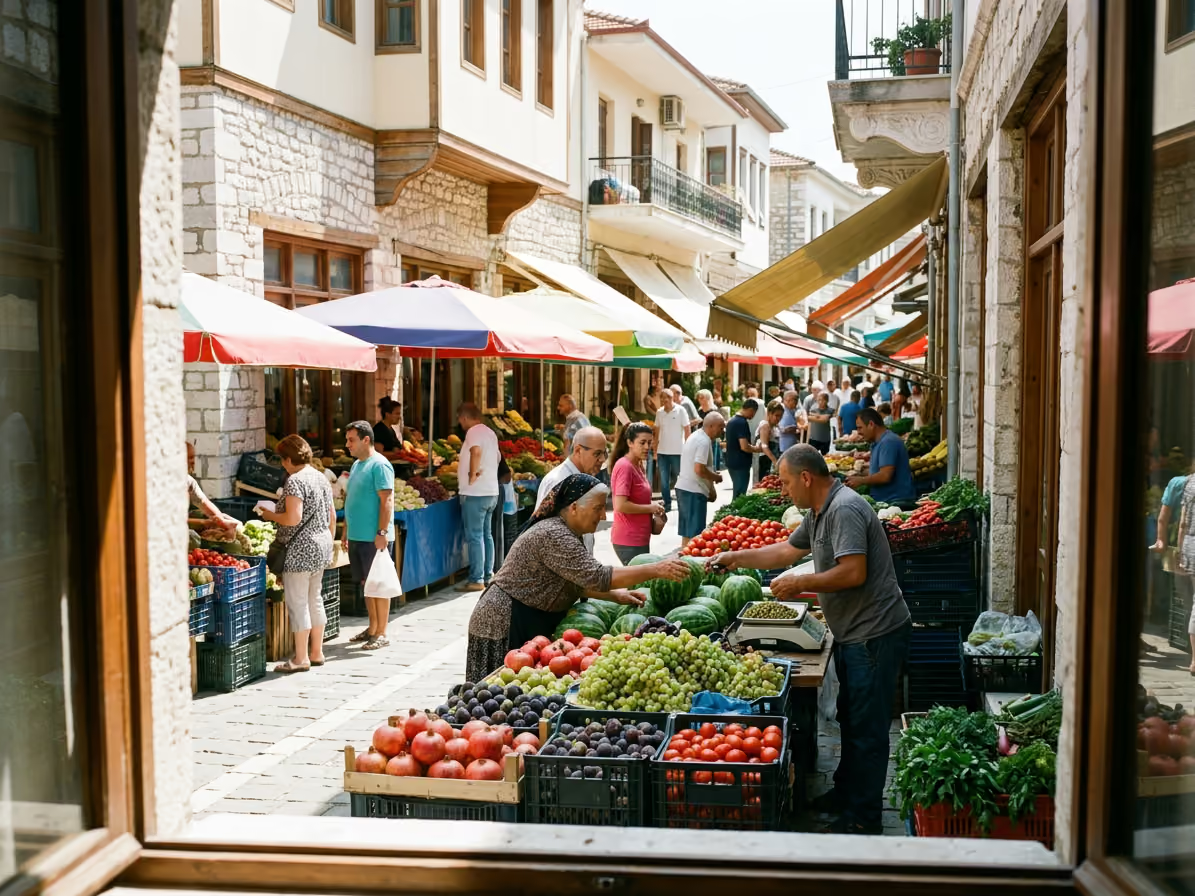
Representative image

Driving across Vlorë seems faster than public transit, but walking and local buses save far more time during busy coastal traffic hours.





Transport update, September 2026: Vlorë's bus stops, departure points and some schedules changed during 2026. For current city routes, intercity departures, airport buses and timetable information, use our current Vlorë bus schedule. Treat older transport details below as background unless they match the current schedule page.
You likely searched this after losing too much time guessing which bus goes to the beach, whether taxis are fair, or how long it really takes to get from the center to the hills. The short answer is this: in Vlorë, the best daily commute is usually a mix of walking, city buses, and selective taxis, not a private car.
For most newcomers, the smartest base is near the city center, Skela, or the Lungomare, then use the flat waterfront on foot and the 40 Lek city bus for beach runs. Save cars or scooters for off-peak trips south of Radhimë, hillside errands, and full-day Riviera routes.
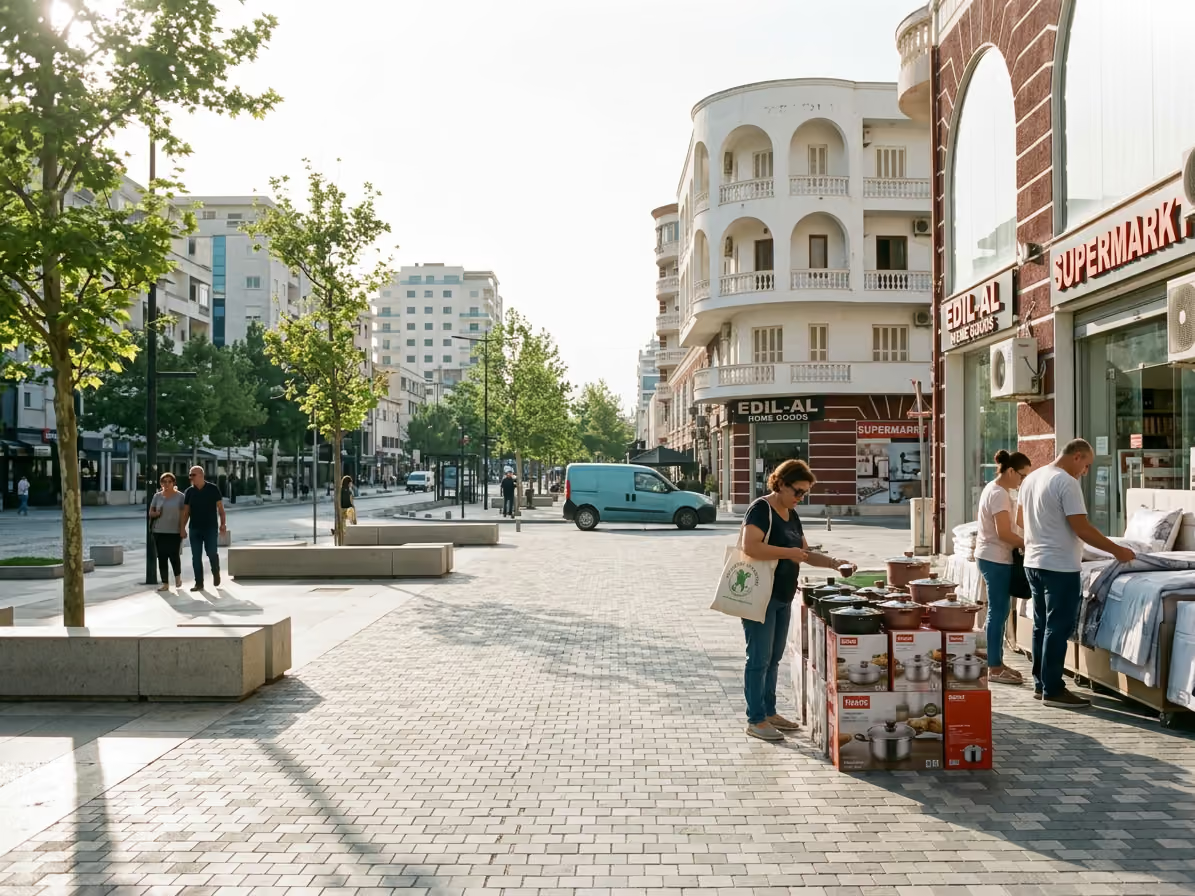
Vlorë is not a huge city, but it can still waste your time if you treat it like a simple beach town. The city stretches from the older center around Flag Square and the Independence Monument area, through Skela, then along the Lungomare toward Uji i Ftohtë and the southern beach road.
That shape matters. A short trip on the map can feel slow if it crosses traffic near the center, beach parking zones, or summer bottlenecks on the coastal road. A longer route can feel easy if it follows the promenade, where the walking surface is flat and direct.
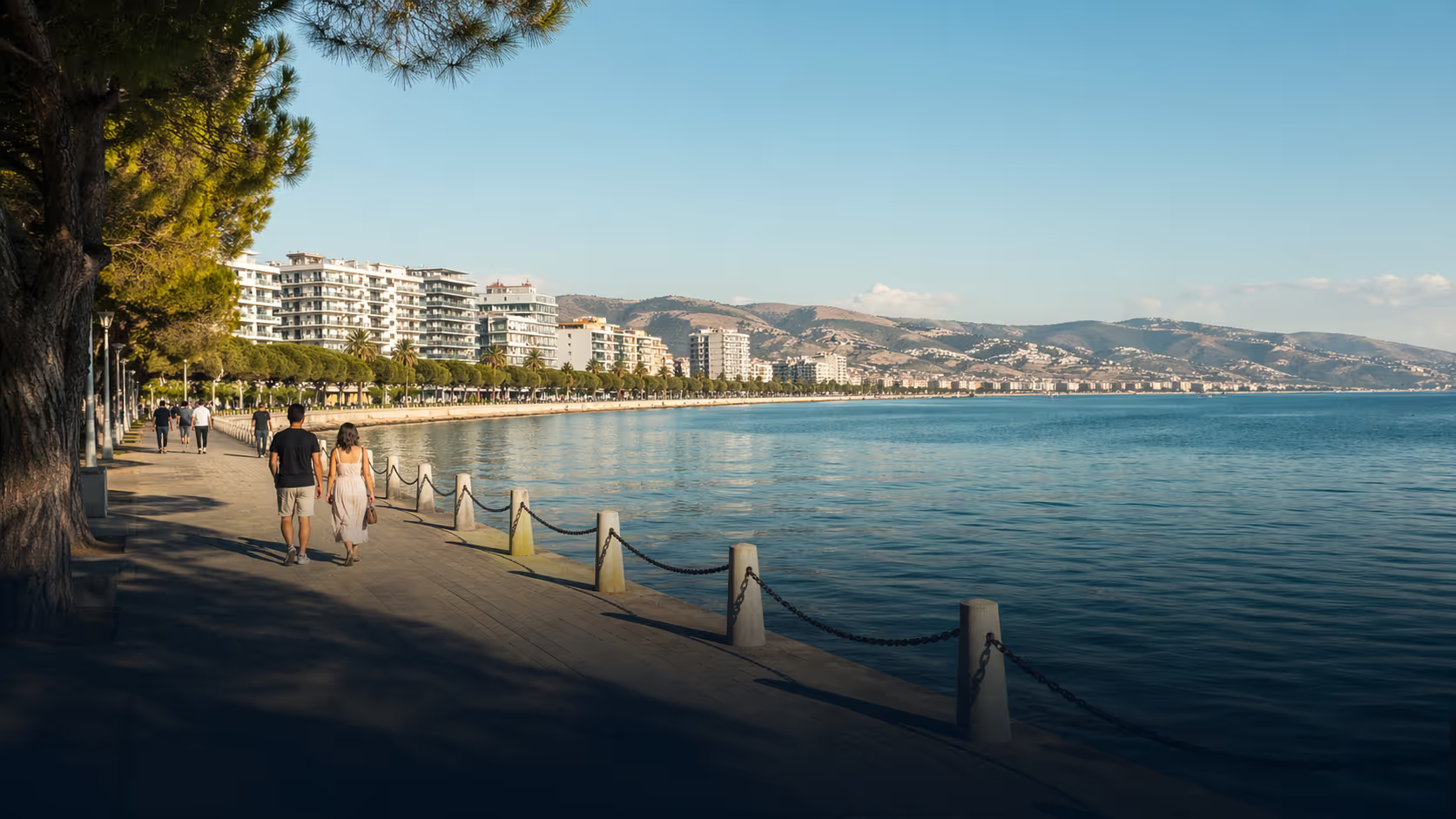
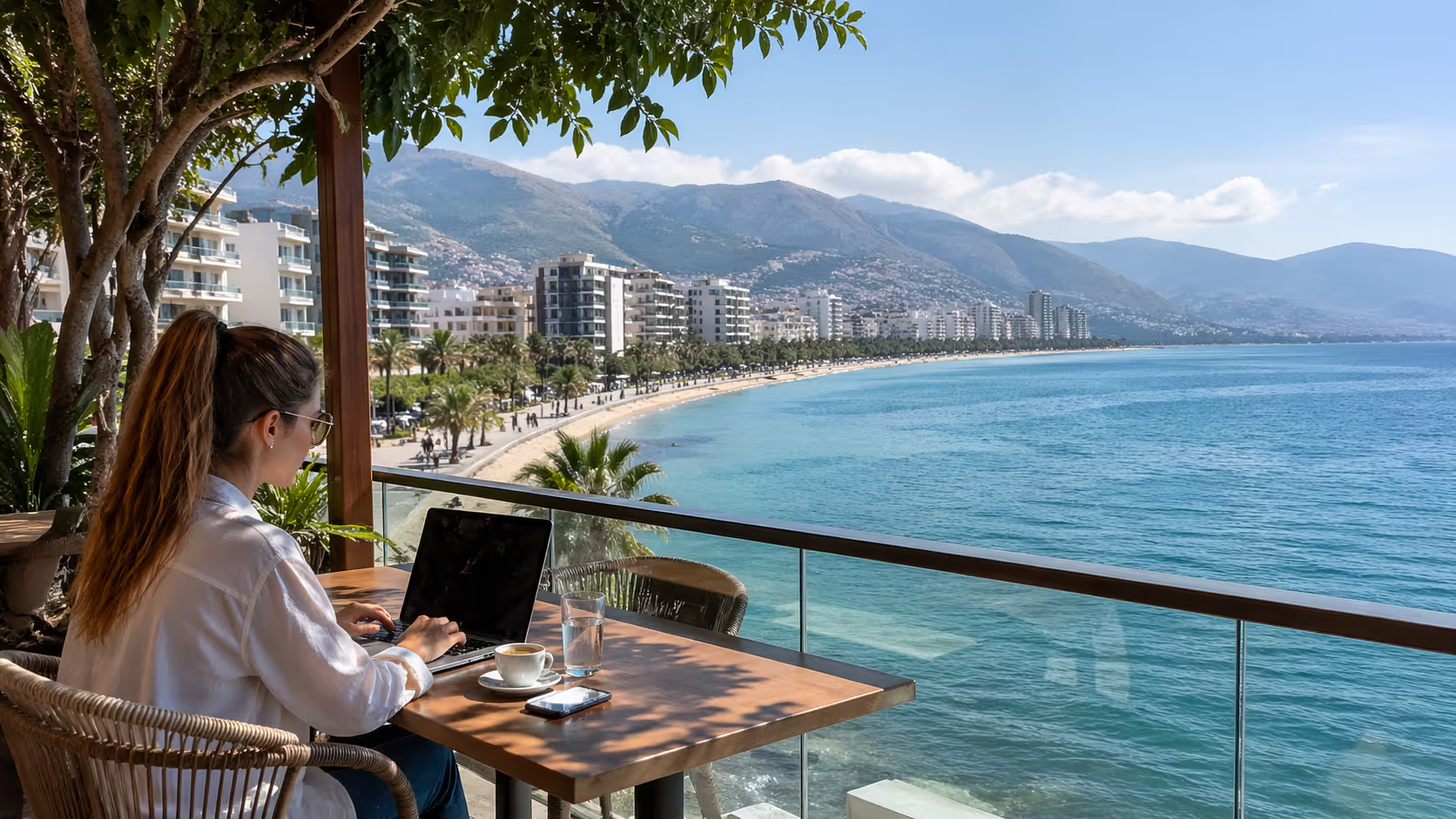
The Lungomare Promenade is the daily spine of Vlorë. Albanian Tour Guide describes it as a wide waterfront area that connects the city with the beach zone. For remote workers and retirees, it is more than a scenic strip. It is a practical walking route for errands, calls, coffee stops, and slow resets between work blocks.
Vlorë’s transport logic changes by season. From October to May, you can often cross the city with less stress. In July and August, beach roads fill up, parking gets harder, and buses can feel packed during popular hours.
The biggest mistake is assuming a car is always faster. In the center and along the Lungomare, walking plus a short bus ride can beat a car once you count parking time. Near the beaches, a car can sit unused after you spend 20 minutes looking for a legal spot.
For daily life, split Vlorë into three commute zones. The first is the center and Skela, where walking wins often. The second is Lungomare and the southern beaches, where walking and city buses work best. The third is the hills, Radhimë, Dhërmi, Himarë, and remote coves, where buses need buffers and taxis fill gaps.
The local habit is flexible movement. People ask drivers, flag buses, negotiate taxis, and adjust plans based on heat, traffic, and weather. Newcomers who expect rigid timetables can get frustrated fast.
The better mindset is simple. Build a main route, add a backup route, carry small cash, and leave a time buffer when the trip matters.
A good Vlorë commute is not only the fastest route on a map. It is the route that protects your work focus, avoids parking stress, and keeps costs predictable.
An optimized path here means a route that combines modes. That can mean a walk to the Lungomare, a city bus south, then a short taxi for the last hill. It can mean walking 20 minutes to avoid a car queue. It can mean taking the intercity bus to a beach town, then asking the driver where to get off.
Use this matrix as your starting point.
| Destination type | Best daily mode | Usual time range | Typical cost | Best hack |
|---|---:|---:|---:|---|
| City center, Skela, Flag Square | Walk or short city bus | 10 to 30 minutes | 0 to 40 Lek | Walk early, use shaded side streets near midday |
| Lungomare cafés and beach strip | Walk, bike, or city bus | 10 to 35 minutes | 0 to 40 Lek | Turn calls into promenade walks |
| Uji i Ftohtë and southern beach edge | City bus plus walk | 20 to 45 minutes | 40 Lek | Ride south, walk back along the sea |
| Radhimë and nearby beach areas | City bus, taxi, or car off peak | 30 to 60 minutes | 40 to 100 Lek by bus | Avoid car parking during summer lunch hours |
| Dhërmi and Himarë | Intercity bus plus taxi or walk | 2 to 3 hours | Around 700 Lek to Dhërmi | Add a 30 minute schedule buffer |
| Porto Palermo and farther south | Intercity bus with driver request | 2.5 hours or more | Route fare plus possible extra | Ask before boarding where the bus can stop |
| Grama Bay and remote coves | Boat tour, local boat, or full-day trip | Half day to full day | Varies by operator | Treat it as a leisure day, not a commute |
Sandal Tan Man’s Albania bus guide gives useful route data for intercity travel from Vlorë. It lists Tirana to Vlorë buses running every 30 minutes during the day, with fares around 500 to 700 Lek and travel time near 3 hours. It lists Vlorë to Dhërmi at around 700 Lek and about 2.5 hours.
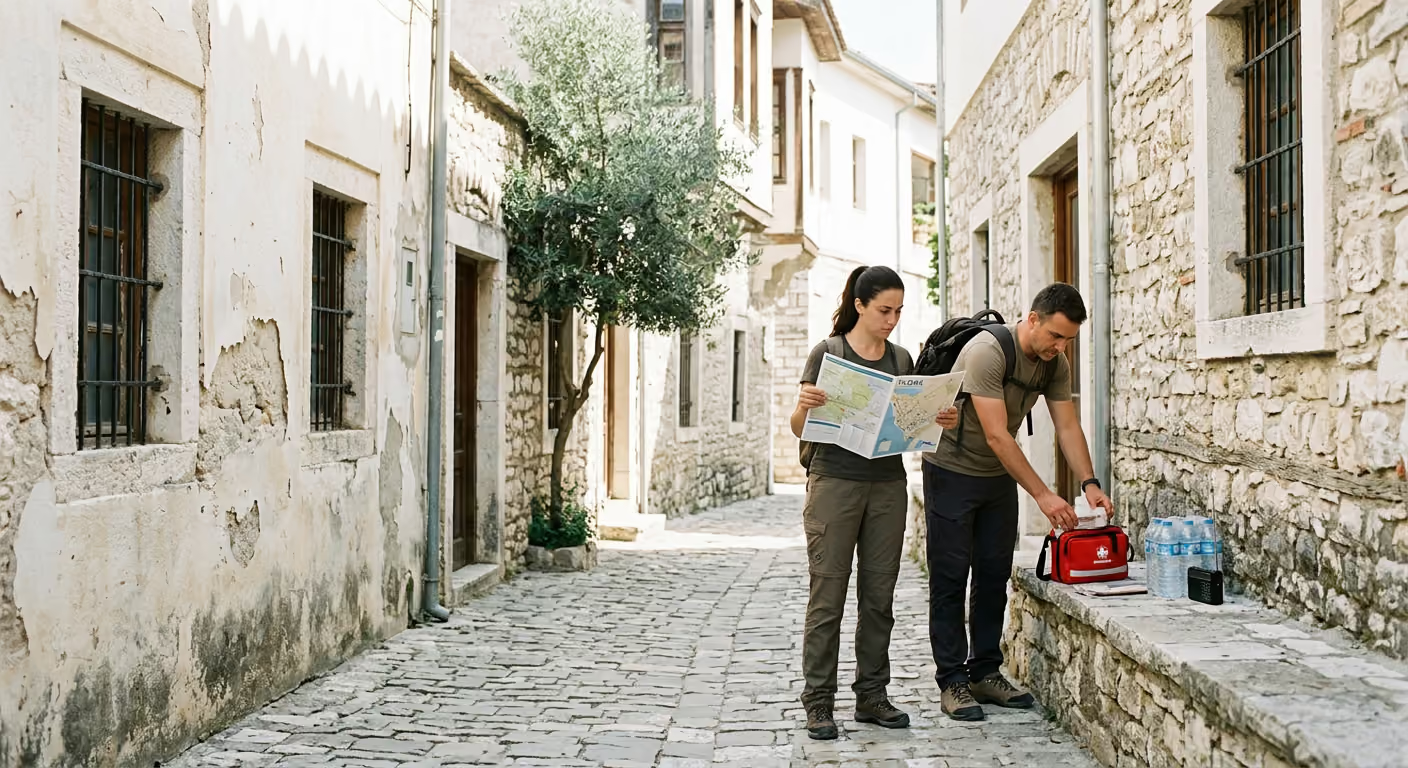
Those numbers are useful, but they do not tell the whole story. Albanian bus schedules can be fluid, and some buses leave early. If you need to catch a meeting, ferry, or onward bus, arrive early and build a buffer.
For the city and beach strip, the 40 Lek city bus is the basic money saver. It is cheap enough for daily use, and it helps you avoid parking hunts along the Lungomare. A practical Vlorë beach bus video on YouTube shows the real pattern many residents use, bus from the center, then walk the coast.
The matrix works best when you set the purpose of the trip first. A work commute needs predictability. A beach afternoon can accept delays. A hill trip needs backup cash for taxis.
This is where many newcomers lose time. They choose a route based on distance, not the task. A 3 km walk on the promenade may be better than a 3 km drive in summer traffic. A 40 Lek bus ride may be better than a scooter rental if you plan to sit at a beach café for three hours.
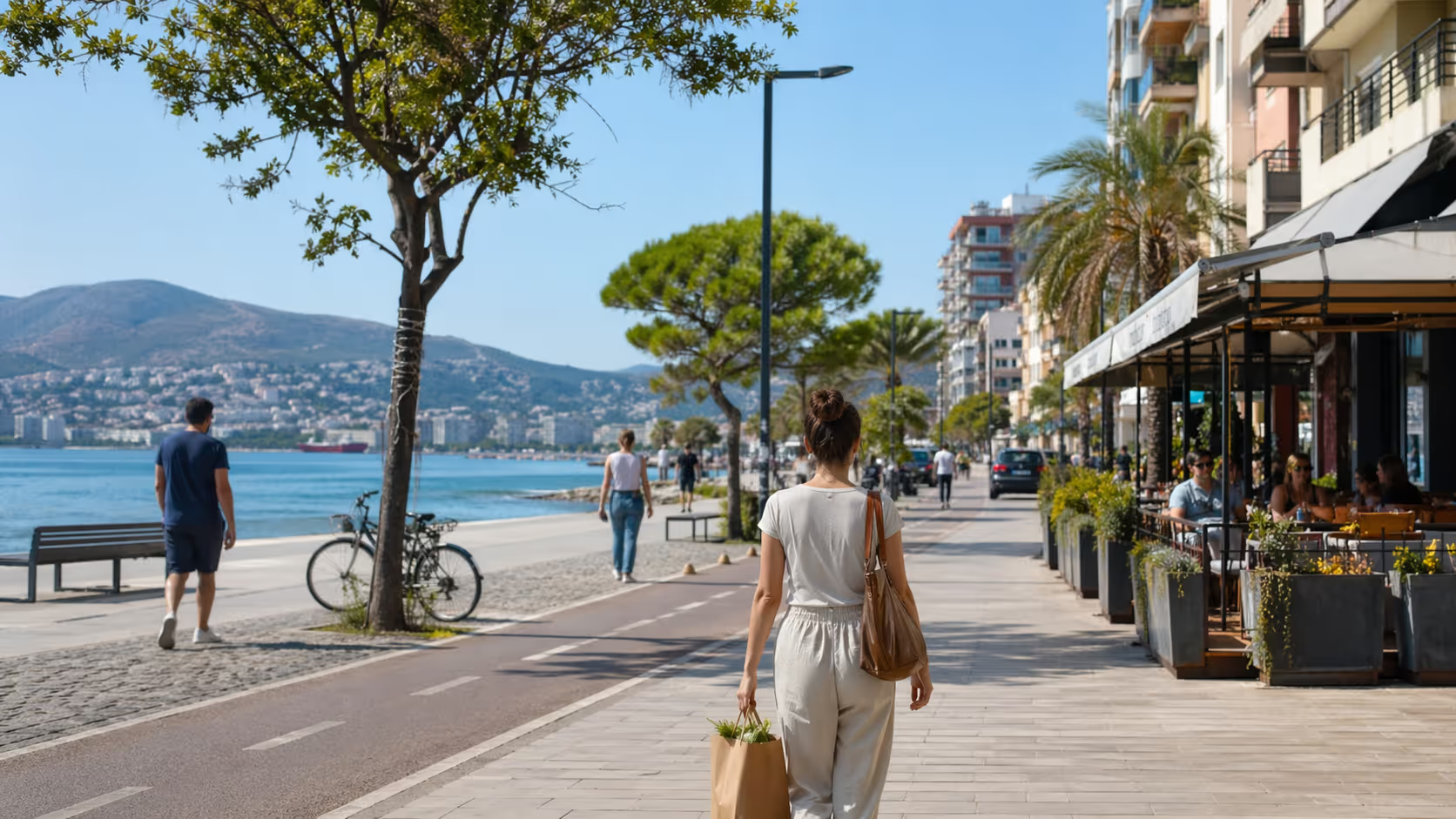
The easiest daily movement in Vlorë is the line between the center, Skela, and the Lungomare. If your apartment is near Rruga Sadik Zotaj, Skela, or the promenade, you can handle many errands without a car.
For city center errands, walk first. The center has shops, pharmacies, banks, mobile stores, bakeries, and local offices within a compact area. Cars can feel useful until you need to park near a busy corner.
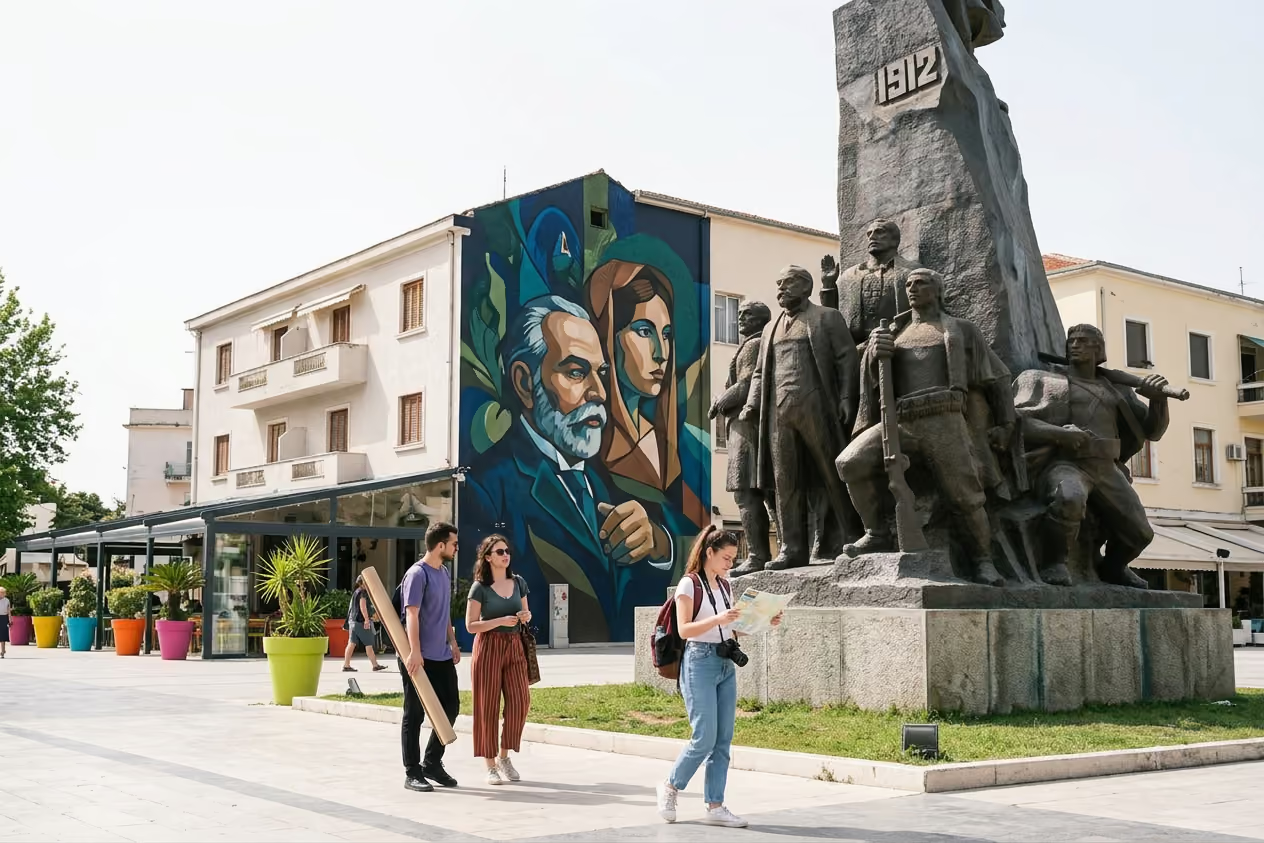
The Independence Monument area still matters as a local reference point. Many older guides mention it for bus stops, and many residents still use it when giving directions. Sandal Tan Man notes that the primary intercity bus terminal has moved to Rruga Demokracija, so use the monument as a landmark, not as your only transport plan.
For Skela, the route is simple. Walk from the center toward the port side, then onward to the Lungomare. This is a strong daily route for people who work from home and need movement between calls.
The Lungomare is the strongest “zero-waste” commute in the city. If you need to take a call, listen to Albanian lessons, or clear your head, walk the promenade instead of sitting in a café. You move between useful areas and keep your day from breaking into random dead time.
A good remote worker pattern looks like this. Start the morning in the center with errands or a gym stop. Walk to Lungomare for a coffee and one work block. Take the bus back before lunch heat or walk back around sunset.
Retirees often use the same route at a slower pace. The flat waterfront is easier than the hilly streets above Uji i Ftohtë. Benches, cafés, and sea views make it practical for daily movement without needing a fitness mindset.
If you live near the promenade, your best commute hack is to plan errands in clusters. Do pharmacy, fruit shop, bank, and coffee in one loop. Do not cross town three times in one day for small tasks.
If you live closer to the old center, use the promenade as a planned outing, not a random add-on. Walk down after your main work block, then ride back by bus if you are tired. This keeps your schedule clean.
For summer, morning matters. Do center errands before the heat builds. Use the Lungomare for movement before 10:00 or after 18:00 when the light is softer and the pavement feels easier.
For winter, rain changes the plan. Carry a light jacket and shoes with grip. Coastal walks are still useful, but wind can make a 25 minute walk feel longer.
The main beach commute runs south from the center and Lungomare toward Uji i Ftohtë, then farther toward Radhimë and the coastal road. This is where newcomers most often overspend on taxis or lose time with rental cars.
City buses are the default option for short beach runs. Research sources note local city buses at around 40 Lek per ride. For daily beach access, that fare is hard to beat.
If your plan is a simple beach swim near the Lungomare or Uji i Ftohtë, do not rent a car. Walk or take the bus. You will save money, avoid parking stress, and stay flexible.
Radhimë is a different case. Ferryhopper lists Radhimë among the beach areas near Vlorë, known for calmer water and restaurants. It sits south of the city, so the commute needs more planning than a promenade swim.
For Radhimë, start with the bus when you can. Ask near your closest stop or at the terminal area for the bus heading south. Carry small notes or coins for fare. Do not expect a polished sign system at every stop.
If you are going for the full day, the bus makes sense. If you are carrying a laptop, beach gear, and groceries, a taxi may be worth it one way. Split among two or three people, a taxi can be reasonable for the return.
The best Radhimë pattern for remote workers is a half-day split. Work early from home or a café in Skela. Take the bus south after lunch. Return before dinner traffic or stay until after the peak leaves.
For beach cafés south of the main promenade, ask about Wi-Fi before ordering if you plan to work. Some places are fine for email and calls. Others are built for leisure, not stable remote work.
A car becomes useful when you are visiting several beaches in one day. It is less useful when you plan to sit in one beach club for four hours. Summer parking near popular beach zones can erase any speed advantage.
Scooters can help on short southbound runs, but they come with tradeoffs. The heat, road confidence, and traffic style matter. If you are new to Albanian roads, practice away from the busiest beach hours before using a scooter as a daily tool.
A smart beach bag includes cash, water, power bank, and a light layer. Buses may run later than your ideal plan. Taxis may need negotiation. Your phone battery is part of your commute system.
For people staying north of the Lungomare, the beach run takes more time. Add a short city bus segment or walk down to the promenade first. From there, the route becomes easier to understand.
The hills and Riviera routes are where Vlorë stops being a simple city commute. South of Radhimë, the road becomes more scenic, more winding, and less suited to daily work timing.
The SH8 coastal road is famous for good reason. Albanian Tour Guide highlights the coastal route south from Vlorë toward places like Dhërmi and Himarë. It is beautiful, but it is not the road you want to depend on before a 9:00 video call.
For Dhërmi, Sandal Tan Man lists a Vlorë to Dhërmi bus at around 700 Lek, with a travel time near 2.5 hours. That makes Dhërmi a day trip or overnight plan, not a daily commute for most people.
The bus may not drop you directly at the beach. In many Riviera towns, the main road sits above the water. You may need to walk downhill, take a taxi, or arrange pickup from accommodation.
This is the classic newcomer surprise. The map says you are “in Dhërmi,” but your guesthouse or beach café is still a steep walk away. Pack light, especially in summer.
Himarë and Porto Palermo need the same mindset. Sandal Tan Man notes that southbound routes can stop at places like Himarë or Porto Palermo when you ask the driver. The key is to confirm before boarding and remind the driver near the stop.
For remote workers, the Riviera is best used in blocks. Spend three or four days in Dhërmi or Himarë if you want to work there. Do not attempt to commute back and forth from Vlorë for normal workdays.
For retirees or slow travelers, the bus can be a low-cost way to see the coast. The tradeoff is comfort and time. Carry water and expect a long day.
Grama Bay is a separate category. Ferryhopper mentions Grama Bay as one of the area’s striking beach spots, but it is not a simple public transport destination. Treat it as a boat trip or organized full-day outing from Vlorë.
The same applies to remote coves south of the city. Public buses can get you near some turnoffs, but the last segment may be steep, hot, or unmarked. A taxi, boat, or local tour may be the safer choice.
For hills above Vlorë, taxis are often the practical answer. Walking uphill can be fine in cooler weather, but it can drain your energy before work. Use taxis for the climb, then walk down if the route feels safe.
If you rent a car for the hills, go early. You want daylight, cooler temperatures, and fewer cars. Return before dark if you are not confident on winding roads.
Rainy off-season days need more caution. Coastal and hillside roads can feel slick. If the plan is optional, move it to a clear day.
The most useful transport fact for newcomers is this: do not rely only on old Vlorë bus stop information. Sandal Tan Man’s updated Albania bus guide notes the main Vlorë bus terminal is now on Rruga Demokracija.
Search for “Bus Terminal Vlora” on Google Maps before any intercity trip. The terminal is north of the older central reference points. Give yourself time to walk there or take a short taxi if you have luggage.
The Independence Monument area still appears in older blog posts and local directions. It can still help you orient yourself. It should not be your only plan for an early bus.
For Tirana, Sandal Tan Man lists Vlorë buses running often through the day, with fares around 500 to 700 Lek and travel time near 3 hours. For airport access, some direct airport buses cost more, with research noting around 1,200 Lek for a direct airport link.
From Tirana International Airport to Vlorë, Albanian Tour Guide places the drive or bus time around 2 to 2.5 hours in many cases. In real life, allow more time if you have a flight, heavy luggage, or a transfer in Tirana.
Vlorë International Airport has been discussed for years, but newcomers should not build plans around it until service is confirmed for their travel date. Use Tirana International Airport as the reliable default.
For Durrës, Sandal Tan Man lists frequent buses from Vlorë, with early departures and fares in the same broad range as other major city links. This matters if you need ferries, rail links, or appointments outside Vlorë.
For Sarandë, the same guide lists multiple daily buses from Vlorë, including coastal and inland variants. Ask which route the bus takes before boarding. The coastal version suits Riviera stops, but timing can be longer.
Bus habits are social. Ask the driver, ask the ticket helper, and ask another passenger if you are unsure. Many routes work on practical communication rather than polished signage.
Arrive early for intercity buses. A bus that is listed for a certain time may fill or leave before you expect. A 20 to 30 minute buffer is not wasted time if you use it to buy water, check messages, and confirm your stop.
For city buses, expect less formal structure. Watch where locals wait. Keep 40 Lek ready. Tell the driver or helper where you want to get off if you are unsure.
If you miss a bus, do not panic. On core routes, another option may come soon. For Dhërmi or less frequent southbound routes, missing one bus can change the whole day.
Ride-hailing in Vlorë is not the same as in larger European capitals. You may find app options at times, and platforms can change. Still, informal taxis and local taxi numbers remain the more dependable fallback, especially for hills and late returns.
Before you ride, agree on the price or confirm that the meter will be used. Use simple language and show the destination on your phone. If the price feels high, ask another driver before getting in.
For short city rides, taxis are best used as a tool, not a habit. A taxi from the center to the Lungomare can be convenient in rain or with bags. Used daily, it can quietly eat your budget.
For hillside errands, taxis make more sense. A 20 minute uphill walk in hot weather can wreck your afternoon. Pay for the climb, then use the walk down as your exercise if the route is comfortable.
For beach returns after sunset, taxis can be the better choice. Buses may be less predictable late in the day. If you are south of Uji i Ftohtë with a tired child, groceries, or beach gear, the taxi fare may be worth it.
For groups, taxis can compete with bus costs on certain routes. Four people splitting a short ride may pay only a little more than bus fare each. The time saved can matter on workdays.
For solo travelers, buses win on price. A 40 Lek city bus ride is hard to beat. Use taxis for gaps, not for every movement.
Ask your landlord, café owner, or neighbor for a trusted taxi contact. Save two numbers, not one. If a driver is busy, you need a backup.
Apps can help with maps, translations, and price checks. Google Maps is useful for location sharing and walking estimates. A translation app helps when asking for a stop or price.
Do not assume app coverage in remote beach or hill areas. Your phone may show a route, but that does not mean a driver is nearby. Plan the return before you leave.
If you use a scooter or car rental, inspect it before leaving. Take photos of scratches, fuel level, helmet, and plate. Ask about parking rules near your apartment and beach areas.
For airport transfers, compare direct bus, shared taxi, and private transfer. A direct bus can save money. A private transfer can make sense for late flights, heavy luggage, or two people splitting the fare.
For ferries, Vlorë has Italy links. Ferryhopper lists Brindisi to Vlorë ferries at about 6 to 8 hours, with daily year-round service and more frequency in high season. Ferries are useful for regional travel, not for daily commuting.
A lean commute budget in Vlorë starts with walking and city buses. That keeps your baseline low, then lets you spend on taxis only when they solve a real problem.
Here are common transport costs from the research set.
| Route or mode | Typical cost |
|---|---:|
| City bus ride | Around 40 Lek |
| Tirana to Vlorë bus | Around 500 to 700 Lek |
| Vlorë to Dhërmi bus | Around 700 Lek |
| Direct airport bus option | Around 1,200 Lek |
| Short added stop request on some south routes | May be around 100 Lek in reported examples |
| Ferry Brindisi to Vlorë | Varies by operator and season |
A low-cost weekly city pattern could look like this. Walk most center and Lungomare routes. Take the city bus six times. Use one taxi for rain, groceries, or a hill trip.
At 40 Lek per city bus ride, six rides cost about 240 Lek. That leaves room for one or two taxi rides without making transport feel expensive. The real savings come from skipping car rental and parking stress.
A beach-heavy week costs more, but still stays manageable by bus. Five return beach trips by city bus can still be cheaper than one day of car rental. You save more if your accommodation is near the Lungomare.
A work-focused week should spend money on certainty. If a taxi prevents you from missing a call, use it. If a bus saves 1,000 Lek but adds stress before a client meeting, it may not be the right choice that day.
A day trip to Dhërmi is not a small commute. The bus fare is manageable, but the time cost is high. Add food, coffee, a taxi downhill, and a possible backup taxi if the return plan fails.
For airport travel, the cheap choice is not always the best choice. If your flight is early, overnight, or after a long ferry, a private transfer can protect your energy. If your arrival is daytime and simple, the bus route is the better value.
For monthly planning, divide transport into three boxes. Daily movement is walking and city bus. Weekly comfort is taxi money. Monthly roaming is intercity bus, rental car, ferry, or tour.
This helps you avoid the expat trap of renting a car “just in case.” A car used twice a week may cost more than taxis for the same trips. It can still be worth it for families, mobility needs, or apartments far from bus routes.
If you are choosing housing, price the commute before signing. A cheaper apartment high above the Lungomare may need regular taxis. A more expensive apartment near Skela may save money and time over a month.
Ask about parking before renting. “There is parking nearby” can mean many things. It may mean street parking, paid parking, informal space, or a stressful hunt every evening.
Your first week in Vlorë should be about building a personal movement system. Do not wait until the morning of an appointment to learn where the terminal is.
Start with your home pin. Save your apartment, nearest supermarket, nearest pharmacy, and nearest bus stop in Google Maps. Add the Lungomare point you expect to use most, such as a café near the promenade or a beach area near Uji i Ftohtë.
Walk your local loop on day one. Go from your front door to the nearest bakery, ATM, fruit shop, and main road. Time it at normal pace, not vacation pace.
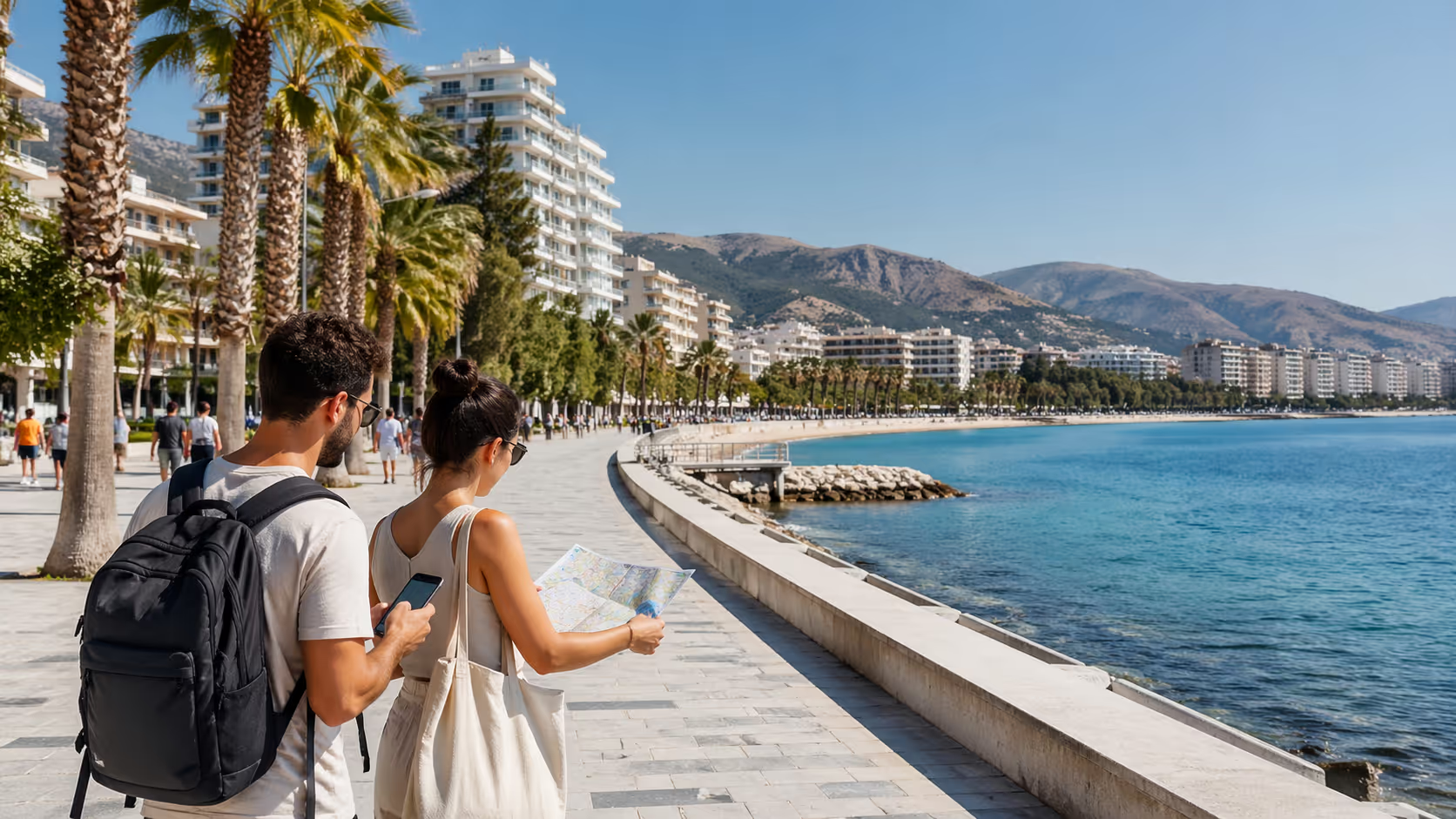
Find the bus terminal on Rruga Demokracija before you need it. Walk there once or take a short taxi. Look for where buses gather, where passengers ask questions, and where you would stand with luggage.
Test the city bus with a low-stakes trip. Take it from the center toward the Lungomare or beach strip. Keep 40 Lek ready and watch how people pay.
Save taxi contacts early. Ask your host, landlord, café owner, or another resident for reliable drivers. Save at least two names and label them clearly.
Set your default walking route to the Lungomare. This becomes your mental reset route. It is the one you can use when taxis are busy, buses feel unclear, or you need movement after a long work block.
Build a rainy-day plan. Know the taxi number you will call, the café you can work from, and the bus stop with some cover. Rain can turn a normal walk into a poor choice.
Build a summer heat plan. Move early, rest midday, and commute again later. The route that feels easy in April may feel draining in August.
If you work online, test mobile data along your regular route. Walk from home to the promenade and check signal near your preferred cafés. A commute route is better when it supports messages and calls.
If you have children, test school or activity routes at the real time of day. Morning traffic feels different from an afternoon walk. Do one trial run before the first important day.
If you are retired or moving slower, test benches and rest stops. The Lungomare is friendly for this, but side streets vary. Mark cafés that are easy to enter and leave.
By the end of week one, you should know five things. Your best walking loop, your closest city bus point, your taxi backup, your terminal route, and your bad-weather plan. That is enough to feel in control.
The romantic version of Vlorë is easy to love. You imagine sea walks, cheap buses, lazy afternoons, and quick trips to Riviera beaches. Some days really do feel like that.
Daily life is more mixed. Buses can be unclear. Drivers may leave earlier than expected. Beach roads can clog up in summer. Parking can turn a simple swim into a small battle.
The city rewards patience and local habits. Ask questions. Confirm the destination. Carry cash. Leave earlier when the trip matters.
The biggest culture shock for many newcomers is the lack of rigid transport order. You may not find perfect signage or live bus tracking. You learn by doing, watching, and asking.
This can feel stressful during the first two weeks. After that, most residents build a rhythm. They know which trips are worth a bus, which need a taxi, and which should wait for cooler hours.
The second shock is that scenic routes are not always practical routes. The SH8 road south is memorable, but it is slow and winding. It is perfect for a free day, not for a packed work schedule.
The third shock is that Vlorë’s best commute may be walking. Many newcomers overlook this. The promenade is flat, useful, and connected to real daily needs.
Walking is not only about saving money. It gives structure to a remote workday. It helps you separate home time from work time without needing a formal office.
The fourth shock is summer crowding. July and August change the city. If you live near the beach strip, noise and traffic may rise. If you live in the center, beach access can take longer than it did in May.
The off-season has its own tradeoffs. Rain and wind can make walking less pleasant. Some beach businesses run shorter hours. Taxis and buses still work, but your routines may shift indoors.
For most expats, the winning approach is flexible but not random. Have fixed anchors, like your grocery route and work café. Keep flexible choices for beach days and hill trips.
The main intercity reference point is Bus Terminal Vlora on Rruga Demokracija. Use this for trips to Tirana, Durrës, Sarandë, Dhërmi, and other cities. Check the current pin in Google Maps before departure.
The Independence Monument area remains useful for orientation. It is a known central landmark and appears in older transport advice. Treat it as a meeting point and city reference, not as your only bus terminal plan.
The Lungomare Promenade is your daily walking base. Use it for low-stress movement between Skela, cafés, beach areas, and Uji i Ftohtë. It is the most reliable route when you want time outside without transport cost.
The port area matters for ferries. Ferryhopper lists Vlorë’s ferry connection with Brindisi, with crossings around 6 to 8 hours. If you plan regional travel, check ferry operators and seasonal schedules before booking.
Rruga Demokracija matters for intercity buses. Radhimë and the south beach road matter for beach runs. SH8 matters for Riviera trips and hill routes.
For taxis, the best contact list is local. Ask people who live near you. A driver who works your neighborhood is often more useful than a random number from a sign.
For apps, keep the setup simple. Google Maps for pins and walking. A translation app for stops and fares. Your bank app or currency converter for quick price checks.
For community help, ask people who commute in the same pattern. A retiree in Uji i Ftohtë has different advice from a remote worker in Skela. A parent near the center knows different timing than a beach café regular.
Vlore Circle exists for this kind of practical local exchange. If you want current taxi tips, bus stop details, and real resident routes, Join the community and ask people who are using these routes this week.
The Skela to Uji i Ftohtë corridor is one of the most useful areas for newcomers who want a balanced Vlorë commute. It sits between the city center and the southern beach direction, with the Lungomare as the main movement line.
Skela is practical for errands. You are closer to banks, shops, offices, cafés, and the port side. It works well for people who do not want to depend on taxis every day.
The Lungomare section is the lifestyle corridor. It suits walkers, remote workers, retirees, and anyone who wants sea access without leaving the city. It can get busy, but it keeps your transport simple.
Uji i Ftohtë is better for beach access and a quieter feel in some pockets. The tradeoff is distance from the old center. If you choose housing here, test the bus and taxi options before signing.
For remote workers, Skela gives the best balance. You can walk to the promenade, reach the center, and still get south by bus. Your workday has choices without needing a vehicle.
For retirees, Lungomare and lower Uji i Ftohtë can be comfortable if the apartment is not too high on the hill. Always check the slope from the main road to the front door. A flat map can hide a hard daily climb.
For families, the right choice depends on school, parking, and grocery access. A beach view is nice, but a steep walk with bags can get old. Test the route at the time you would really use it.
For summer, the corridor gets busier near the water. If noise bothers you, look one or two streets back from the promenade. If you depend on walking, do not move too far uphill.
This corridor is where the walking plus bus model works best. Walk for errands and focus. Bus for beach distance. Taxi for rain, late nights, or steep hills.
Our best host tip is to stop asking, “What is the fastest way?” and start asking, “What is the least wasteful way for this kind of day?” Vlorë often rewards the route that protects your energy, not the route that looks shortest.
For a workday, take the predictable route. Walk the Lungomare before calls, use the city bus for a beach café, and keep a taxi number for the return. Do not gamble on a long southbound route before a meeting.
For a beach day, accept slower timing. Pack light, carry cash, and ask the bus driver where to get off. If the return feels uncertain, agree on a taxi before sunset.
For a Riviera day, treat the bus like part of the plan. Arrive early, confirm your stop, and do not schedule tight commitments after return. Dhërmi and Himarë are worth the trip, but they are not quick errands.
For housing, test the commute before you fall in love with the balcony. Walk from the front door to the nearest bus point. Walk back with groceries. Try it in the heat if you are viewing in summer.
For taxis, build relationships. A driver who knows your building, your language level, and your regular destinations can save stress. Pay fairly, be clear, and keep backup contacts.
For walking, use the promenade as your daily anchor. It is the closest thing Vlorë has to a dependable, free commute tool. It keeps you connected to the city without draining your wallet.
For newcomers, the first month is not about perfect routes. It is about learning the rhythm. After a few weeks, you will know when to walk, when to ride, and when to stay put.
Use this checklist to build your Vlorë commute system now.
Follow Vlore Circle for fresh guides, local updates, and community notes around life in Vlorë. It is the easiest way to stay close to what we are building.

Be part of a growing community built around connection, local life, and a better experience of Vlorë.
join the circle