Representative image

Emergency preparedness for expats in Vlorë requires essential supplies, grab-and-go bags, and local planning to handle coastal storms and earthquake risks safely.





The best emergency kit in Vlorë is not the one with the most gadgets. It is the one you can grab in the dark, carry down your apartment stairs, and use for at least several days if roads, water, cash machines, and power stop working.
Expats in Vlorë should prepare for both earthquakes and storms with a layered system: an under-bed earthquake bag, a 72-hour go bag, small kits for work and the car, and a home stockpile for one to two weeks. Add local details like passport copies, lekë cash, offline maps of Vlorë, sturdy shoes for broken glass, and a plan for moving away from the seafront if flooding or coastal risk becomes serious.
Emergency planning in Vlorë starts with one plain fact. Albania sits in a high-seismicity zone, and the coast adds storm, flood, and power-cut risk to the same household plan.
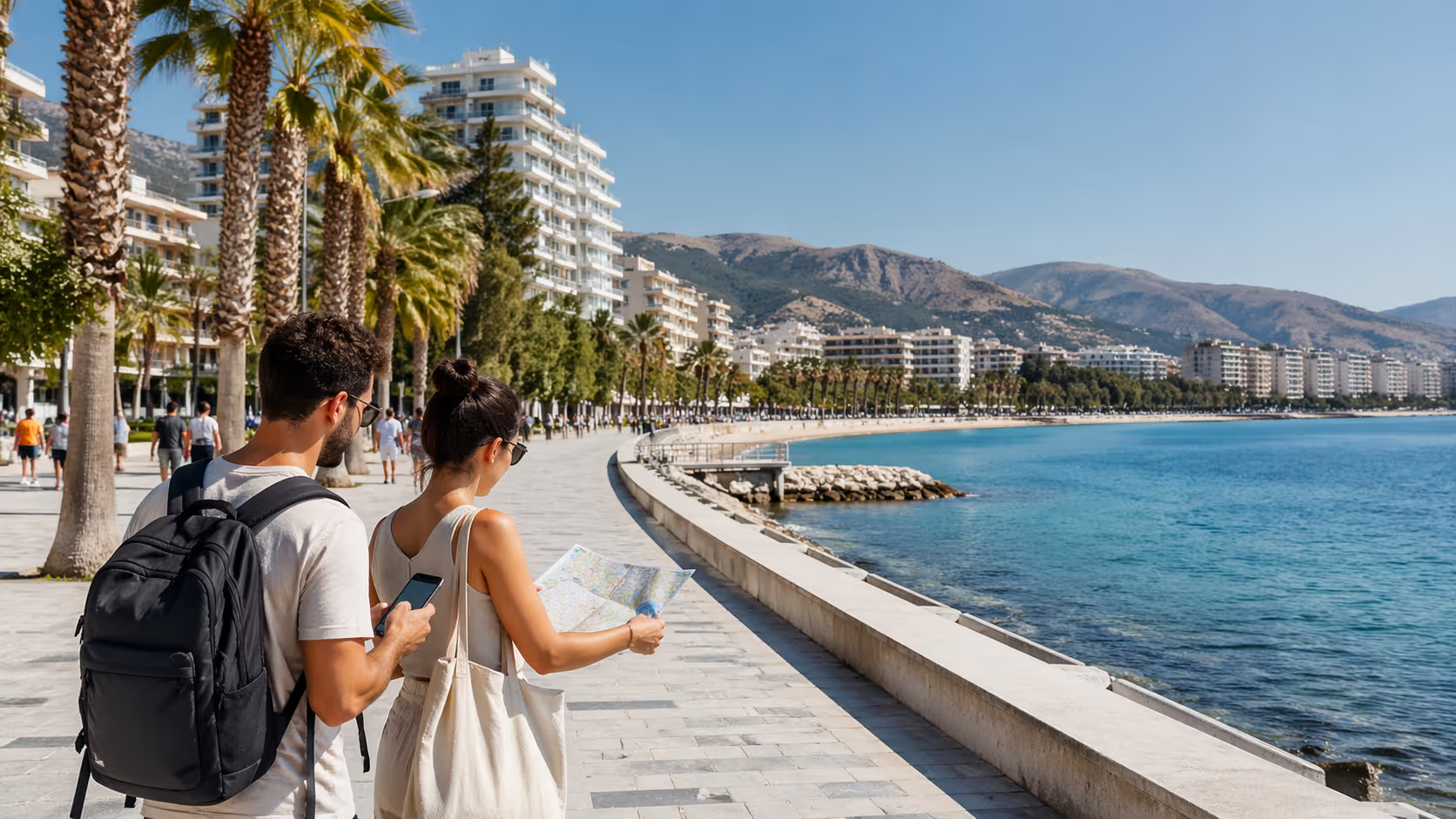
That does not mean you should live in fear. It means your apartment near Lungomare, Skelë, Uji i Ftohtë, or the Old Town should be set up for a rough week. If nothing serious happens, your kit sits quietly in a cupboard. If something does happen, you are not searching for a flashlight with bare feet in broken glass.
The Earthquake Country Alliance teaches the simple earthquake action: Drop, Cover, and Hold On. Drop to your hands and knees, take cover under a sturdy table if one is close, and hold on until shaking stops. This matters in Vlorë apartments, since many people live in multi-story buildings with tile floors, glass balcony doors, and heavy furniture.
The U.S. Embassy in Albania advises people to prepare home, work, and vehicle supplies, and to plan for a period when outside help may not reach you. That advice is practical for Vlorë. A storm can block roads near the coast, and a large earthquake can overload emergency services across more than one city.
The 2019 Durrës earthquake is the event many residents still remember. It killed 51 people, injured more than 1,000, and damaged more than 30,000 buildings. Durrës is north of Vlorë, but the lesson reaches the whole country. Shaking, poor building conditions, and delayed access to services can turn the first hours into the hardest part.
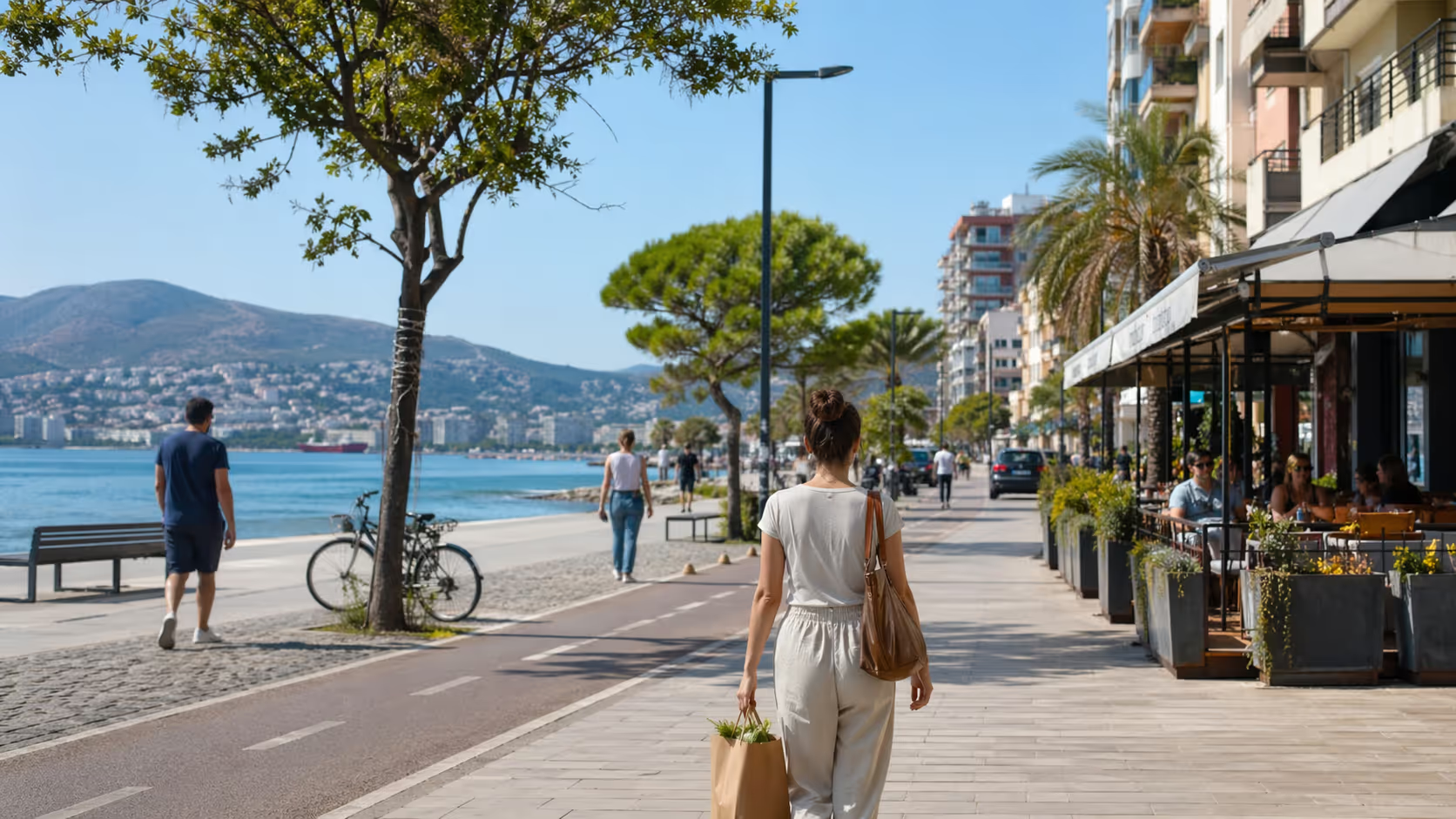
Vlorë has its own local pattern. The city spreads from the port and Skelë toward Lungomare, Uji i Ftohtë, and Kaninë. Many newcomers rent near the sea for the view, the restaurants, and the walkable promenade. Those same areas can be exposed to strong wind, heavy rain, local flooding, traffic jams, and blocked access during bad weather.
A good plan accepts two separate scenarios. In the first, you leave fast. That means your go bag is light enough to carry down stairs. In the second, you stay inside for days. That means you have water, shelf-stable food, battery power, hygiene items, and medicine at home.
Most new expats prepare for travel delays. Fewer prepare for a week without a working elevator, card payments, tap water, or easy pharmacy access. That is the gap your kit needs to fill.
The romantic idea of Vlorë is morning coffee on the promenade, seafood at sunset, and a sea-view balcony. The daily reality is more mixed. You may love the coast and still need a wrench for the water valve, a headlamp by your bed, and a paper copy of your residence documents in a waterproof folder.
A serious kit is not dramatic. It is adult living in a seismic coastal city. It lets you help yourself, then help a neighbor, then wait for trained services without panic.
Your go bag is the kit you take if you must leave your flat in minutes. It should cover around 72 hours. It should fit in a backpack or small duffel that each adult can carry without strain.
Do not build one huge family suitcase. Stairs may be dark, crowded, or damaged. A backpack keeps your hands free for a child, a pet carrier, a railing, or a flashlight.
Start with water. Many global preparedness guides recommend one gallon per person per day for drinking and basic hygiene. For a three-day bag, that is heavy, so balance your plan. Keep some water in the bag, then store more at home near the exit.
Add compact food that does not need cooking. Energy bars, nuts, canned fish, crackers, dried fruit, and baby food if needed all work. Pick foods your family will eat under stress. A perfect ration that nobody will touch is dead weight.
Your medical items should be simple and reachable. Pack bandages, antiseptic wipes, gauze, tape, tweezers, pain relief, antihistamines, stomach medicine, and any regular medication. If you use glasses or contact lenses, add a spare pair or old pair.
For expats, documents are part of first aid for your life admin. Keep photocopies of passports, residence permits, rental contract, insurance papers, and key medical information. Use a waterproof pouch. Add a USB drive only if it is encrypted or contains limited copies.
Cash matters in Albania during outages. ATMs and card terminals can fail after power cuts. Keep small notes in Albanian lekë, plus some euros if that is part of your normal backup plan. Small notes help if shops are open but cannot make change.
Your safety tools should fit earthquake and storm conditions. Pack a headlamp, spare batteries, a whistle, a dust mask, work gloves, a multi-tool, and a small roll of duct tape. A whistle is not silly. It can save energy if you are trapped or need to signal from a stairwell.
Sturdy shoes are non-negotiable. Many earthquake injuries come from glass, broken tile, plaster, and twisted metal. In Vlorë apartments, balcony doors and large windows are common. Flip-flops near the bed are not enough after a hard shake.
Add clothes for the season, not for a holiday photo. In summer, pack a sun hat, light long sleeves, insect repellent, and oral rehydration salts. In winter, pack warm socks, a fleece, rain protection, and a thin thermal layer. Vlorë can feel mild until you are standing outside at 3 a.m. in wind and rain.
For sanitation, pack wipes, toilet paper, hand sanitizer, menstrual products, small trash bags, and any baby needs. After a water outage, hygiene becomes a health issue fast. Keep it basic and practical.
Pet owners need a pet section. Add food, a collapsible bowl, leash, waste bags, medication, and vaccine records. A frightened dog on Rruga Murat Tërbaçi or near the port can bolt. Keep a spare leash clipped to the bag.
For children, add comfort items. A small toy, cards, a notebook, crayons, and snacks can lower stress during waiting periods. You are not trying to entertain them like a holiday. You are giving them something familiar when adults are tense.
Here is a clear 72-hour go bag list for one adult in Vlorë:
Place the bag near your main exit, not at the back of a storage room. If you live near Lungomare, do not hide it behind beach chairs and summer gear. If you live in Skelë, keep it away from damp balcony corners.
Label each bag with the owner’s name. Add a card inside with allergies, blood type if known, emergency contacts, and local address. If your Albanian is still limited, include simple Albanian phrases like “Kam nevojë për ndihmë” for “I need help.”
The bag should be boring to look at and easy to carry. That is the goal.
One kit is not enough in an earthquake city. The Earthquake Country Alliance promotes tiered preparedness, which is a smart model for Vlorë expats. You need small kits in the places where you spend real time.
The under-bed bag is your night earthquake tool. It is not a full evacuation pack. It is what you reach before standing up.
Keep it tied to a bed leg or placed in the same spot every night. Shaking can throw loose items across the room. If your shoes move under a wardrobe, they will not help you.
Your under-bed bag should include:
This kit matters in tiled Vlorë apartments. Glass balcony doors, mirrors, plates, and picture frames can break across the floor. A two-minute search for shoes can become dangerous.
Next, build your home stockpile. This is for sheltering in place. Aim for one to two weeks if you have room. The U.S. Embassy in Albania warns that people should plan for delayed help during serious events, and U.S. preparedness guidance often points to longer home supplies for major disasters.
Water is the biggest item. Store clean drinking water in sealed containers. Keep it away from heat and direct sun. If your apartment has little storage, place bottles under beds, behind a sofa, or in a cool corner of the hallway.
Food should be shelf-stable and familiar. Choose pasta that cooks quickly, rice, canned beans, tuna, sardines, soup, crackers, oats, peanut butter, nuts, and long-life milk. Add a manual can opener. Many people forget it, then stare at tins they cannot open.
Do not rely on the freezer. Power may stop. Use frozen food first if power fails, then move to canned and dry goods.
For cooking, think carefully. A small camping stove may be useful for some households, but it must be used safely, with ventilation, and never inside a closed room. If you are not confident, plan more no-cook meals.
Your home tools should include a fire extinguisher, wrench or pliers for valves, plastic sheeting, duct tape, rope, a basic toolkit, and extra batteries. The USGS lists fire extinguishers, tools, water, food, and first aid among earthquake emergency supplies. A small crowbar can help with jammed doors, but do not turn yourself into a rescue team.
Know your gas, water, and electrical shutoffs. Ask your landlord to show you. If they wave it off, ask again and take a photo. In older buildings near the center, shutoff setups can vary from apartment to apartment.
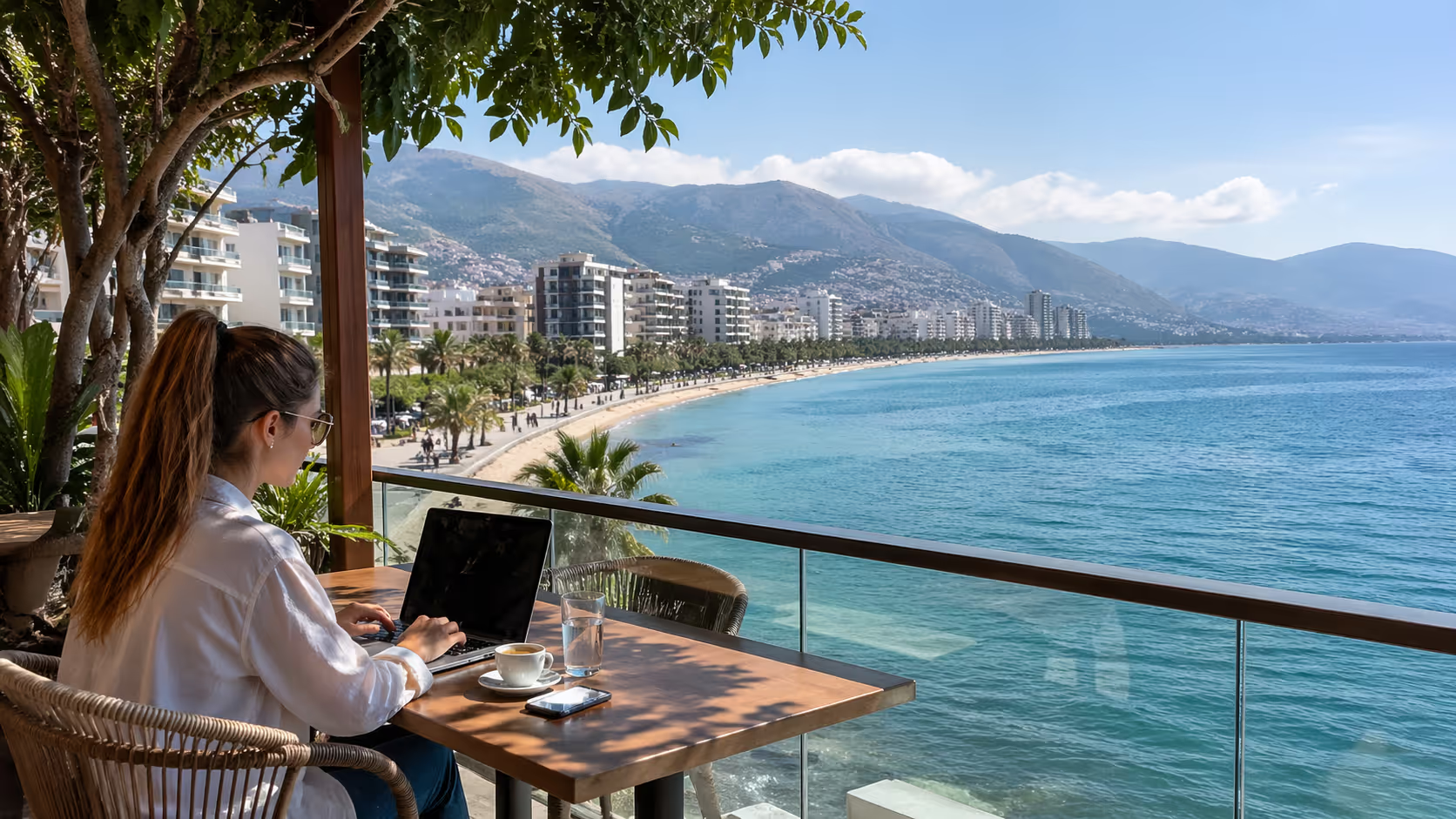
Keep a work kit if you spend hours away from home. Remote workers may think this does not apply, but many expats work from cafés near Lungomare, coworking corners, language schools, or offices near Skelë. Keep a small pouch in your laptop bag.
A work kit can include:
If you drive, create a car kit. Vlorë traffic can freeze near the port, the boulevard, and coastal road exits during storms or high season. A car kit helps if you are stuck, rerouted, or need to leave the city edge.
A basic car kit should include water, snacks, flashlight, first aid, blanket, rain poncho, phone cable, paper map, tire tools, reflective triangle, and jumper cables. Add pet supplies if your dog often rides with you. Keep fuel above half a tank during storm warnings.
Renters face a special problem. You may not want to invest in heavy gear for a temporary apartment. Build modular kits in plastic bins. If you move from Uji i Ftohtë to Skelë, the bins move with you.
Use clear bins for home supplies and backpacks for exit supplies. Put heavy water low, papers high, and medicine in a marked pouch. Tape a checklist to the lid.
Review the kit every six months. Change batteries, rotate food, check medicine dates, and update passport or residence papers. Tie the review to a date you remember, such as the start of summer season and the start of winter rains.
Preparedness is not a shopping event. It is a household habit.
Evacuation planning in Vlorë should be done on foot first. Cars are useful, but they can become useless fast. Roads may be blocked by debris, traffic, flooding, or parked cars.
Walk your building exit routes. Count the stairs. Check if emergency lights work. Notice where glass, loose tiles, heavy planters, or exterior walls could fall. If your building has one main staircase, know your secondary exit if one exists.
Do not use the elevator after an earthquake. Power can fail or aftershocks can trap the lift. If you live on a higher floor near Lungomare, practice walking down calmly with your go bag. That test will show if the bag is too heavy.
Pick two meeting points. One should be very close to your building, like an open area away from glass and balconies. The second should be farther away, on higher or safer ground, depending on the event.
For a household near the promenade, a close point might be an open section away from buildings. A farther point may be inland and higher. For someone in Uji i Ftohtë, your route may change based on road access along the coast. For someone near Skelë or the port, traffic and industrial areas may affect your choice.
Use the municipal civil protection plan if you can access it, and check Albanian Civil Protection updates. The Albanian National Agency for Civil Protection guide stresses local safe areas, evacuation routes, and knowledge of valve shutoffs. Local plans matter more than a generic map from another country.
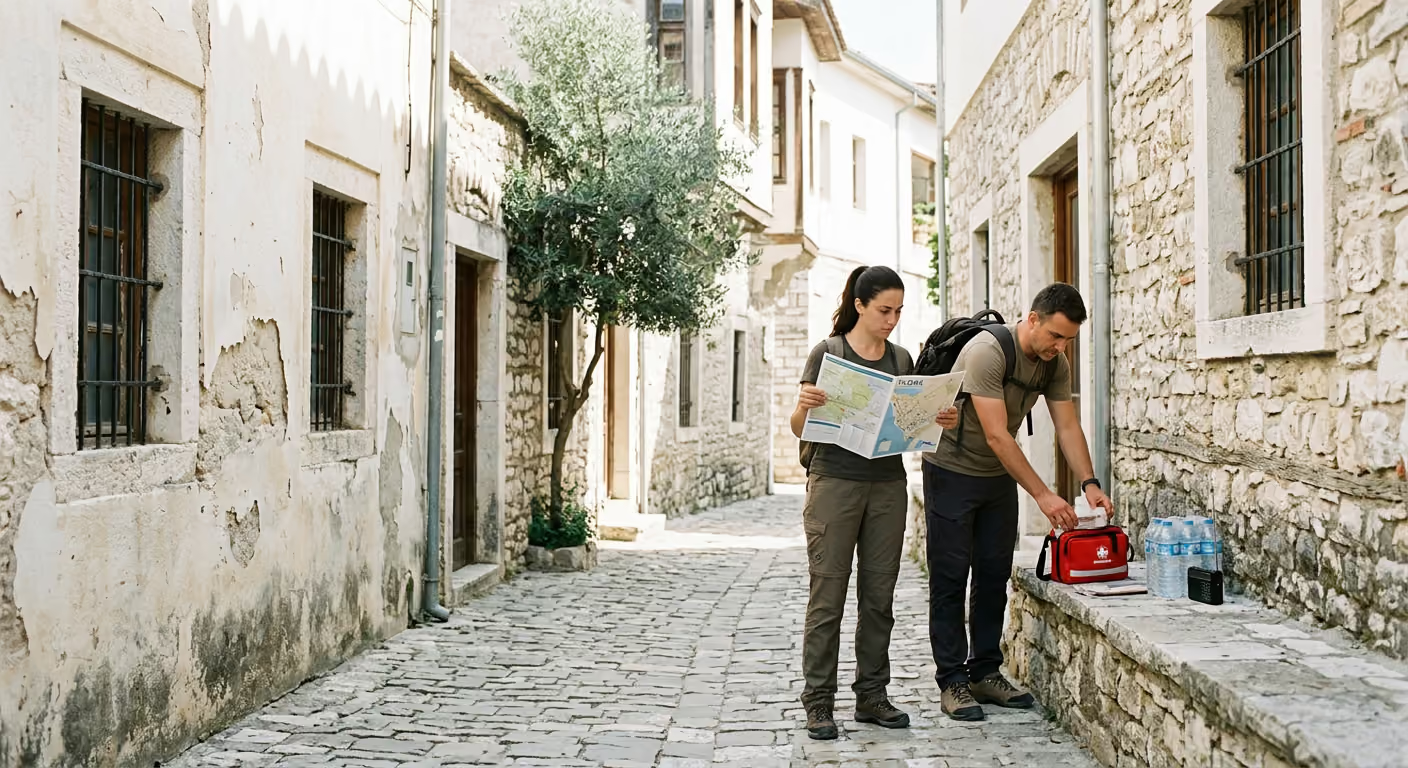
Make a paper route card. Phones may die or lose service. Print or draw your route from home to meeting point one, then to meeting point two. Mark pharmacies, open areas, police points, and roads that may flood.
If you have children, practice without making it scary. Say, “We are testing our family plan.” Walk from the apartment to the meeting point. Let them carry a small backpack with snacks and a comfort item.
If you care for an elderly parent or a person with limited mobility, plan the real version. How many stairs can they manage? Who helps them? Where is their medicine? Does a neighbor know they may need help?
The AKMC guidance points to notifying local authorities about vulnerable needs. Ask your municipality office or local administrator how special needs are handled in your area. If language is a barrier, go with an Albanian-speaking friend.
Create a simple household role list. One person grabs documents and medicine. One person handles pets. One person checks the stove or gas only if it is safe. Nobody runs back inside for a laptop after a serious event.
After shaking stops, check yourself first. Then check people near you. Watch for broken glass, smell of gas, damaged wiring, water leaks, and unstable walls. Leave if the building looks unsafe, if you smell gas, or if officials tell you to move.
Aftershocks are part of earthquake reality. Do not stand near building walls outside. Many injuries happen when people exit then wait beside facades, balconies, or old masonry.
Storm evacuation has a different pattern. Move early if heavy rain, flooding, or coastal surge is expected. Do not wait until roads near the seafront are already covered. In Vlorë, low-lying coastal streets can become slow and chaotic during heavy weather.
For a quake plus storm edge case, pick higher ground and avoid flood-prone routes. A route that is fine on a dry day may fail under heavy rain. Walk one inland route and one higher route before you need them.
If you do not own a car, map bus routes and taxi pickup points, but do not rely on them. Keep walking routes. Add phone numbers for trusted taxi drivers if you have them.
Tell someone outside Vlorë your plan. A friend in Tirana, another country, or your embassy contact list can help track your status. After a disaster, local networks can be overloaded. A single out-of-area contact reduces repeated calls.
Write the plan in simple language. Keep a copy on the fridge, in the go bag, and on your phone. A plan nobody can remember is decoration.
Earthquakes get the attention, but storms are the events many Vlorë residents handle more often. Heavy rain, strong wind, rough seas, and short power cuts can affect daily life around the coast. Your kit should work for both shaking and water.
Storm prep begins outside your apartment. Move balcony furniture, plants, umbrellas, and loose storage before wind arrives. A flying chair from a sea-view balcony is not just your problem. It can injure someone below.
Check doors and windows. Many rentals near the beach have large glass doors that rattle in strong wind. Know where towels, plastic sheeting, and tape are stored. They will not stop a major structural problem, but they can limit water entry from small leaks.
Keep electronics off the floor during storm season. If your apartment has any history of water entry, use shelves or plastic bins. This is common sense, yet many people leave chargers, routers, and documents low near balcony doors.
Floodwater is dirty water. Do not walk through it for fun, and do not let children play in it. It can hide broken glass, open drains, chemicals, and sharp metal. After coastal flooding, rinse shoes and wash hands carefully.
Prepare for power cuts. Keep power banks charged. Keep one flashlight in each bedroom and one near the entrance. Headlamps are better than candles in most emergencies, since they leave your hands free and lower fire risk.
If you use candles, use stable holders and never leave them burning during sleep. A small blackout should not become a fire. A fire extinguisher in the kitchen is a smart purchase.
Internet can fail in several ways. Your home router needs electricity. Mobile towers can be overloaded. Fiber lines can be damaged. Download maps, contacts, documents, and instructions before storms, not after the lights go out.
Water service can also be interrupted. Keep stored water even if your building usually has a tank. After major damage, water systems may be disrupted for days or longer, according to USGS earthquake preparedness information. In daily life, that means you should never let your home water supply run down to nothing.
Sanitation is often overlooked. If water stops, toilets become a household problem. Keep trash bags, wipes, hand sanitizer, toilet paper, and a plan for limited flushing. Fill buckets or containers before a forecast storm if you expect outages.
Food planning for storms should include no-cook meals. During a long power cut, cook or eat fridge items first if safe, then use canned and dry goods. Keep a manual can opener in the same bin as the food.
If you live near the seafront, think about your car location. Low areas may flood. Parking slightly inland before a major storm can save the car and keep an evacuation option open. Do not move the car during dangerous wind or rising water.
For people in hillside areas near Kaninë or upper roads, storm concerns shift. Watch for runoff, slippery roads, fallen branches, and access problems. Higher ground may reduce flood risk, but it does not remove power and road issues.
After a storm, avoid damaged trees, sagging wires, and unstable walls. Do not assume a shallow puddle is safe. Take photos for insurance if your property is damaged. Keep receipts for repairs and emergency purchases.
Your home stockpile should include storm items:
Storm preparation is not separate from earthquake preparation. It is the same resilience system, adjusted for water, wind, and time.
Digital tools help, but they cannot be your whole plan. In Vlorë, your phone may be your map, translator, bank, flashlight, and embassy contact list. That is too much pressure on one battery.
Start with emergency alerts. Follow Albanian Civil Protection channels and local municipality updates where available. Check the National Agency for Civil Protection site for current guidance and any newer local materials. If you are a U.S. citizen, enroll in the Smart Traveler Enrollment Program through the U.S. Embassy system for alerts.
For earthquakes, use global tools from reliable agencies. The USGS earthquake information service gives near real-time earthquake data worldwide. It is not a substitute for local orders, but it helps you understand what happened after shaking.
For weather, use a reliable forecast app plus local sources. Do not rely on one social media post about a storm. Watch for official warnings, road closures, and ferry or port notices when weather affects the coast.
Download offline maps before you need them. Google Maps offline areas can cover Vlorë, the coastal road, and inland routes. Maps.me is another common offline map option. Test the map with airplane mode turned on.
Save key places in your offline maps:
Add paper backups. Print your emergency contacts. Print passport and residence permit copies. Print your rental address in Albanian. Print simple medical details.
If you do not speak Albanian well, make a small language card. Include phrases for injury, medicine, allergy, lost child, pet, and address. Keep one in each go bag.
A battery radio is still useful. After a serious event, radio can work when mobile internet does not. Choose a battery or hand-crank model if you can find one. Store batteries outside the device to prevent corrosion.
Zello and similar walkie-talkie apps can help groups communicate when internet is available. They are not magic. They still need power and some network connection. Treat them as a bonus, not your core emergency plan.
WhatsApp groups are common in Vlorë. Create a small family or household group for check-ins. Pin your meeting point message before storm season. If a real event happens, send short updates only: safe, injured, location, next move.
Do not drain your phone filming damage. Take quick photos if safe, then preserve battery. Turn on low-power mode. Use text before calls. One short message may send when a call will not connect.
Keep a charging plan. Have one power bank per adult if possible. Keep cables for each phone type. A solar charger can help during long outages, but it is slower than people expect. Test it on a normal day.
Your paper folder should live in a waterproof pouch. Store one at home and copies in your go bag. For expats, this folder can prevent a second crisis after the first one. Losing passport copies, rental proof, or insurance contacts can slow every step.
Do not forget embassy information. The U.S. Embassy Albania emergency preparedness page stresses that citizens should prepare for emergencies and maintain supplies. Other nationalities should check their own embassy or consular advice. Save phone numbers offline.
Digital readiness is simple. Download, print, charge, and test. If you have not tested it, you do not really have it.
The first mistake is preparing for the wrong life. Many expats arrive in Vlorë thinking like visitors. They know beaches, cafés, and apartment views. They do not yet know which road floods, which stairwell is dark, or how their building reacts in a storm.
The second mistake is buying a fancy kit and never opening it. Pre-made kits can be useful, but they often miss expat needs. They may not include your medicine, Albanian cash, passport copies, pet food, or the right charger.
The third mistake is stopping at 72 hours. A three-day kit is a good evacuation target, but serious events can last longer. Embassy guidance for Albania points people toward self-reliance for longer disruption. A home stockpile closes that gap.
The fourth mistake is scattering supplies. A flashlight in one drawer, batteries in another room, shoes by the balcony, and documents in a suitcase will not help at 3 a.m. Keep kits grouped, labeled, and reachable.
The fifth mistake is relying on elevators. Many newer apartment buildings feel modern until power stops. Practice stairs. Know how long it takes to exit with a child, pet, or older relative.
The sixth mistake is ignoring under-bed gear. Night earthquakes are hard since you wake confused, barefoot, and in darkness. Shoes, gloves, glasses, and a light beside the bed are simple protection.
The seventh mistake is not knowing the building shutoffs. Ask your landlord about gas, water, and electrical controls. Take photos. Label them if appropriate. If you smell gas after shaking, leave and alert proper services.
The eighth mistake is no cash. Card payments are normal in many places, but Albania still runs heavily on cash in daily life. After outages, small lekë notes can pay for water, taxi help, bread, or medicine.
The ninth mistake is no Albanian plan. English may work in many cafés and with younger residents, but emergencies are different. Have your address written in Albanian. Learn basic words for help, injury, medicine, and danger.
The tenth mistake is forgetting pets. A cat carrier buried in storage is not useful. Keep carriers reachable. Train pets to enter them before a stressful day.
The eleventh mistake is overpacking. If your go bag feels like airport luggage, you may abandon it. Keep evacuation bags light and home supplies separate. A bag that moves is better than a perfect bin you cannot carry.
The twelfth mistake is treating preparedness as private. In Vlorë, neighbors matter. The person across the hall may know the building exits, speak to the landlord, or help carry water. You do not need to share every detail, but friendly contact is part of safety.
The reality check is clear. Living in Albania can be warm, social, and deeply rewarding. It can also be confusing when systems slow down, offices close, weather turns, or emergency lines are stretched. A kit will not remove uncertainty, but it reduces how much of your safety depends on other people arriving fast.
Many expats are used to service-heavy cities where help is expected quickly. Vlorë can work differently. Local people often rely on family networks, neighbors, practical skills, and patience. Newcomers should learn from that model.
A strong kit is not a sign that you distrust Albania. It is a sign that you respect local risk and want to be useful, not helpless.
Your emergency plan should match your Vlorë neighborhood. A person in a first-floor Old Town apartment has different needs from a sea-view renter on an upper floor near Lungomare. A family in Uji i Ftohtë has different exit routes from someone near the port.
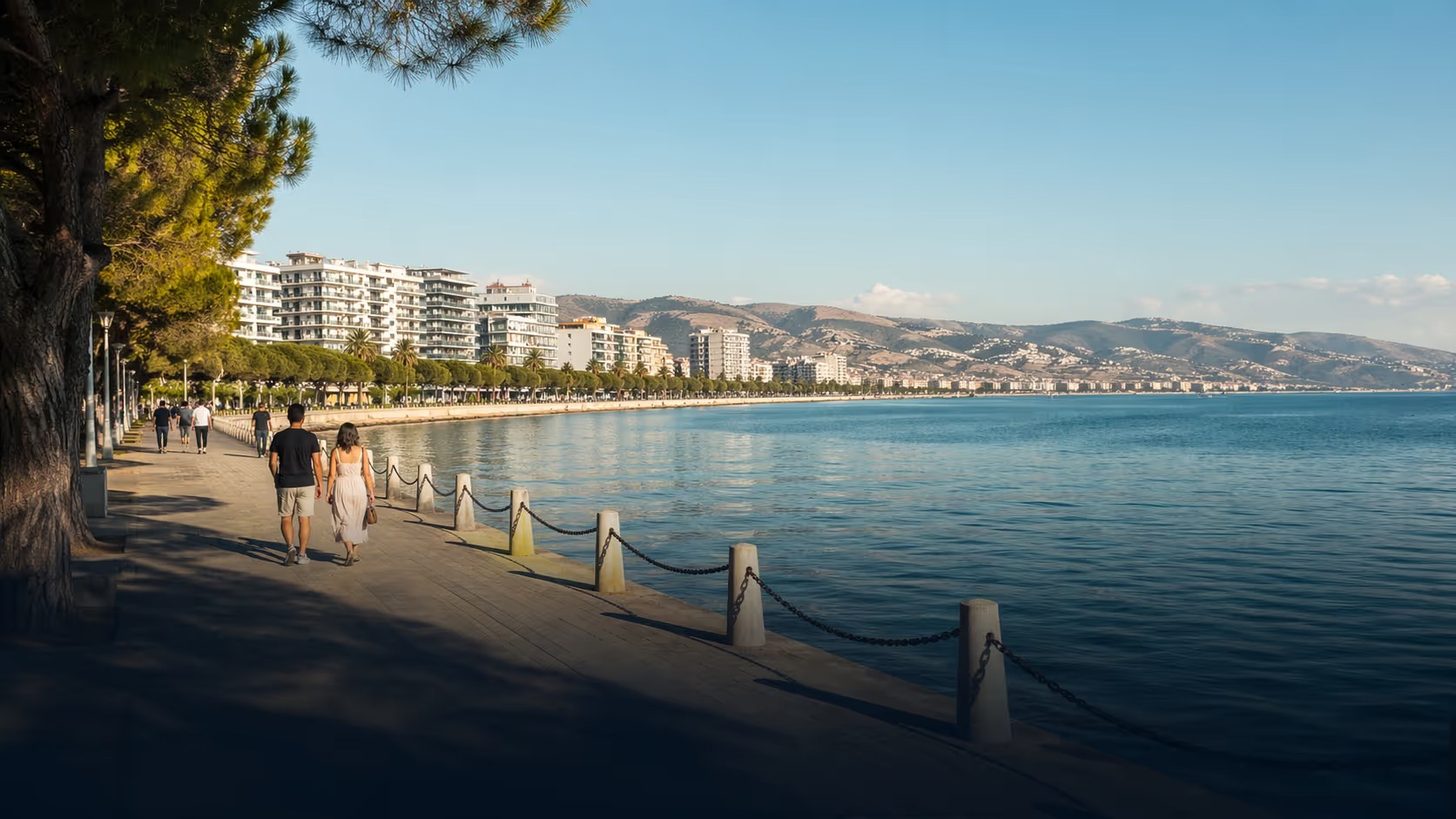
Lungomare is attractive for expats since it is walkable, social, and close to the water. The same location needs careful storm thinking. Wind, coastal spray, heavy rain, and traffic can make movement harder.
Keep balcony items secure. Store documents away from balcony doors. Pick an inland meeting point, not only a seaside café. During a storm, the promenade is not a safe waiting area.
If you live in a high-rise or newer apartment block, check stairwell lighting and exit access. Ask neighbors if the building has had leaks, elevator failures, or basement flooding. That local memory is useful.
Skelë is practical for daily life, transport, shops, and services. It can be busy around traffic routes and port activity. During a disruption, congestion may slow movement.
Your plan should include walking routes that do not depend on one main road. Keep cash and documents close, since you may be near services but not able to use cards or ATMs. If you work in this area, leave a small kit at your workplace.
Older buildings and narrow streets need special attention. Check for heavy masonry, weak balconies, and blocked exits. Open areas may be farther away than you think.
If you rent in an older building, ask direct questions before signing. Has the building had earthquake damage? Are stairways clear? Where are the shutoffs? Is there emergency lighting?
Do not store your go bag in a locked storage room downstairs. Keep it inside your apartment near the exit. In older buildings, access can change fast after shaking.
Uji i Ftohtë offers sea access and hillside sections, depending on the exact location. Some homes have beautiful views, but road access can be limited in bad weather. Plan more than one route toward town and inland.
A car kit is smart in this area. Keep fuel, water, and a blanket in the vehicle. If storms are forecast, think before parking in low spots or tight roadside areas.
Higher ground can be useful for coastal risk, but it does not solve every problem. Roads can become slippery, dark, or blocked. Power cuts can still affect homes.
Households in higher areas should focus on road access, heating, water storage, and communication. If you rely on a car, keep it ready before storm warnings.
Pick places that are open, easy to describe, and away from falling glass. Do not choose the entrance of your own building. Do not choose a narrow street lined with old facades. Do not choose the beach as your only plan.
Use three layers:
Write them down. Share them with your household. Practice the route on a normal weekday, not only in your head.
A kit loses value if it goes stale. Food expires, batteries leak, medicines change, children grow, pets change diets, and residence papers get renewed. Maintenance is the quiet part of preparedness.
Set two review dates per year. A good rhythm in Vlorë is before summer heat and before winter rain. Open every bag. Check every light. Replace what is missing.
Update your documents after each visa, residence, lease, or insurance change. Expats often collect paperwork across email, WhatsApp, and folders. In an emergency, you need the short version in one pouch.
Test your tools. Put on the headlamp. Open the water container. Use the manual can opener. Try lifting the go bag and walking down the stairs. Small failures are easy to fix on a calm Sunday.
Talk to your landlord. Ask about building exits, roof access if relevant, water tanks, electrical panels, and past storm damage. Some landlords are helpful. Some are casual. Stay polite, but get the facts.
Talk to neighbors. You do not need a formal committee. Start with names, phone numbers, and who might need help. In many Albanian buildings, informal neighbor support can move faster than any official channel.
If you are new and do not know anyone yet, this is where community matters. Vlore Circle exists for residents, not short-term tourists. Join the community if you want practical local guidance, meetups, and people who understand both the expat questions and the Vlorë reality.
Host tip from Vlore Circle: build your kit in one weekend, then improve it over one month. On day one, buy water, food, lights, batteries, gloves, masks, and a first aid kit. During the month, add documents, route cards, pet supplies, better tools, and local contacts.
Another host tip: do not make emergency planning a private anxiety project. Invite a neighbor for coffee near your building and ask one practical question: “If there is a strong earthquake, where do people here usually gather?” You will learn more from that answer than from staring at maps alone.
If you live with others, hold a 20-minute household meeting. Keep it short. Decide who grabs what, where you meet, how you contact each other, and what you do if phones fail.
If you live alone, create a buddy system. Choose one person in Vlorë and one person outside the city. Agree on a simple check-in message after strong shaking or a major storm.
For retirees, add extra medical depth. Keep a longer medicine buffer if your doctor allows it. Write dosage instructions. Add copies of prescriptions and doctor contacts.
For remote workers, protect your income basics. Back up files to the cloud before bad weather. Keep a power bank for your phone, but accept that work may stop during a real emergency. Safety comes before client calls.
For families, assign small jobs to children by age. A child can carry their own snack bag or comfort item. Older children can memorize meeting points. Clear roles reduce panic.
For pet owners, practice carriers. Cats hide under beds during stress. Dogs can pull hard in crowds. A calm pet plan starts long before the alarm.
Preparedness is not about becoming a survival expert. It is about making normal life in Vlorë more resilient. You still enjoy the promenade, the market, the beaches, and the long coffee. You just keep a flashlight, shoes, and water ready at home.
Vlorë is easier to enjoy when your household is ready for the hard days, not only the sunny ones.
Follow Vlore Circle for fresh guides, local updates, and community notes around life in Vlorë. It is the easiest way to stay close to what we are building.

Be part of a growing community built around connection, local life, and a better experience of Vlorë.
join the circle