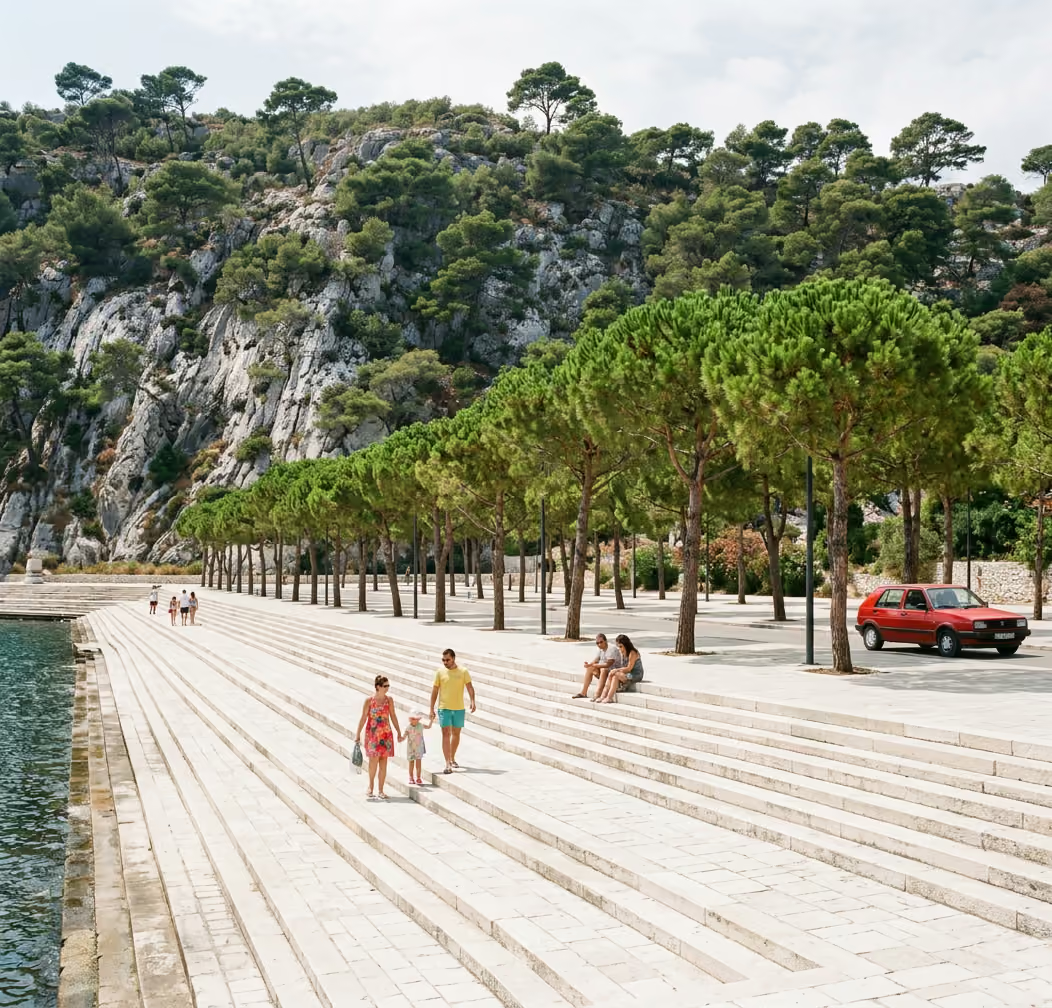
Representative image

Vlorë seems like a compact resort strip, but settling in requires navigating distinct zones across the coast, Old Town, and daily neighborhood markets.





You land with a bag, a tired phone battery, and one simple problem. You need to turn Vlorë from a place on Google Maps into a city you can move through with confidence.
The best first week in Vlorë starts with phone data, basic transport, food shopping, and a simple mental map of Lungomare, Plazhi i Ri, and Old Town. After that, use beaches, museums, markets, and one group activity to build comfort and early connections.
Vlorë rewards people who get oriented early. The city is not hard to understand, but it is spread across different zones. Lungomare feels coastal and social. Old Town, often linked with Muradie, feels more historic and local. Plazhi i Ri is the everyday urban beach area. Narta Lagoon, Zvërnec, Kanina Castle, and Karaburun sit outside the core.
Vlorë sits on the Bay of Vlorë, where the Adriatic and Ionian seas meet. It is one of Albania’s main port cities, and many guides describe it as a gateway to the Albanian Riviera. That mix shapes daily life. You get ferry traffic, beach culture, family promenades, summer crowds, retirees, students, and remote workers in the same city.
For a newcomer, the first week should not be packed like a tourist sprint. You are not only seeing attractions. You are learning where to buy bread, where taxis wait, where the flat walking routes are, and which cafe feels right for your morning routine.
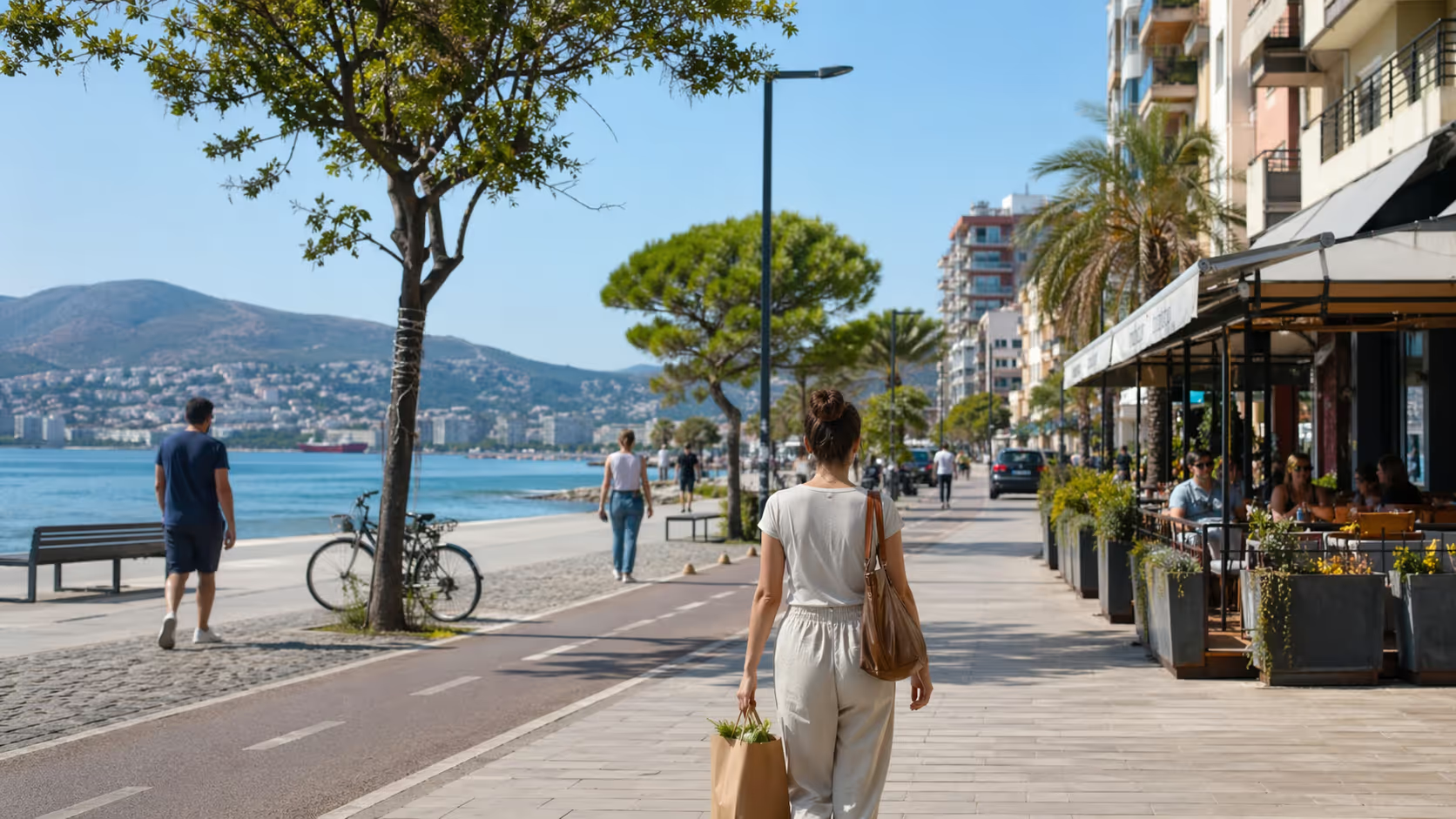
Vlorë is easier when you build from the coast inward. Start along Lungomare, since it is flat, visible, and full of cafes. Move to Plazhi i Ri for beach habits and simple errands. Then spend proper time in Old Town, the Independence area, and the hills above the city.
This matters most if you are arriving for more than a holiday. A one-week visitor can get away with guessing. A remote worker, retiree, or long-stay newcomer needs systems. You need phone data, food options, transport confidence, cash habits, and a few human faces you recognize.
English is common in tourist-facing cafes, hotels, and tour offices. It can be less common in markets, furgons, older shops, and inland errands. This is not a crisis. It means you should set up translation tools on day one and practice a few Albanian basics.
Vlorë has a friendly rhythm, but it is not a resort bubble. Mornings are best for errands, markets, beaches, and museum visits. Afternoons can feel slower, hotter, or more car-heavy in summer. Evenings belong to Lungomare, where locals and visitors walk, eat, and meet by the water.
According to Albanian Tour Guide, Vlorë receives heavy seasonal interest tied to its beaches and Riviera access. That same appeal can bring parking pressure and crowded beach areas in July and August. If you arrive in peak summer, your first week should favor early starts and short travel legs.
Krista the Explorer describes Old Town as separate from the coast, with a drive of about 15 minutes from the waterfront. That detail matters on your first week. Newcomers often assume every main place is on the same seaside strip, then waste time walking in heat or paying for rushed taxis.
Your goal for week one is not to see everything. Your goal is to remove friction. By the end of seven days, you should know where to get mobile data, where to buy fruit, where to take a sunset walk, which beach works for you, how to reach Old Town, and how to join a group outing without feeling lost.
Think of your first week as a confidence pyramid. The base is logistics. The middle is your city map. The top is connection. If you try to start at the top, you may feel social for one evening, then lost the next morning when you need a SIM card or basic groceries.
Days one and two should make you self-sufficient. That means a working SIM or eSIM, some cash in Albanian lek, a taxi plan, a few saved map pins, and a simple food setup. You do not need a perfect apartment or full social calendar yet. You need to be able to leave your room and solve small problems.
Days three to five should build spatial familiarity. Walk Lungomare from one end toward the other. Visit Plazhi i Ri in the morning. Spend time in Old Town near Muradie Mosque and the restored streets. Add the Independence Museum area and Kuzum Baba for context and views.
Days six and seven should widen the circle. Go to Narta Lagoon and Zvërnec if the weather is good. Join a boat tour to Sazan Island or Karaburun if sea conditions and budget allow. Use group activities as low-pressure ways to meet people.
This plan works for remote workers too. Do not burn the first week chasing every view. Test mobile data, cafe noise, apartment Wi-Fi, and walking times. A beautiful rental near the beach can still be hard if your daily errands sit across town.
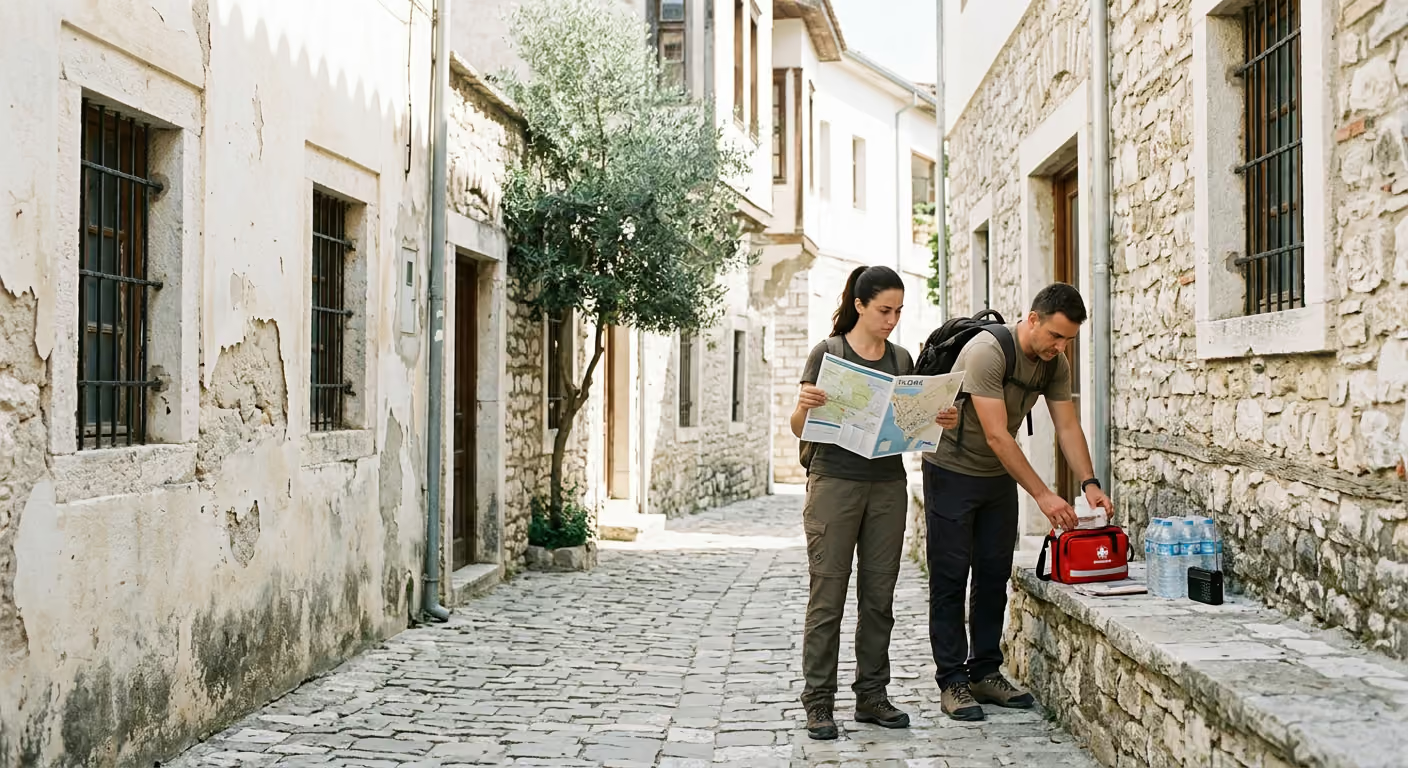
Before you arrive, save a short offline map list. Pin your accommodation, Lungomare, Plazhi i Ri, Old Town, Muradie Mosque, Independence Museum, Independence Monument, Kuzum Baba, the nearest supermarket, one pharmacy, one bank ATM, and a taxi pickup point. If you plan a day trip, pin Narta Lagoon, Zvërnec Monastery, and Kanina Castle.
Set your first week around short routes. A tired newcomer should not stack Narta, Kanina, and Old Town into the same afternoon. Vlorë looks compact on a phone, but heat, traffic, and unfamiliar transport can make short trips feel longer.
Bring or buy a small day bag. Keep water, tissues, coins, power bank, ID copy, and a light layer if you are near the water after sunset. In Albania, many small payments still feel easier with cash. Cards work in larger venues, but small shops and markets may prefer lek.
Use simple Albanian from day one. “Mirëdita” means good day. “Faleminderit” means thank you. “Sa kushton?” means how much does it cost. You do not need perfect grammar. A small effort often changes the tone of a market or taxi interaction.
For the first week, choose a base near Lungomare, Plazhi i Ri, or the central area between the coast and Old Town. Lungomare gives the softest landing, especially if you arrive alone. Plazhi i Ri suits beach-first routines and families who want easy seaside access. Old Town suits people who prefer historic streets and less resort energy.
The practical daily rhythm is simple. Morning for errands or sights. Afternoon for rest, work, beach time, or a cafe. Evening for Lungomare, dinner, and social walking. This rhythm fits Vlorë better than a rigid minute-by-minute schedule.
Your first day should feel almost too simple. Get to your accommodation, set up mobile data, get some lek, eat a real meal, and walk Lungomare before bed. That is enough for day one.
If you arrive through Vlorë Airport on a route that uses it, research notes place it about 10 km from the center, with a taxi around €15 and a ride of about 20 minutes. Many newcomers still arrive via Tirana or another Albanian city, so apply the same rule. Do not over-plan arrival day.
Once you reach your accommodation, check three things before unpacking fully. Test the Wi-Fi in the room. Check hot water. Open your map app and confirm your exact location. If you need to change rooms or ask a host for help, it is easier before you are settled.
Next, set up phone data. Vodafone and ONE Albania shops or kiosks are the common choices. Research notes that a tourist-style data package around 10GB may cost about €10, and ID is usually required. Bring your passport or a clear ID copy.
If you already use an eSIM, keep a local SIM plan as a backup if you will stay longer. Vlorë is a coastal city with day trips, hills, and boat routes nearby. Strong mobile data is not a luxury when you are finding furgons or calling a taxi.
Get cash in Albanian lek on day one. Use a bank ATM in a visible area, then break large notes at a supermarket or cafe. Keep small bills for burek, furgons, market fruit, and short taxi rides.
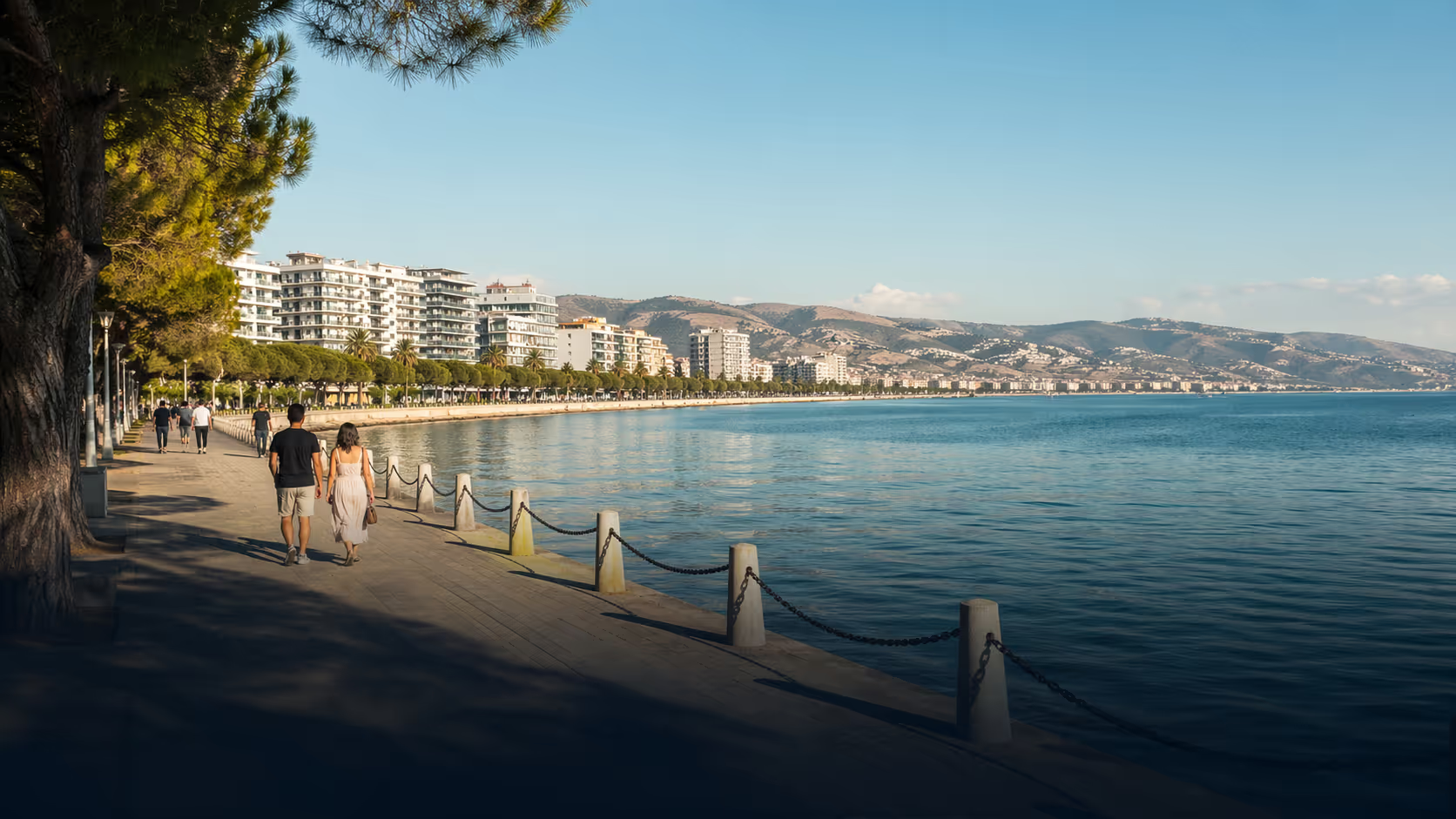
Your first walk should be Lungomare. Start near your accommodation if you are on the coast, then walk toward the main cafe and hotel stretch. You are not trying to see the full 5 to 7 km promenade on day one. You are learning the light, crossings, benches, pharmacy signs, and where people gather.
Dinner should be easy. A simple seaside meal may cost around €8 to €10 in many casual places listed in travel guides. If you feel tired, choose a place with visible prices and a short menu. Save the big seafood dinner for later in the week.
Before sleep, save three map pins from your walk. A breakfast cafe, a supermarket, and a pharmacy. This tiny task pays off the next morning.
Day two is about proving that you can move around without stress. Take one short transport ride, buy food at a market or bakery, set up a taxi method, and make a light visit toward Old Town.
Start with breakfast near your base. Try burek from a bakery if you want a cheap local staple. Research examples place burek around €1. Prices vary by spot, but it remains one of the easiest first-week foods.
After breakfast, test a furgon route or a short taxi. Furgons are minibuses used across Albania. Research notes local rides to nearby areas may cost around €1 to €2. Ask your host, hotel desk, or a cafe worker where the nearest stop is, then confirm the direction before boarding.
If you are nervous, use a taxi for the outbound leg and a furgon for the return. That gives you a safety net and a learning moment. Taxi apps and local taxi numbers change over time, so ask your accommodation which service is used that month. Some guides mention app-based options such as Speedometer, with taxi costs around €0.50 per km.
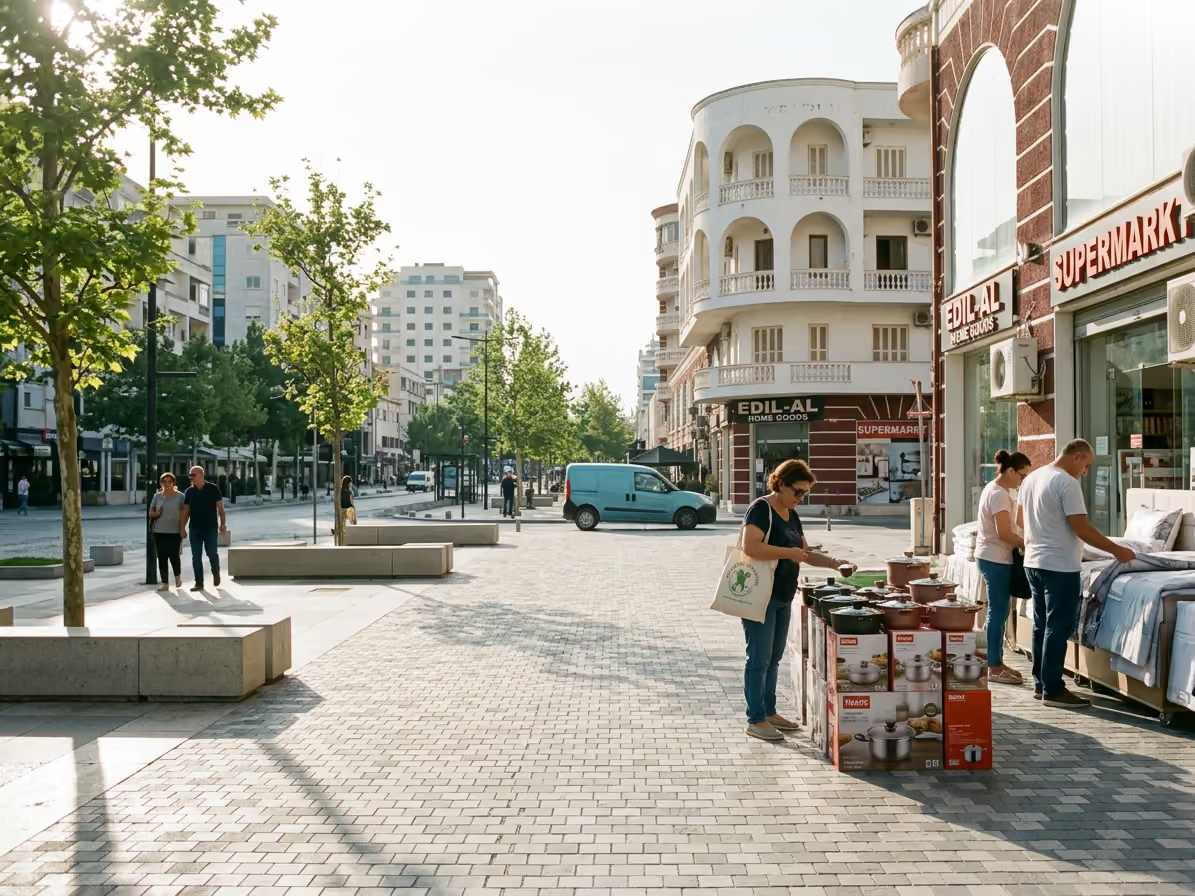
Next, buy basic groceries. Choose a small market or supermarket near your base, not a faraway shop. Get water, fruit, yogurt, bread, coffee, and something easy for dinner. This is not glamorous, but it makes the city feel usable.
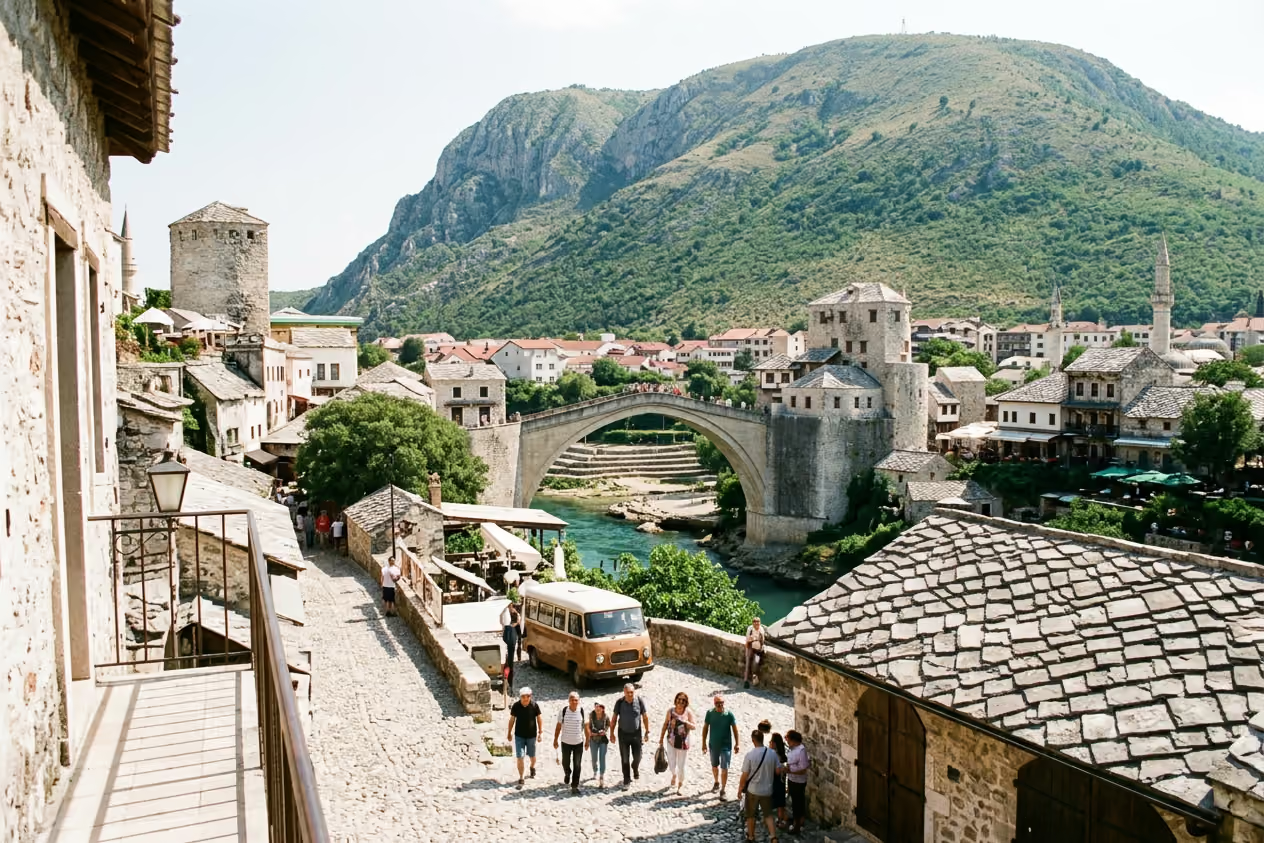
In the afternoon, go toward Old Town for a preview. Do not rush a full historic visit yet. Walk the restored streets around Muradie, look for Muradie Mosque from the outside, and sit at a cafe. Notice that Old Town is not on the beachfront, which is a common first-week mistake.
Return before dark if you still feel unsure about routes. If you feel comfortable, stop by the Independence Monument area in the evening. It gives you a first glimpse of Vlorë’s national role without a full museum visit.
Your day two win is simple. You used transport, bought food, and entered the historic core. At this point, Vlorë should start to feel less like a waterfront strip and more like a real city.
Day three is for Plazhi i Ri and the beach rhythm. Go in the morning, not late afternoon. This is extra useful in July and August, when beach areas can feel packed.
Pack light. Bring water, towel, sunscreen, cash, and sandals or water shoes if you prefer them. Urban beaches can have paid loungers in season. Ask the price before sitting down, and confirm if the fee includes an umbrella.
Plazhi i Ri is a practical beach for newcomers. It has cafes, food, and easy road access. It may not be the quietest beach near Vlorë, but it teaches you how local beach days work. Families arrive with bags. Friends meet for coffee before swimming. People often stay into sunset.
Use this day to test your personal beach setup. Do you want a lounger, a free patch, a cafe chair, or only a swim and walk? Do you feel better going early? Which route back home feels safest and simplest?
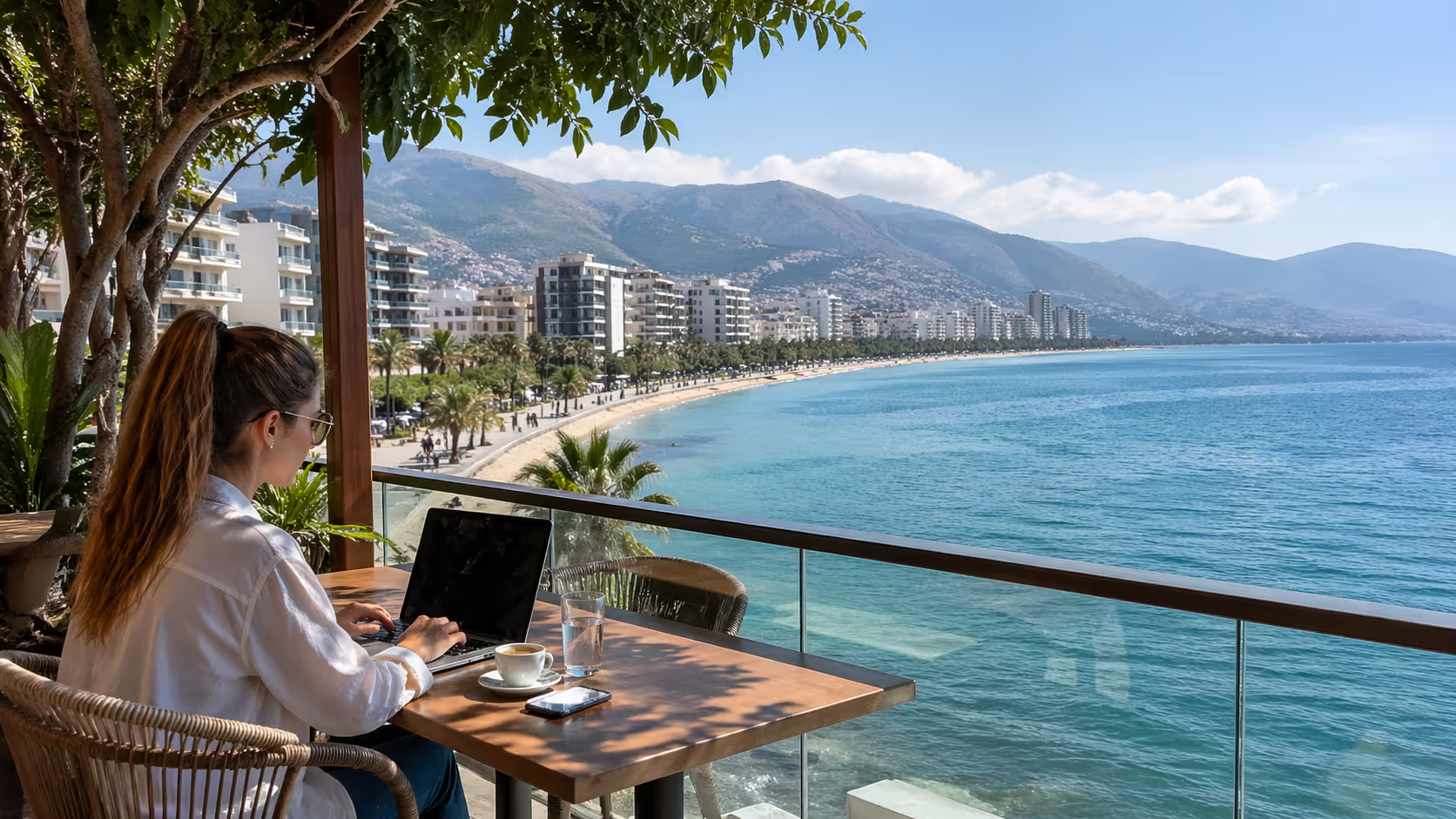
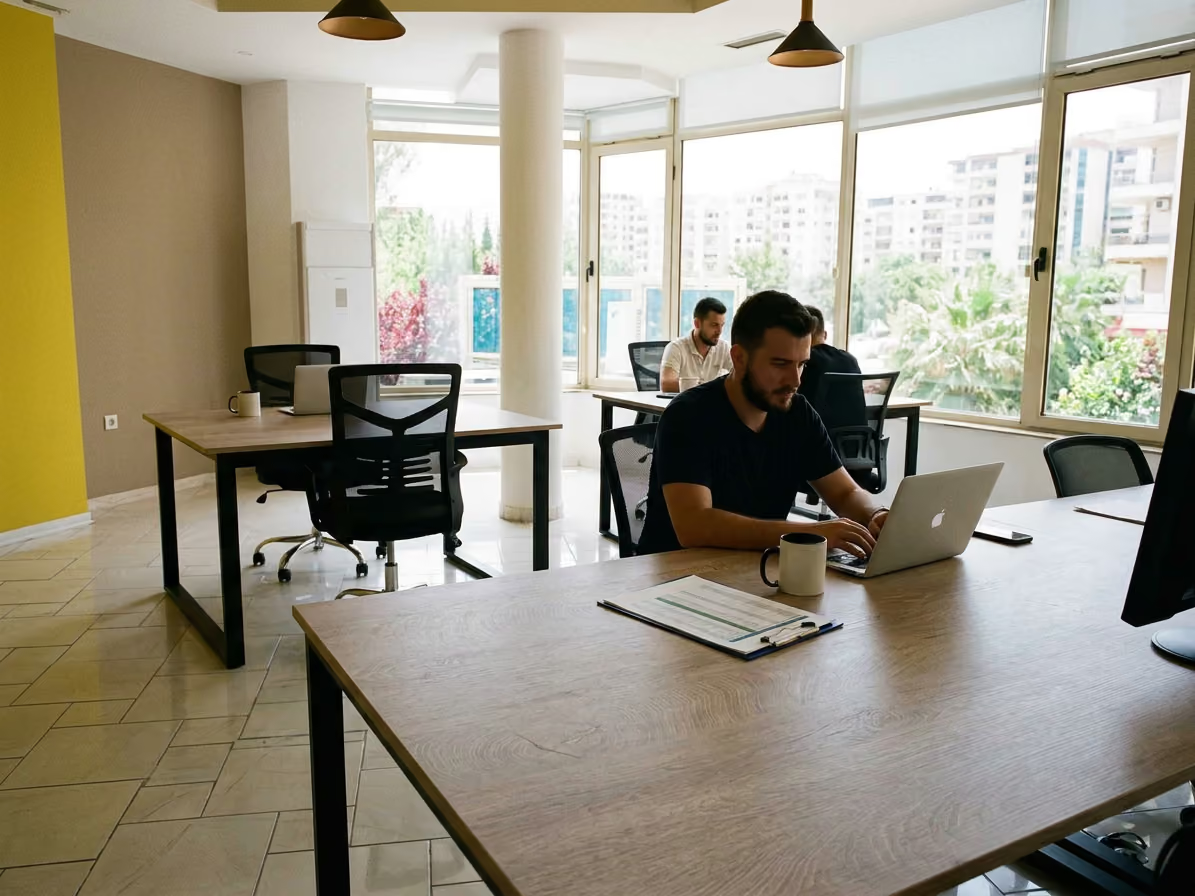
In the afternoon, choose a cafe near Lungomare or Plazhi i Ri and stay for one hour. Test the Wi-Fi if you work remotely. Order something simple, note the noise level, and look for power outlets. If you plan to work from cafes, this research is part of settling in.
The evening is for people-watching on Lungomare. Walk the same route from day one, then extend it by 10 or 15 minutes. Repetition matters. A city feels safer when your feet know the turns.
Day three is a good time to message one local group, community page, or expat contact. Keep it low-pressure. Ask about a coffee meetup, language exchange, walking group, or weekend boat trip. If you want a warmer start, Join the community through Vlore Circle and look for real-life meetups rather than only online scrolling.
Day four gives Old Town the time it deserves. Go after breakfast, bring water, and wear shoes that handle cobblestones. The restored streets can be pleasant, but edges of the area may feel uneven or slightly hilly.
Start near Muradie Mosque. The mosque is one of the best-known landmarks in the area and anchors the historic core. Be respectful near religious spaces. Dress with care, keep your voice low, and ask before taking close photos of people.
Walk slowly through the restored streets. Look for small shops, cafes, and shaded corners. If you arrived expecting Vlorë to be only beaches, this day resets that idea. Old Town shows the city as a lived place with memory, trade, and local habits.
Take lunch in or near Old Town. Choose a small place with a daily dish if you see one. If language feels hard, point to what others are eating or use Google Translate. Many market and cafe interactions work fine with smiles, short words, and patience.
After lunch, compare Old Town with Lungomare. Lungomare is open, flat, and social. Old Town is tighter, older, and more local. Newcomers who understand this contrast settle faster, since they stop judging the whole city by one area.
In the late afternoon, return to your base and rest. If you still have energy, walk to the waterfront for a short sunset. Do not turn day four into a marathon. You are building a repeatable life, not collecting every stop.
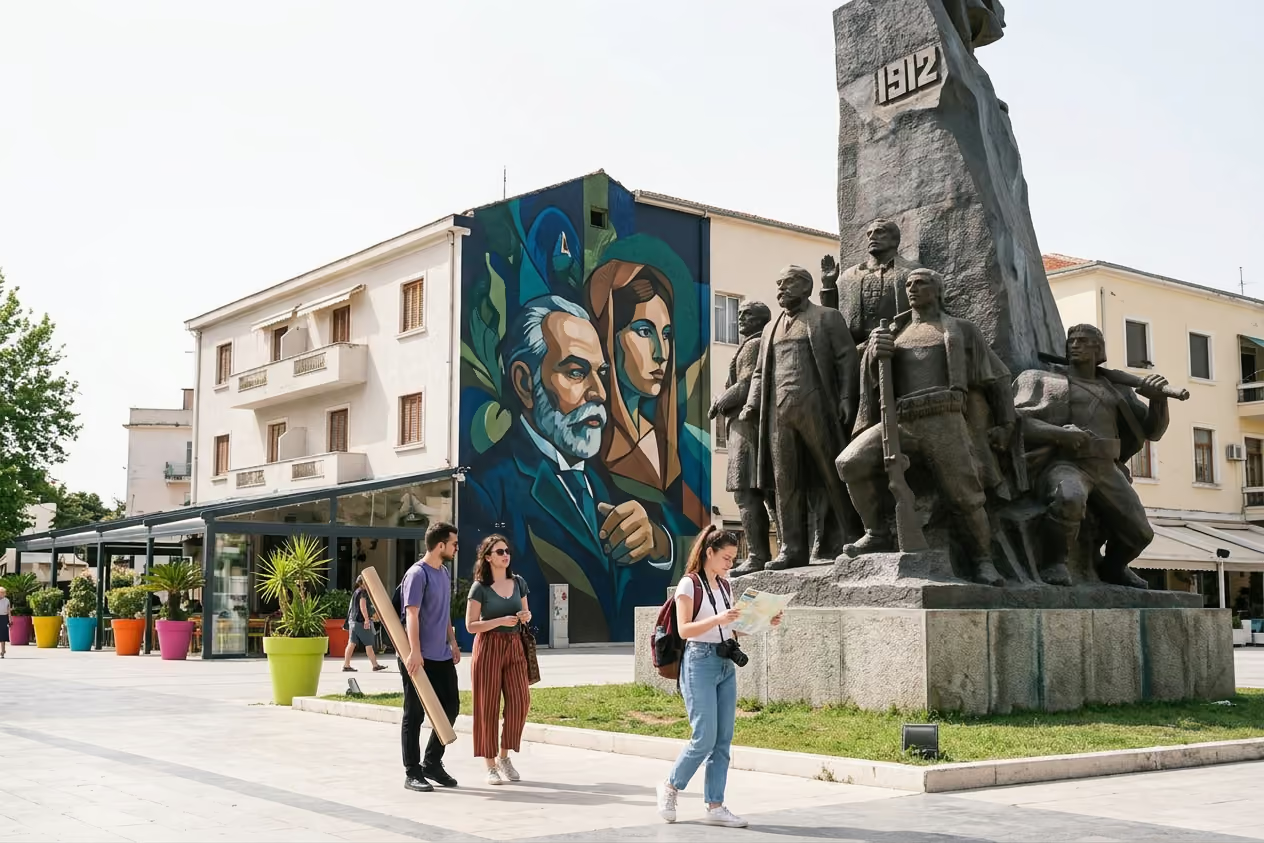
Day five is your history day. Vlorë is not only a beach base. It is tied to Albania’s 1912 declaration of independence, and that history shows up in museums and monuments around the city.
Start with the Independence Museum area. Krista the Explorer notes the museum’s link to the 1912 declaration site and the historic building. Entry fees may be low, with research examples around €3. Check opening hours before you go, since small museum schedules can shift.
After the museum, spend time near the Independence Monument. Do not rush it as a photo stop. Read what you can, look around the square, and place it in your mental city map. This helps you understand why Vlorë carries national meaning beyond summer tourism.
In the afternoon, go to Kuzum Baba if weather and mobility allow. It is known for wide views over the city and bay. Some routes and edges can feel steep, so use a taxi if you prefer. Wear decent shoes, not beach slides.
Kuzum Baba helps you understand Vlorë’s shape. From above, the coast, port, streets, and hills make more sense. This is the day when your mental map clicks into place for many newcomers.
End the day with a quiet dinner away from the loudest promenade strip. Try a neighborhood grill, pizza place, or simple Albanian restaurant. Ask your server what is fresh or popular that day. Small questions often lead to better meals.
Day six moves you outside the city core. Keep it half-day unless you are used to Albanian roads and local transport. Narta Lagoon and Zvërnec are good first nature outings near Vlorë.
Go in the morning. Bring water, snacks, sun protection, and cash. If you use a furgon, ask your accommodation where to catch it and where to return. If you take a taxi, agree on pickup timing and price before leaving.
Zvërnec is known for its wooden bridge and monastery setting. The area feels different from Lungomare. It is quieter, flatter, and more open. It works well for families, photographers, and newcomers who need a break from traffic.
A picnic can keep costs low. Buy bread, cheese, tomatoes, fruit, and water before you go. Research examples place a simple picnic day around €5 to €10, depending on what you buy.
Respect the area. Do not leave trash. Do not treat the bridge like a party spot. Natural areas around Vlorë are part of what makes the region special, and local groups care about protection of Albania’s natural heritage.
Return to Vlorë by mid-afternoon. This gives you time to shower, rest, and walk Lungomare again. Day six should leave you refreshed, not stranded or worn out.
Day seven is for connection. A boat tour to Sazan Island, Karaburun, or nearby caves can work well if the weather is good. Research examples place group boat trips around €30, with snorkeling often part of the offer.
Book through a visible tour office, your accommodation, or a provider with clear reviews. Ask what is included, what time you return, whether food is included, and what happens if sea conditions change. Bring cash, water, swimwear, sun protection, and a dry bag if you have one.
Group tours are useful for solo newcomers. You do not need to force conversation. Shared transport, swim stops, and simple questions create easy openings. Ask other guests how long they are staying, where they found housing, or which cafe they liked.
If boats are not your style, use day seven as a market and meetup day. Return to the market or bakery you visited earlier in the week. Buy something small, use one Albanian phrase, and become a familiar face. Then attend a community meetup, coffee gathering, or walking event if one is available.
Families may prefer a shorter outing. A morning beach, lunch near Plazhi i Ri, and a late promenade walk can be a better choice than a full sea trip. Retirees may prefer Kanina Castle with a taxi, then a relaxed dinner near the coast. Remote workers may want a social coffee and a half-day offline.
By the end of day seven, you should have a working base. You know your main walking route, your beach option, your Old Town route, one nature escape, one history anchor, and at least one social channel. That is the real success of week one.
Vlorë can be good value, but your first week often costs more than later weeks. Arrival taxis, SIM cards, starter groceries, museum entries, and one tour add up. The goal is not to spend nothing. The goal is to spend on things that reduce stress.
Many prices in tourist guides are quoted in euros, but daily life uses Albanian lek. For rough planning, many residents use a mental shortcut of about 100 lek to €1. Exchange rates move, so treat this only as a simple planning tool.
Here is a practical first-week budget using common newcomer choices from the research.
| Day | Main plan | Transport | Food | Other | Rough total |
|---|---|---:|---:|---:|---:|
| Day 1 | Arrival, SIM, Lungomare | 1,500 lek | 800 to 1,000 lek | 1,000 lek SIM | 3,300 to 3,500 lek |
| Day 2 | Furgon, market, Old Town preview | 200 lek | 500 to 800 lek | 0 to 500 lek | 700 to 1,500 lek |
| Day 3 | Plazhi i Ri and cafe test | 0 to 500 lek | 800 to 1,200 lek | 0 to 1,000 lek lounger | 800 to 2,700 lek |
| Day 4 | Old Town deep visit | 500 to 1,000 lek | 700 to 1,000 lek | 0 | 1,200 to 2,000 lek |
| Day 5 | Museum and Kuzum Baba | 0 to 1,000 lek | 800 to 1,200 lek | 300 lek museum | 1,100 to 2,500 lek |
| Day 6 | Narta and Zvërnec | 1,000 to 2,000 lek | 500 to 1,000 lek | 0 | 1,500 to 3,000 lek |
| Day 7 | Boat tour or meetup day | 0 to 500 lek | 1,000 lek | 3,000 lek tour | 1,000 to 4,500 lek |
A budget newcomer can keep the week lean by using furgons, bakeries, markets, and free walks. Expect a basic first week around 15,000 to 22,000 lek if your accommodation is already paid. A more relaxed week with taxis, restaurants, beach loungers, and a boat tour may land closer to 30,000 to 45,000 lek before rent or hotel costs.
Accommodation changes the full picture. Research examples place budget stays around €30 to €50 per night near Lungomare, with cheaper hostels sometimes lower. Long-stay apartments are a separate market. Do not judge monthly rent from July hotel rates.
Food is where newcomers can save without feeling deprived. A bakery breakfast might cost a few hundred lek. Market fruit, bread, and dairy can cover simple lunches. Casual dinners near the sea cost more, but they can be worth it in your first week when you need comfort and a social setting.
Transport is the category that surprises people. Walking is free and useful along Lungomare. Furgons are cheap, but you need patience and local advice. Taxis feel easy, yet several short rides per day can become a real cost.
Boat tours are optional, not required. They are worth it if you want a group setting and a fast sense of the wider bay. Skip them if you are tired, watching your budget, or not ready for a full sea day.
Keep an emergency buffer in lek. Use it for a late taxi, pharmacy item, extra data, or a meal when your plans fail. A newcomer with a small cash buffer makes calmer choices.
Make phone data your first errand. Without it, every other task becomes harder. Maps, translation, taxi contact, bank alerts, housing messages, and meetup plans all depend on your phone.
Bring your passport when buying a SIM. Ask for a tourist or prepaid data package. Confirm how many gigabytes you get, whether calls are included, and when the package expires. Ask the staff to activate it before you leave the shop.
Vodafone and ONE Albania are the names most newcomers will see. Shops near central areas, malls, and the coastal zone can help with setup. If you arrive at a kiosk, make sure the package is official and the SIM works before walking away.
Download offline maps after setup. Save Albanian and your native language in Google Translate or a similar app. Market chats, furgon questions, and pharmacy visits become much easier.
Do not wait until you are hungry to learn food shopping. On day two, make a small grocery run. Buy familiar items first, then add one local item each day.
Bakeries are your friend in week one. Burek is cheap, filling, and easy to order by pointing. Bread is fresh and widely available. Small shops sell water, yogurt, fruit, and snacks.
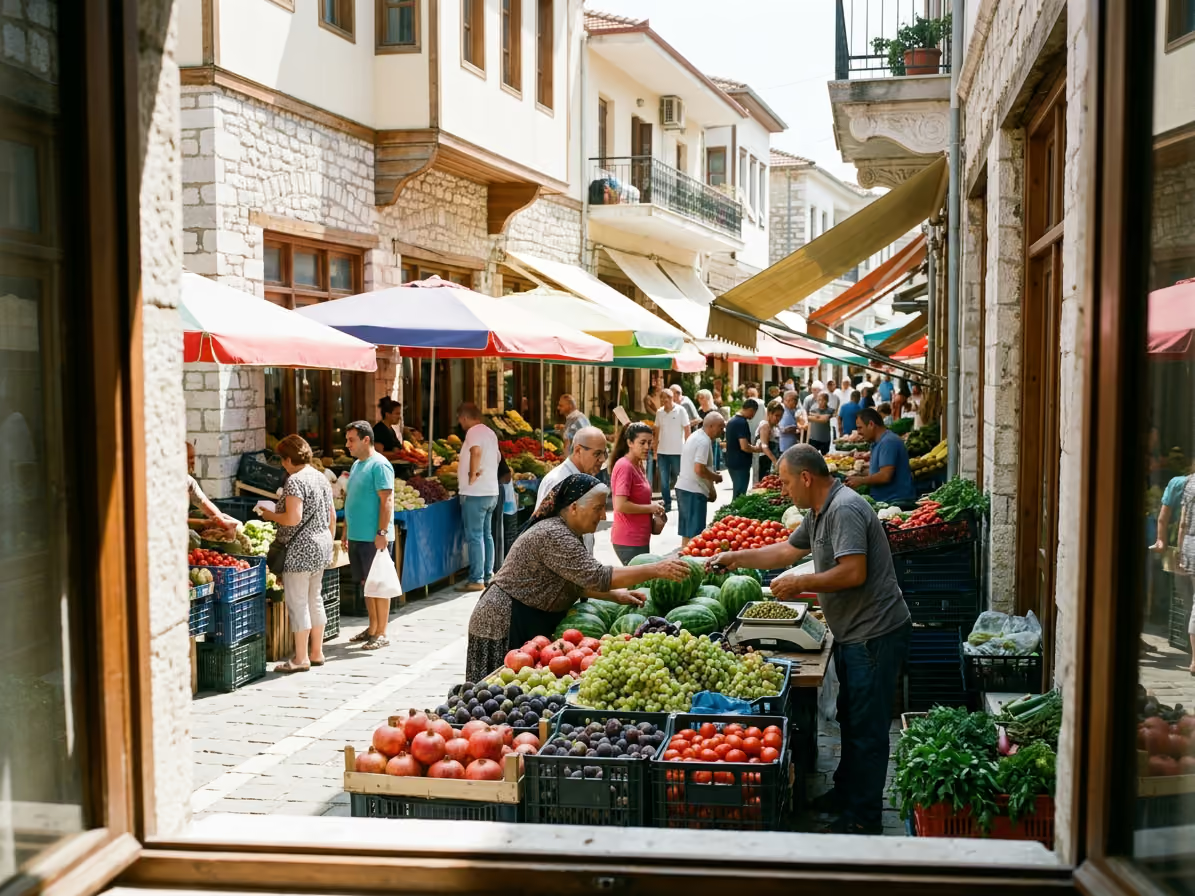
At produce markets, use simple words and gestures. Ask “Sa kushton?” then point. Watch how locals queue, pay, and select items. Do not squeeze produce unless others are doing it and the seller seems fine with it.
If you plan to cook, check your accommodation before buying too much. Some rentals have a proper kitchen. Others have only a kettle and basic tools. Buy for one or two days until you know what works.
Furgons are useful, but they are not always clear to newcomers. Routes may not feel formal. Stops can be understood locally rather than marked in a way you expect. Ask a local person where to stand, then confirm the destination with the driver.
Keep small bills for furgons. Do not expect card payment. If you are unsure when to get off, keep your map open and sit where you can speak to the driver.
Taxis are best for arrival, late returns, hill routes, and day trips with limited time. Ask for an estimated fare before you ride. If your accommodation recommends a driver, save that number.
Walking is best along Lungomare, Plazhi i Ri, and central errands. The promenade is flat and easy. Inland routes can feel less pleasant in heat or traffic. Use crossings with care, since driving habits may feel different from what you know.
Bike rentals can be useful along flat coastal routes. Research examples place bikes around €5 per day. Use them for Lungomare and nearby beach movement, not for your first ride into confusing traffic.
If a furgon does not appear, take a taxi or change the day plan. If a museum is closed, walk to the monument and save the museum for tomorrow. If the beach is too crowded, go earlier the next day.
This flexible mindset is part of living in Albania. Schedules can shift. Weather can change. A shop may close earlier than expected. Your confidence grows when you learn to adapt without losing the whole day.
Lungomare is the easiest first-week base for most newcomers. It is flat, open, and full of cafes, hotels, restaurants, and walkers. If you are alone, the evening foot traffic can feel reassuring.
The promenade is the social spine of the city. Families walk here. Couples meet here. Remote workers test cafes here. Retirees take evening air here.
Use Lungomare for your first breakfast cafe, sunset walk, and easy dinner. It is the place to repeat until Vlorë feels familiar. Repetition is not boring in week one. It is how you build confidence.
The downside is seasonality. In peak summer, Lungomare can feel crowded and louder at night. Parking near the beach areas can be difficult, and Albanian Tour Guide warns of beach parking pressure in high season. If you are noise-sensitive, stay a few streets back from the main promenade.
Plazhi i Ri is the practical beach zone. It is not only for tourists. It works for swimming, cafes, beach lunches, and easy daily routines. For families, it can be a simple first beach before trying quieter spots later.
Go in the morning for your first visit. You will understand the layout before crowds rise. Check where bathrooms, cafes, and taxi points are. If you plan to swim often, this becomes useful fast.
Plazhi i Ri can feel packed in summer afternoons. That does not mean you chose badly. It means you need timing. Early beach, rest, then evening walk is the better rhythm.
Old Town gives Vlorë its historic texture. The restored streets, Muradie Mosque, small cafes, and slower pace create a different mood from the coast. Newcomers who skip it often misread the city.
This is a good area for daytime wandering, coffee, and photos. It is less ideal for a first-night landing if you want instant seaside orientation. If you stay here, learn your taxi and walking routes early.
Old Town is not on the beach. That single fact prevents many first-week mistakes. Plan a ride or a proper walk depending on your energy and weather.
The area around the Independence Museum and Monument helps you understand civic Vlorë. It is practical for errands, history, and a more local city feel. You may pass banks, shops, and services that are not aimed only at beach visitors.
This area is useful when you need more than coffee and sea views. It is where Vlorë starts to feel like a place to live. Add it to your day five plan and return later for errands.
Narta Lagoon and Zvërnec are good early escapes. They are close enough for a half-day, but far enough to change your mood. Use them after you have phone data and transport confidence.
Kanina Castle is another outer option, with hilltop views. It is best by taxi or with a planned ride. People with mobility issues may prefer to skip steep or uneven sections.
Sazan and Karaburun are for sea days. They are not first-day tasks. Save them for day seven or your second week, when you know your energy level and the weather.
Vlorë can look simple online. Beach, sunset, seafood, cheap rent, repeat. Daily life is better than that postcard, but it is less smooth too.
The romantic version says you will wake up, swim, open your laptop, and become local by dinner. The real version includes SIM registration, cash machines, apartment quirks, language gaps, traffic noise, and learning which streets feel good after dark. None of this ruins the city. It makes a plan more useful.
The romantic version says Vlorë is fully walkable. The real version is mixed. Lungomare and Plazhi i Ri are easy on foot. Old Town, Narta, Kanina, and some residential areas need taxis, furgons, or patience.
The romantic version says summer is perfect. The real version is hot, crowded, and busy near beaches in July and August. Parking can be hard near the coast. Beach afternoons can feel packed. Mornings are your friend.
The romantic version says Albania is cheap, so money will not matter. The real version is that daily costs stay low only when you make local choices. Taxis, imported goods, waterfront restaurants, and short hotel stays can raise your weekly spend fast.
The romantic version says everyone will speak English in a beach city. The real version is that English is common in tourism zones, but not universal. Older shopkeepers, furgon drivers, and market sellers may use little English. Translation apps and friendly body language matter.
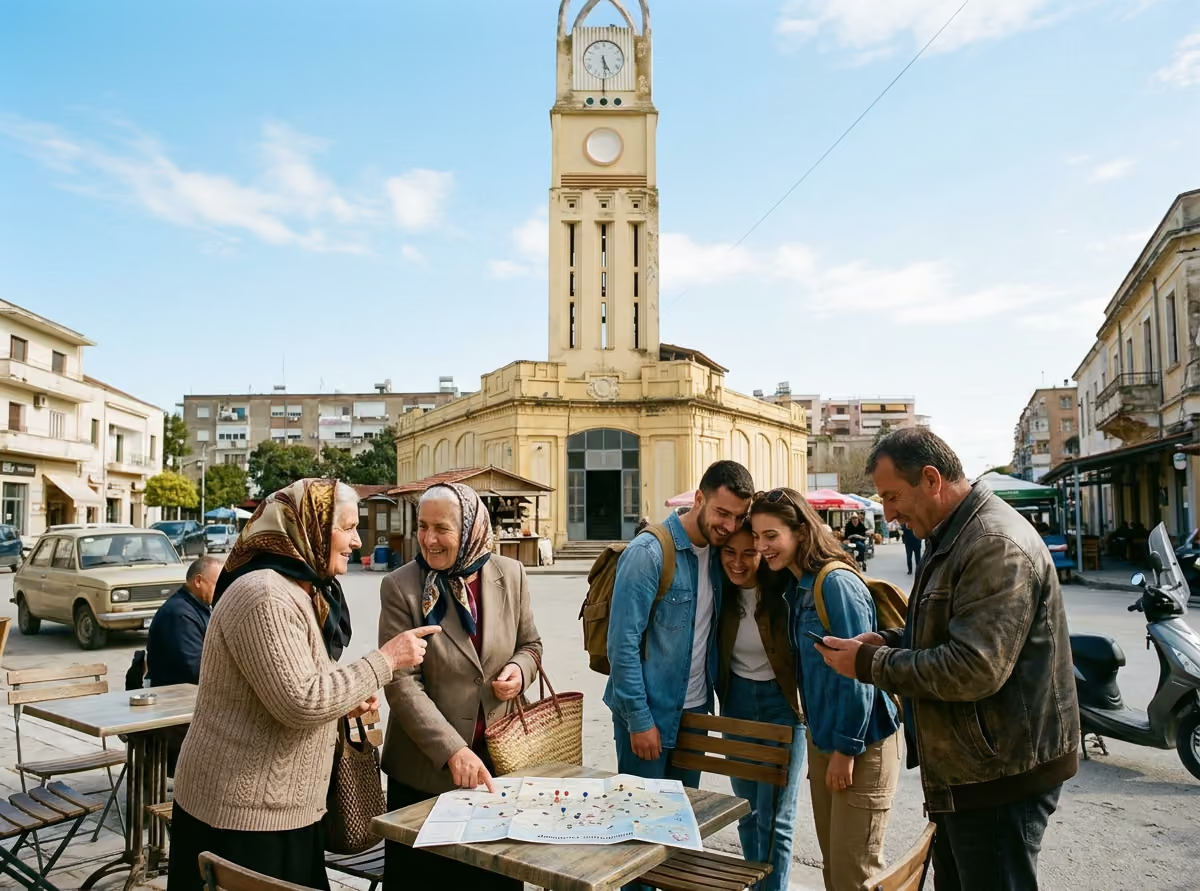
The romantic version says you will make friends just by being there. The real version is that connection takes small steps. Return to the same cafe. Greet the same bakery worker. Join one group activity. Attend one meetup. Send one message to a local community.
For solo female newcomers, Vlorë is commonly experienced as safe in the main coastal zones, but normal city caution still applies. Stick to well-lit Lungomare routes at night in your first week. Use taxis for late returns. Choose group tours rather than isolated trips when you are still learning the area.
For families, the first-week mistake is doing too much. Children need shade, simple food, and predictable beach time. Use Plazhi i Ri in the morning, then rest during peak heat. Narta can be a calmer family day if you pack snacks and water.
For retirees, the first-week mistake is judging the city by one steep walk or one noisy night. Choose a flat base near Lungomare or Plazhi i Ri, then test Old Town and viewpoints by taxi. Give yourself time to find quieter cafes away from the loudest evening strip.
For remote workers, the first-week mistake is trusting rental Wi-Fi without testing. Run a video call test. Check mobile data speed in your room. Visit two cafes during work hours, not only at sunset. Your work routine needs evidence.
For budget travelers, the first-week mistake is saving money in ways that create stress. A taxi on arrival may be worth it. A SIM card is worth it. A market lunch can balance those costs later.
Vlorë becomes easier after repetition. By the second walk down the same promenade, you see more. By the third bakery visit, ordering feels normal. By the fourth taxi or furgon question, you stop feeling like every errand is a test.
The strongest advice from Vlore Circle members is simple. Do not spend your first week trying to prove you are independent. Spend it building small support points.
Choose one cafe and return three times. Choose one bakery and learn how to order your usual. Choose one walking route and repeat it at different times of day. Choose one community event or group outing and show up, even if you only stay one hour.
A founder-style host tip: your first real connection in Vlorë may not happen at a big event. It may happen when you ask a cafe owner where to buy a phone charger, or when another newcomer recognizes you from Lungomare. Make yourself easy to recognize by returning to the same places.
If you are staying more than one month, use week one to screen your future life. Do you prefer the promenade or the historic core? Do you need quiet nights? Do you care more about beach access or errands? Your answers should shape your housing search.
If you are retired or semi-retired, treat the first week as a health and comfort test. Find the nearest pharmacy. Note flat walking routes. Check where taxis can pick you up without steep stairs. Try one cafe where you can sit without feeling rushed.
If you are a remote worker, treat the first week as an operations test. Confirm Wi-Fi, mobile data, backup cafes, power outlets, and noise. Make a list of three work-safe spots. Do not wait for your first deadline to learn this.
If you are here with family, assign each day one anchor only. Beach, Old Town, museum, lagoon, or boat. Leave space for naps, snacks, and slow meals. A calm family week builds better memories than seven overloaded days.
If you are solo, plan one social action before day seven. Join a boat tour, attend a meetup, message a local group, or ask someone from your accommodation for coffee. You do not need a full friend group in one week. You need a first thread.
Vlore Circle exists for this exact stage. We help newcomers, remote workers, retirees, expats, and locals connect through practical guides and real-life meetups. If you want a softer landing, Join the community and start with one event or one question.
Revisit this resource when you change neighborhoods, start a long-term rental search, host visiting family, arrive in peak summer, or return after winter. Your first-week plan is not only for first arrival. It is a reset tool whenever Vlorë starts to feel unfamiliar again.
Start small, repeat what works, and let the city become practical before you expect it to feel like home.
Follow Vlore Circle for fresh guides, local updates, and community notes around life in Vlorë. It is the easiest way to stay close to what we are building.

Be part of a growing community built around connection, local life, and a better experience of Vlorë.
join the circle