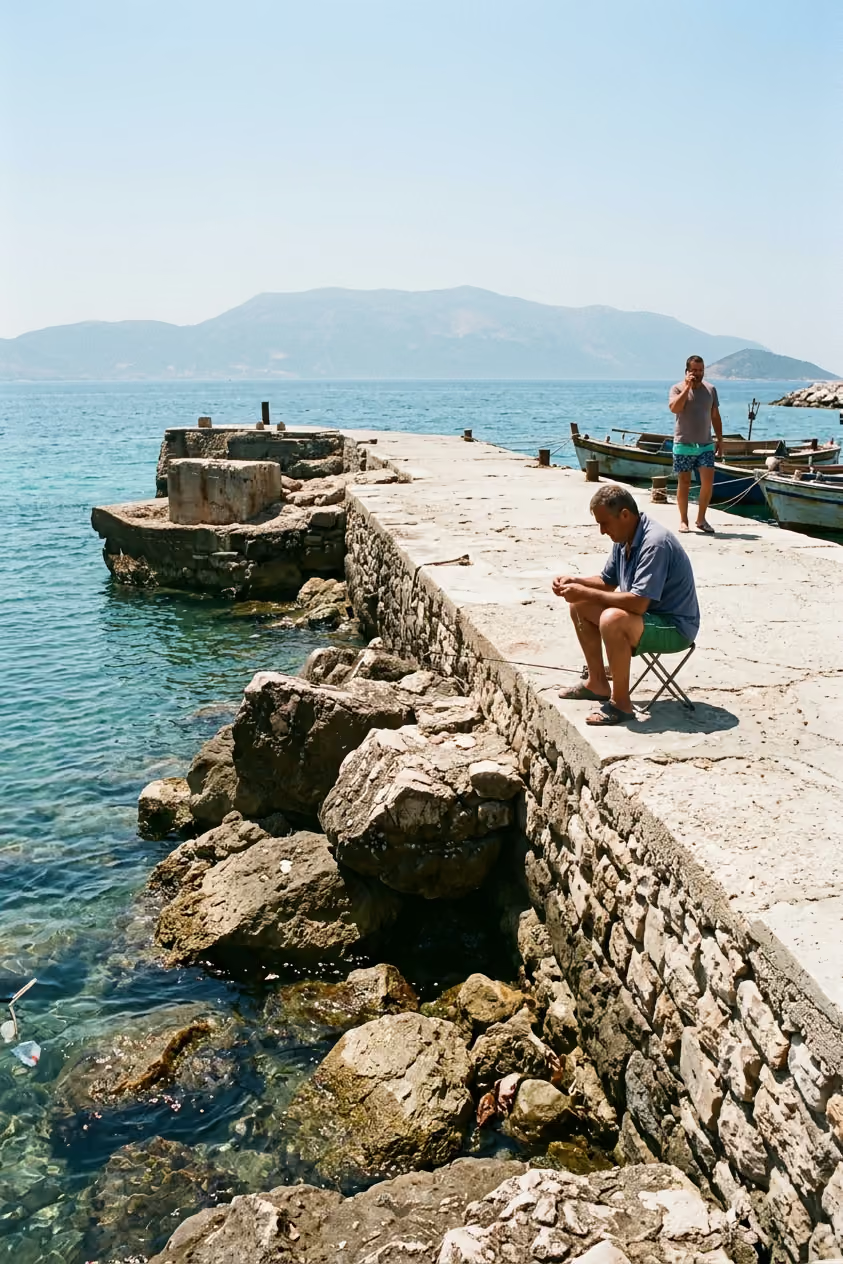
Representative image

Violent crime in Vlorë is rare despite common misconceptions, but new residents should prepare for everyday issues like chaotic traffic, occasional pickpocketing, and poorly lit backstreets.





You land in Vlorë with two bags, a saved apartment pin near Lungomare, and a phone full of mixed advice. One person tells you Albania is one of the safest places they have lived, then another warns you about driving, stray dogs, and taxi prices.
Vlorë is a low crime city by most resident reports, and violent crime against foreigners is rare. The main risks for newcomers are petty theft in busy spots, overcharging, poor road habits, and choosing the wrong street or beach edge late at night.
This guide is for expats, remote workers, retirees, solo travelers, and newcomers who plan to live here, not only pass through for a weekend. The goal is not to scare you. It is to help you feel calm, prepared, and realistic from your first week in the city.
Vlorë is not a city where most newcomers spend their day worrying about crime. Many expats walk the promenade at night, shop alone at the central market, take buses, and use cafés as remote work bases. The tone of daily life is relaxed, and the city still feels more like a coastal town than a large urban center.
The UK Foreign, Commonwealth and Development Office states that crimes against foreigners in Albania are rare. That matches the pattern reported by residents and travel writers who spend time in Vlorë. Travel Off Script describes Vlorë as safe for tourists and solo travelers, with road safety rated as the bigger concern than street crime.
You should still use normal city sense. Keep your phone close near busy market stalls. Do not leave your wallet on a café table on Lungomare. Do not walk down empty, unlit roads near construction zones after midnight.
The risk model is simple. Petty theft is low impact but more likely during summer crowds. Road accidents are higher impact and deserve more daily attention. Scams and overcharging sit in the middle, since they can cost money but are easy to reduce with local knowledge.
Violent crime is the least likely concern for most newcomers in central Vlorë. Resident reports from International Living and Old Town Explorer describe low crime and a strong sense of personal safety. Travel Ladies, a solo female travel safety platform, rates Vlorë as safe in its user based guidance.
That does not mean “nothing bad happens here.” It means the practical safety plan is different from what many foreigners expect. Your biggest habits should be crossing roads with care, checking taxi prices, securing valuables in crowded spaces, and learning which areas become quiet after dark.
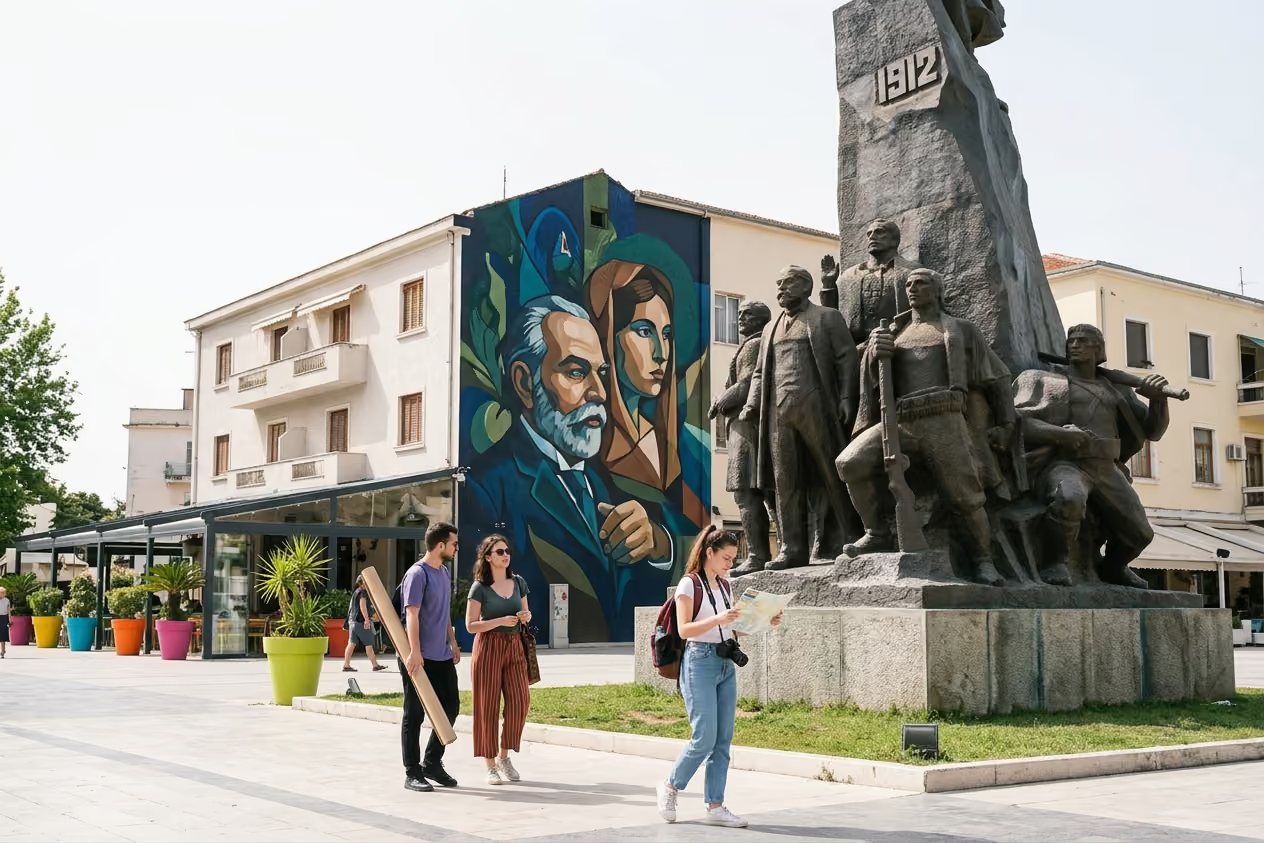
Vlorë is easiest when you split the city into daily zones. Green zones are places where most newcomers feel safe at normal hours, such as Lungomare, the beach walk, the central market during the day, Skelë, Pavarësia, and the main streets near Sheshi i Flamurit. Yellow zones are places where you slow down and pay attention, such as nightlife strips late at night, crowded summer beach sections, bus stops, and taxi pickup points. Red zones are not formal danger zones, but places to avoid alone after dark, such as unlit outskirts, empty beach edges, isolated hill roads, construction sites, and industrial stretches near the port.
This layered way of thinking works better than asking if Vlorë is “safe” or “unsafe.” Most of the city is safe for normal daily life. Some moments need more care, and newcomers usually learn them within the first month.
Safety in Vlorë is shaped by the city’s scale, family culture, summer tourism, and street life. People know their neighbors in many apartment blocks. Café owners remember regulars. Shopkeepers often notice when someone looks lost.
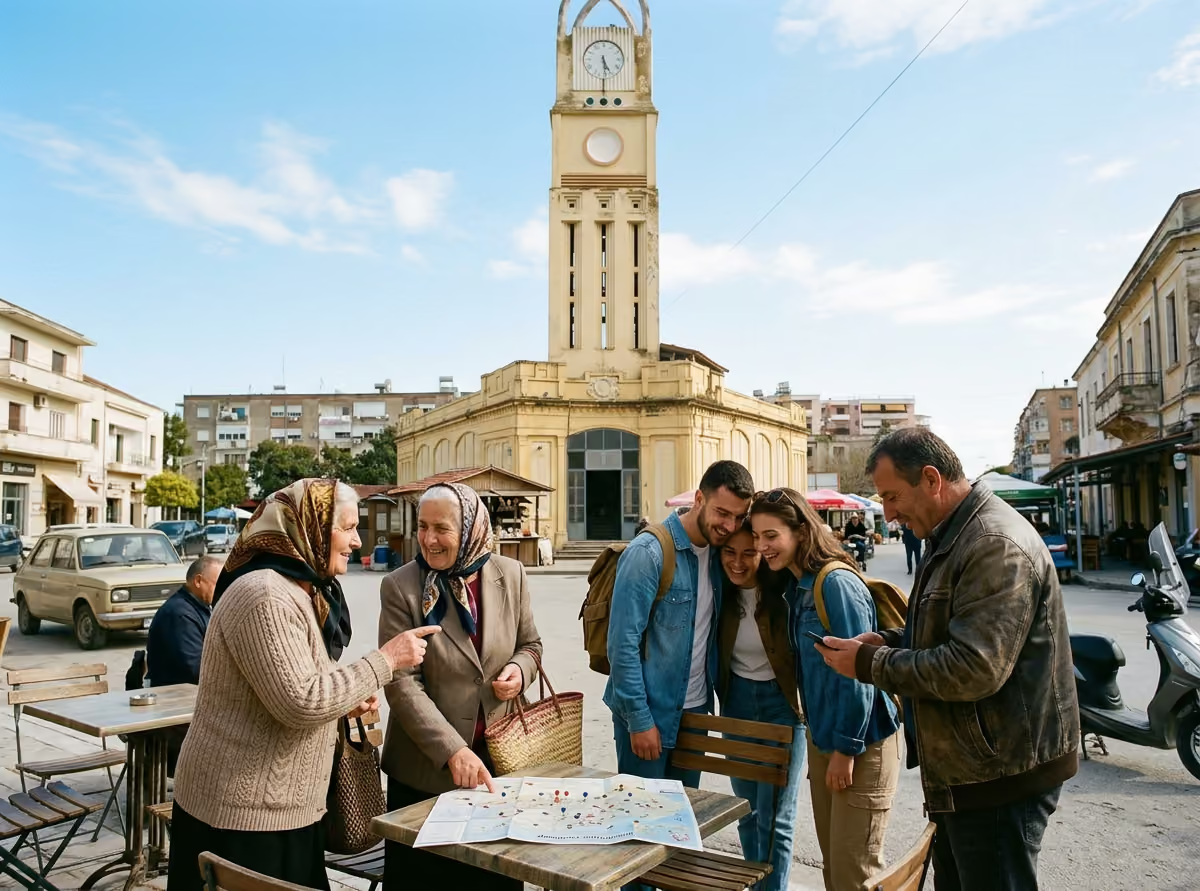
This local attention can feel reassuring. If you ask for help near the central market, someone may point you to the right bus or call a taxi driver they trust. Many older residents speak little English, but they often still try to help with hand gestures, Albanian words, or a phone translation app.
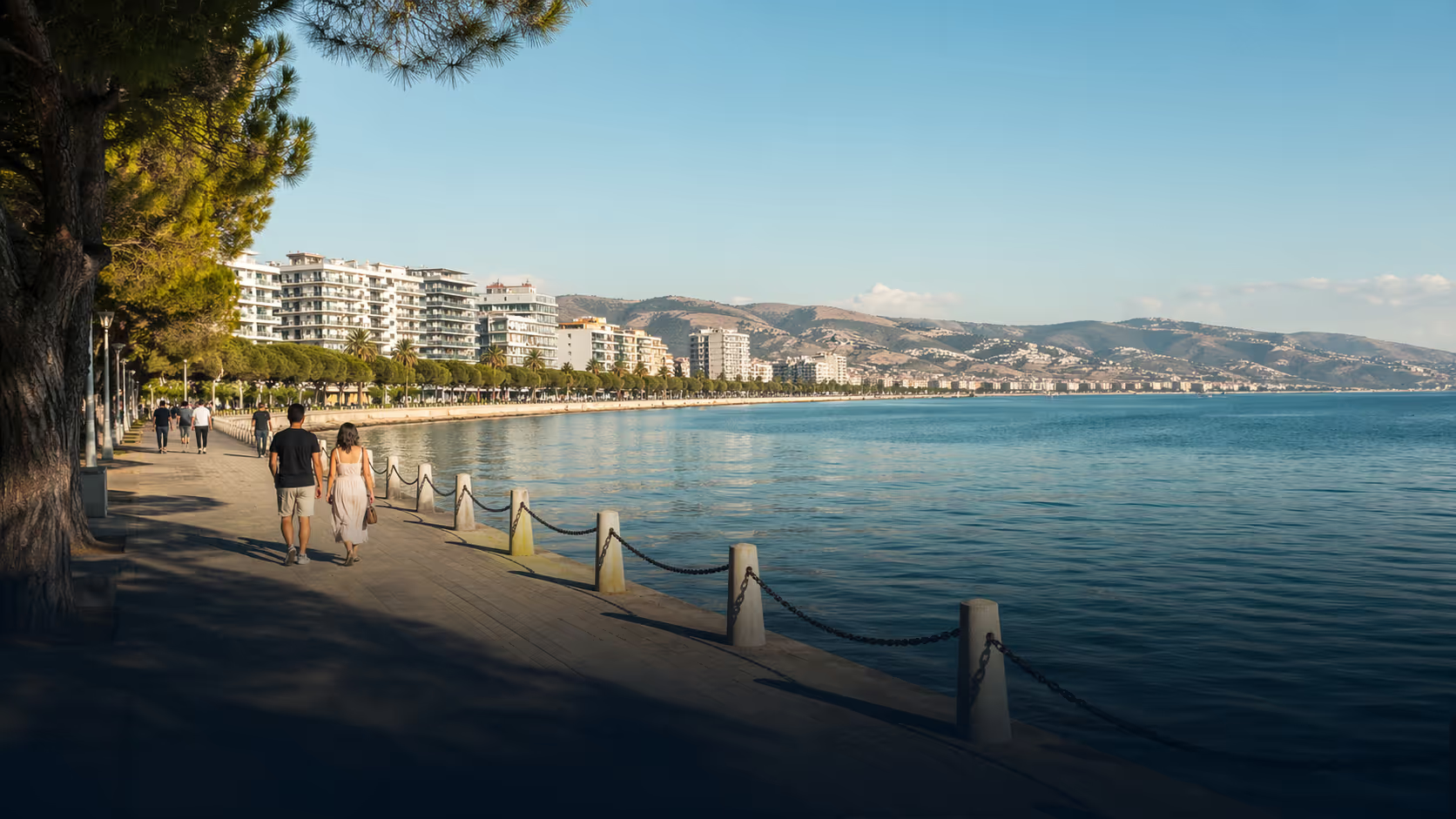
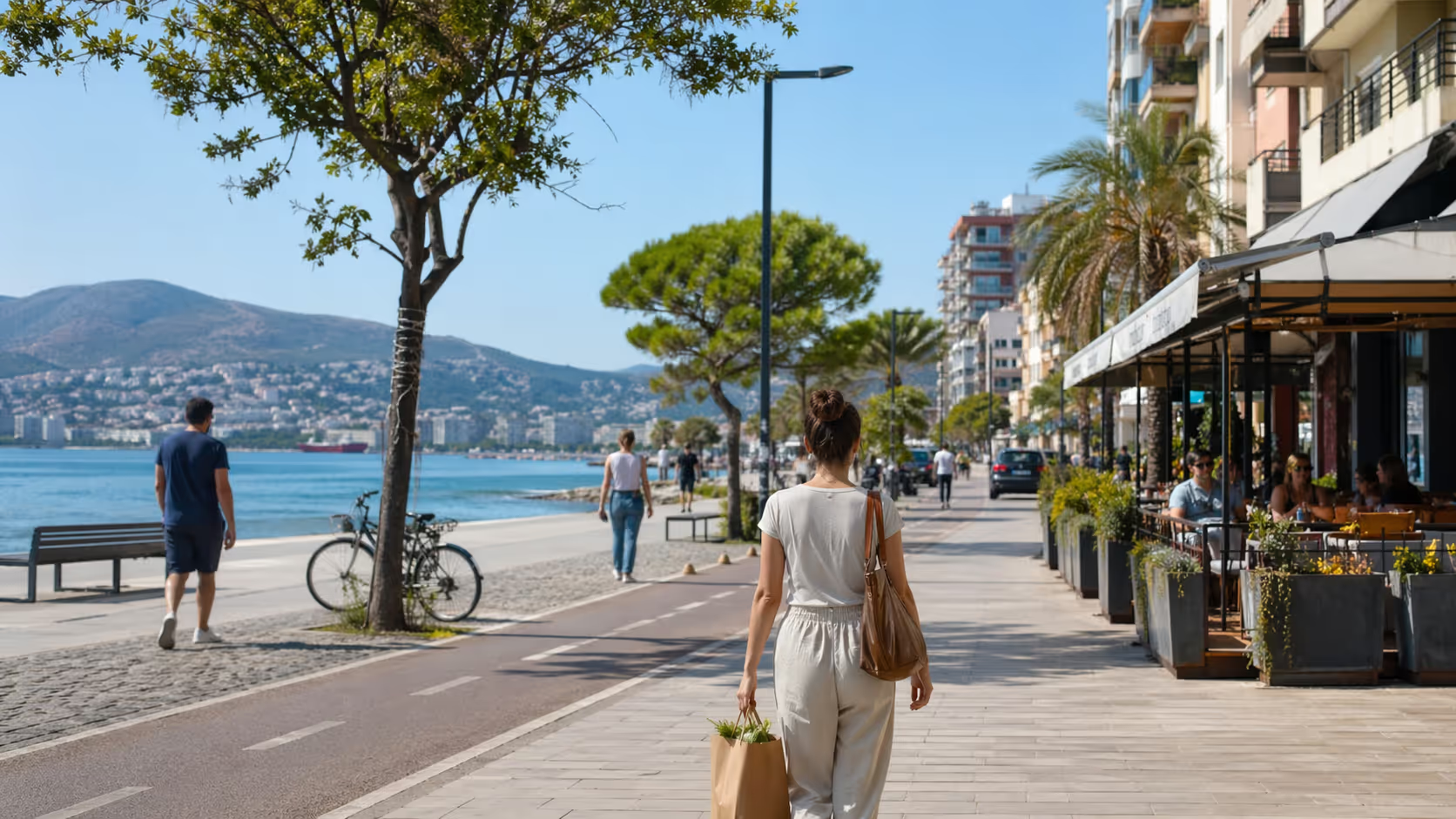
Vlorë has a strong outdoor rhythm for much of the year. In spring, summer, and early autumn, the promenade fills with families, couples, retirees, runners, and children. That public presence adds a layer of informal safety, mainly along Lungomare and the main beach area.
The city is not known for a heavy nightclub scene. There are bars, beach clubs, and summer venues, mainly around Lungomare, Uji i Ftohtë, and along the coastal road. But Vlorë is not the type of place where nightlife takes over every central street each weekend.
That reduces some alcohol linked problems. It does not remove them. Late nights near bars still raise the risk of lost phones, taxi overcharging, arguments, or someone taking advantage of a drunk visitor.
Vlorë’s safety picture changes with the season. In July and August, the city is full of local tourists, diaspora families, foreign visitors, and beach traffic. More people on the promenade can make you feel safer, yet crowds create better conditions for pickpockets and bag grabs.
In winter, the city gets quieter. The promenade can still feel calm and safe in the early evening. But empty stretches near beach edges, side roads, and distant apartment blocks feel more exposed after dark.
This matters for newcomers who choose housing. A cheaper apartment far from Lungomare or the center may look good online. The real question is how you will feel walking home at 10 pm in February, after rain, on a road with poor lighting and fast drivers.
Vlorë is also a car first city in many practical ways. You can walk and cycle in central areas, and the flat sections near the waterfront help. Yet road habits can feel aggressive to newcomers from countries with stricter enforcement.
Drivers may stop where you do not expect them to stop. Scooters may cut close. Crosswalks do not always mean cars will yield. Public buses work, but stops and schedules can feel unclear to a newcomer.
This is why a safety guide for Vlorë should not focus only on crime. It should focus on the full daily routine. Where you live, how you cross roads, where you go at night, how you handle taxis, and how you use your phone in public all matter.
Vlorë does not have many well known “no go” neighborhoods for foreigners. That is good news. It also means safety advice should be precise, not dramatic.
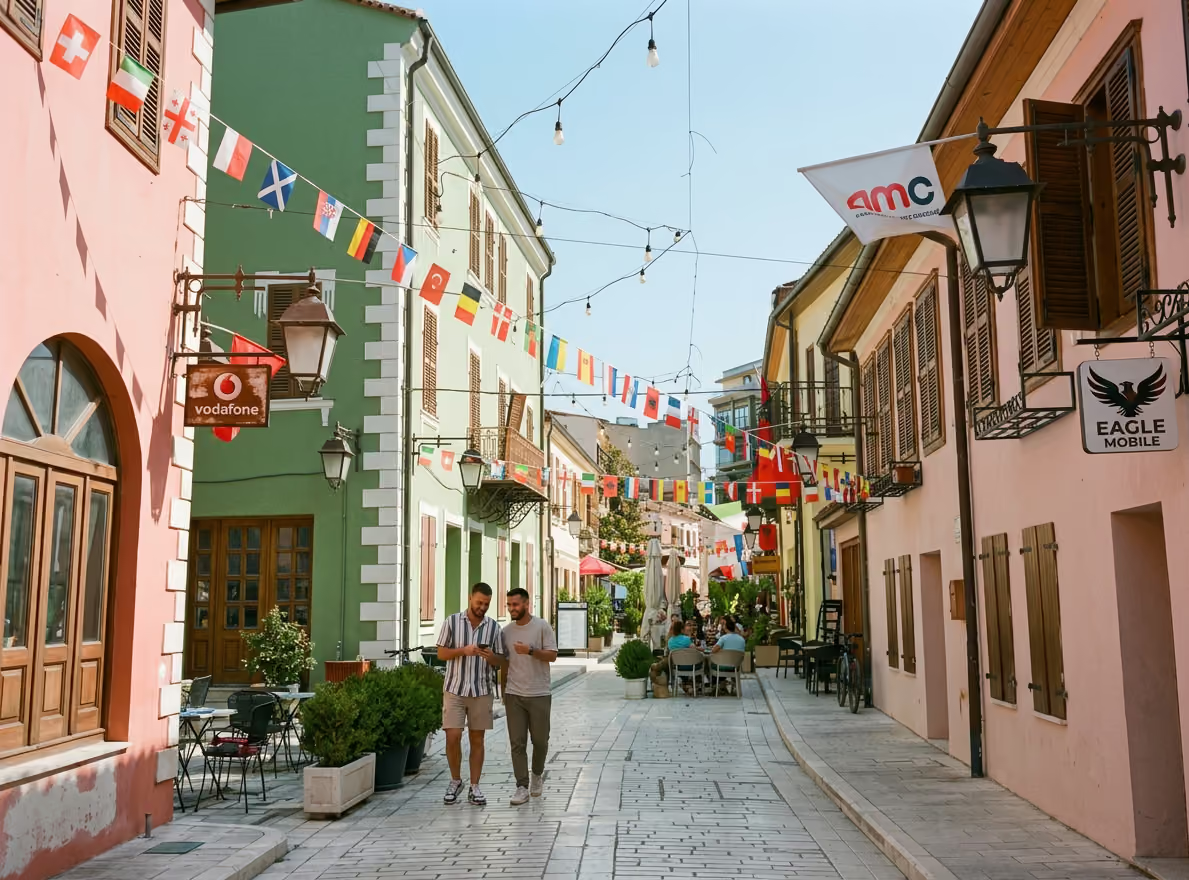
Most newcomers can feel comfortable in central and coastal areas during normal hours. Lungomare is the main comfort zone. It is open, visible, lit in many sections, and full of walkers during the warmer months.
The beach area near Lungomare is low risk in daylight. Families and café staff create a natural watch system. Many residents report leaving towels or sandals near the beach without issue, yet you should not leave phones, bank cards, passports, or a laptop unattended.
Skelë is another practical area for newcomers. It has cafés, shops, apartments, transport links, and year round foot traffic. It feels more lived in than resort like, which is useful if you are settling here.
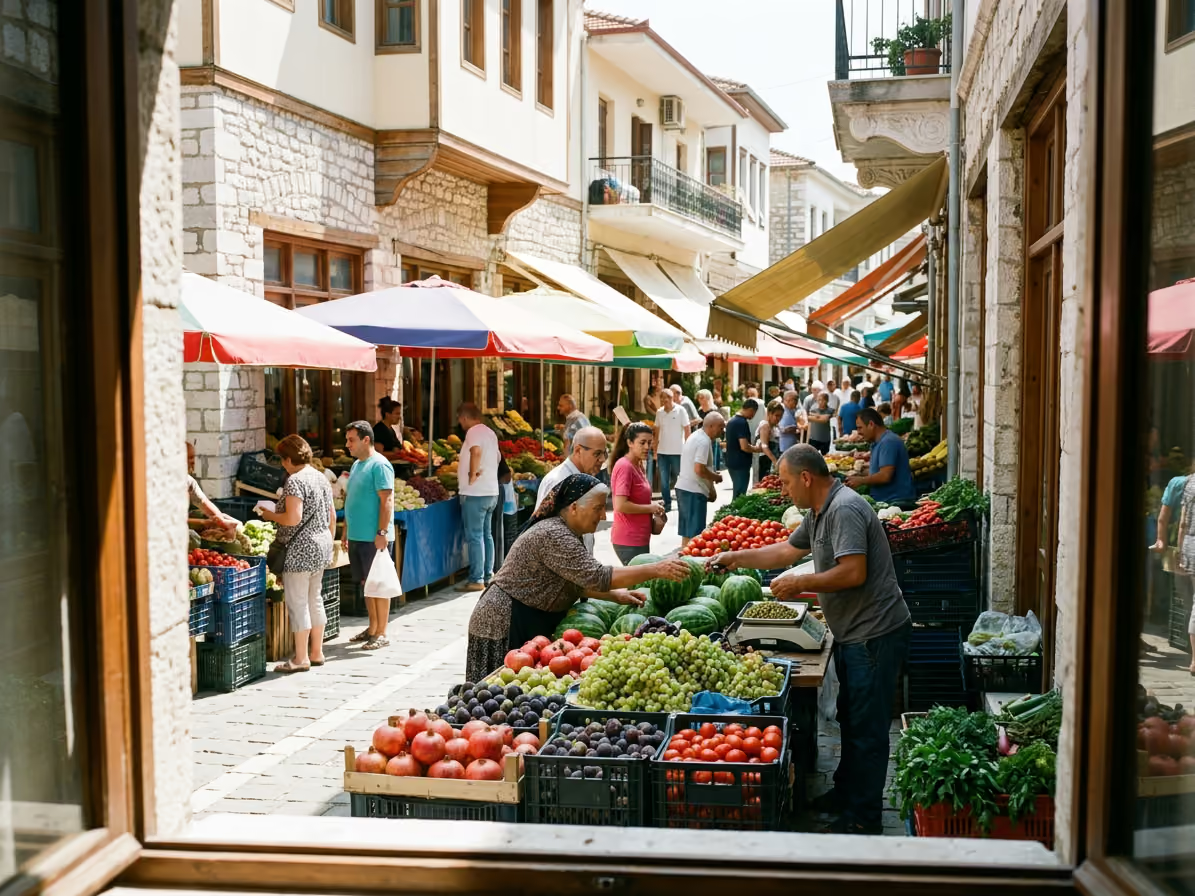
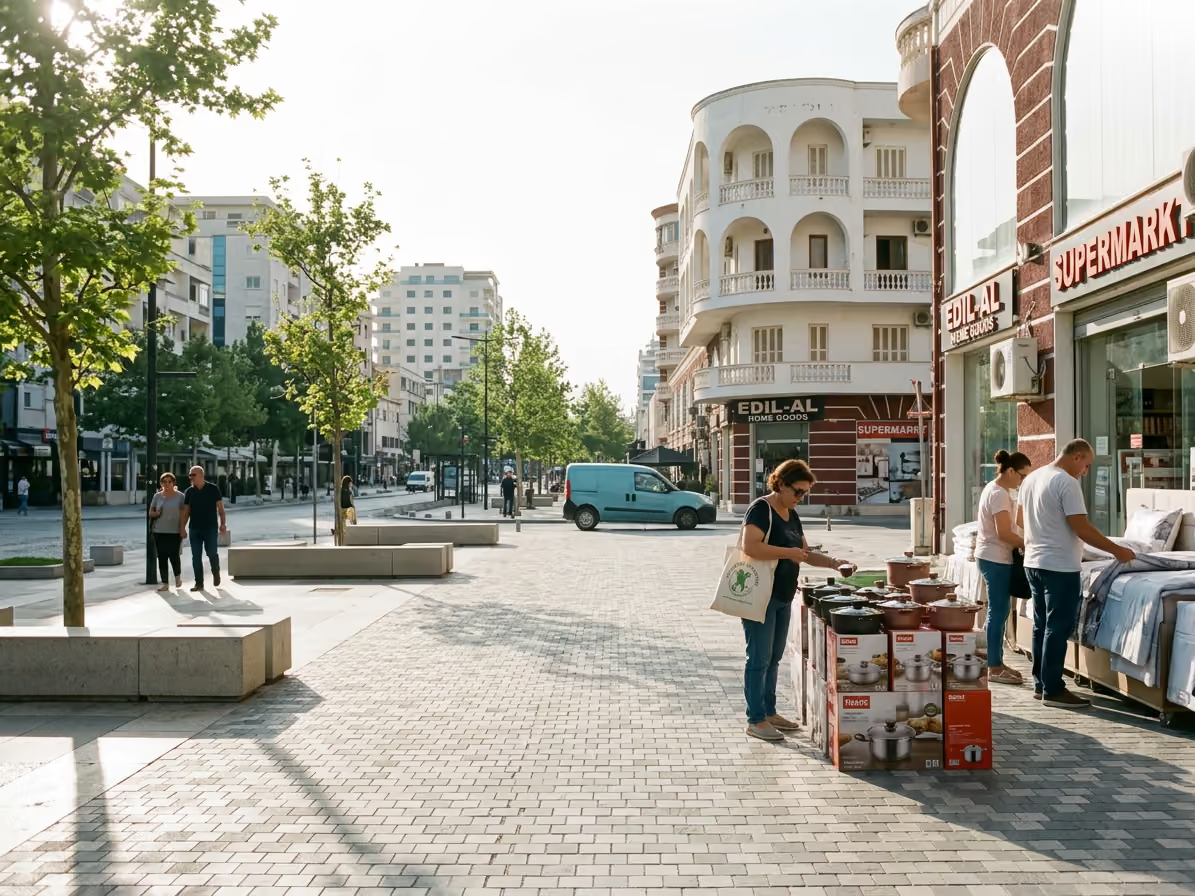
The area near Sheshi i Flamurit and the main center is active during the day. You will find banks, shops, phone stores, pharmacies, and the central market nearby. Petty theft risk can rise in busy market lanes, so keep your bag closed and your phone out of your back pocket.
The Old Town can be pleasant in daylight and early evening. It is better to stay on lit streets if you are new. Side lanes that look charming in photos may feel too empty late at night, mainly outside the summer season.
Uji i Ftohtë needs a balanced view. It has nice sea access, apartments, hotels, and summer restaurants. It also has traffic pressure, narrow road sections, and busy nightlife in peak season.
Treat Uji i Ftohtë as a yellow zone at night. Go with friends when you are still learning the area. Use a known taxi back to Skelë, Lungomare, or the center after late drinks.
The coastal road toward Radhimë is beautiful, but it is not ideal for late solo walking. Some sections have limited sidewalks and fast traffic. Use a car, trusted taxi, or group transport after dark.
The road toward Nartë and the lagoon can feel isolated outside daytime plans. It is fine for planned trips, cycling groups, birdwatching, or beach visits in daylight. It is not the place to wander alone at night with no clear return plan.
The port and industrial edges should be treated as practical zones, not social walking areas. Use them when you need a ferry, service, or appointment. Do not make empty service roads part of your night route home.
Construction areas are another red flag. Vlorë has many new buildings, mainly near the coast and expanding residential strips. Empty lots, unfinished stairwells, exposed drains, and poor lighting create more risk than crime itself.
If you are viewing apartments, ask to see the street at night. Walk from the entrance to the nearest main road. Check lighting, stray dogs, sidewalks, parked cars, and whether the ground floor has active shops or blank walls.
Newcomers often focus on rent and sea view. Safety is more about the walk home, the nearest shop, the nearest taxi point, and how many people pass the building after dark. A modest flat near Skelë may feel safer than a cheaper sea view place on a quiet road.
Petty crime in Vlorë is not the daily menace some people imagine. It exists, as in any city with tourism, markets, beach crowds, and nightlife. The good news is that normal habits lower most risk.
Petty crime means non violent theft or small money loss. This includes pickpocketing, bag snatching, phone theft, fake prices, taxi overcharging, and short change at busy counters. Lawyer Vlorë highlights these as the main visitor risks, rather than violent crime.
The highest risk settings are predictable. Crowded market lanes. Summer promenade crowds. Busy beach entrances. Bus waiting points. Late night taxi stands. Bar tables where bags hang on chair backs.
At the central market, carry a cross body bag or a small backpack worn on the front during busy hours. Keep cash in one pocket, not all of it in your wallet. Do not wave a large banknote when buying fruit or fish.
On Lungomare, do not walk with your phone loose in your hand near the curb. This is not meant to make you paranoid. It is a simple habit that protects you in any tourist area.
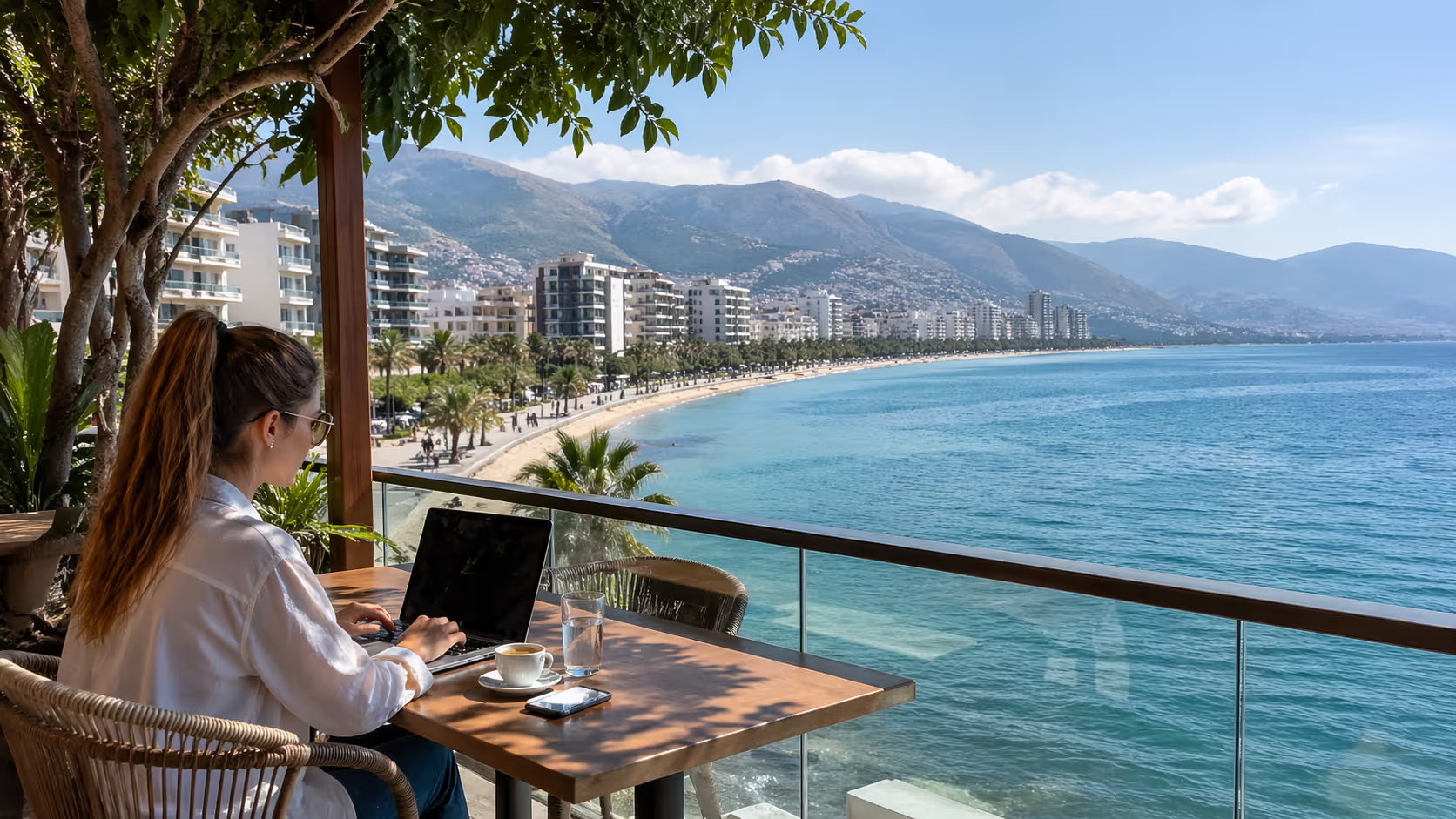
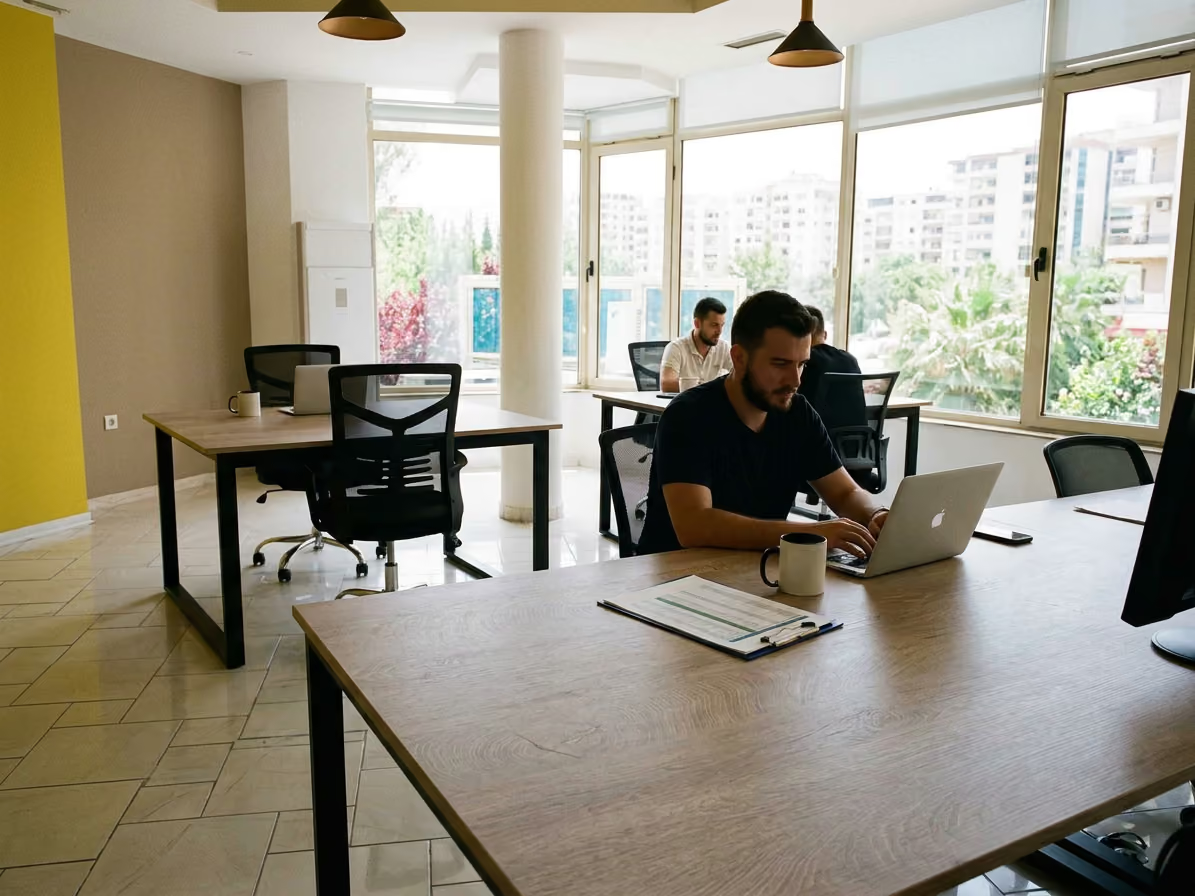
In cafés, keep your phone and wallet away from the table edge. If you work from a laptop in Skelë or near the promenade, choose a table where your bag is against the wall or between your feet. Do not leave your laptop at the table to order at the counter.
At the beach, split your items. Bring only what you need. Leave passport, spare bank cards, and extra cash at home.
If you swim alone, ask a nearby family or beach chair attendant to keep an eye on your towel. Albanians are often helpful with small requests. Still, do not test local trust by leaving expensive gear unattended.
Taxi overcharging is more common than theft. Resident and traveler reports place short city taxi rides at low prices by Western standards, often around a few dollars. International Living notes low transport costs in Vlorë, and Travel Off Script gives similar budget friendly examples.
Agree on the price before you get in if there is no visible meter. Save your destination in Albanian spelling. If a route from Lungomare to the center should be short, question a price that feels high.
Use landmarks. Say “Skelë,” “Lungomare,” “Sheshi i Flamurit,” or the name of the hotel near your apartment. Many drivers know landmarks better than exact street addresses.
Restaurant overcharging is less common when you read the menu first. Ask for prices before ordering fresh fish by weight. This matters most near beach restaurants in peak season.
Nightlife can create the classic small loss pattern. Someone drinks too much near Uji i Ftohtë, leaves a bag on a chair, then takes a random taxi home. The story ends with a missing phone or a bill that feels inflated.
The fix is simple. Carry one bank card, some cash, your phone, and your key. Leave your passport at home. Use a cross body bag that closes fully.
If something is stolen, report it to police and get a document for insurance. Lawyer Vlorë recommends keeping accommodation details, copies of documents, and any incident records. This is not only for legal problems. It helps with travel insurance, embassy contact, and replacement cards.
Do not treat every price difference as a scam. Foreigners may pay more when they do not understand the menu, the route, or the normal rate. Learn the local baseline during your first week, then you will know when something feels wrong.
Traffic is the area where newcomers should pay the most attention. Vlorë can feel easy on foot along Lungomare, but road behavior may surprise you. The problem is not constant danger. The problem is uneven habits.
Travel Off Script identifies roads and public transport as a main safety challenge in Albania. Buses may not use the fixed stop pattern that newcomers expect. Roads can be uneven, and enforcement can feel loose compared with stricter European cities.
Start with walking. In central Vlorë, use wide sidewalks where they exist, mainly along Lungomare and newer coastal sections. In older streets, sidewalks may be blocked by cars, scooters, bins, or shop displays.
At crossings, wait one extra second. Make eye contact with drivers. Do not assume a zebra crossing gives you full protection.
This is extra true near Skelë, Transballkanike, and main roads leading toward the coast. Traffic can move fast, then stop without warning. Scooters can appear from the side, mainly in summer.
Cycling can work well in Vlorë on flat sections. The promenade is one of the easier areas for relaxed riding, mainly in the morning before peak foot traffic. Our past guide on biking in Vlorë found that safe routes matter more than speed or distance.
Do not cycle like locals until you understand the flow. Wear a helmet if you have one. Use lights after sunset, even on short rides.
Scooter rentals need extra care. A scooter feels tempting for beach trips to Uji i Ftohtë or Radhimë. It can be useful, but only if you are confident in mixed traffic.
Check brakes, tires, lights, mirrors, and helmet quality before paying. Ask the rental place what to do after a breakdown. Take photos of the scooter before leaving.
Avoid riding a scooter after drinks. Avoid unfamiliar coastal roads at night. Avoid steep hill routes above town until you know the road surface.
Buses are cheap and useful, but they are not always clear. A resident report cited by Travel Off Script describes safe bus use, including solo travel, but missed stops and unclear stop points are common newcomer problems. Ask the driver or another passenger to tell you when you are close.
Download offline maps before your first few rides. Keep your destination open on your phone, but do not stand near the door with your phone loose. If the bus is full, move your bag to the front.
Taxis are the safer option late at night or after a beach dinner outside the center. Save two or three numbers once you find reliable drivers. Ask your landlord, café owner, or Vlore Circle members for current trusted contacts.
Expected safety related costs are low compared with many European cities. A short city bus ride is often reported around 35 to 40 ALL. Short taxi rides inside central areas are often a few hundred lek, with resident reports placing many short rides near the 200 to 400 ALL range.
Prices shift with distance, season, fuel costs, and driver choice. Ask before the ride. If you are traveling from Lungomare to a far apartment beyond Uji i Ftohtë, expect more than a short center ride.
A good newcomer rule is this. Walk when the route is central, lit, and familiar. Take a taxi when the route is dark, isolated, rainy, or outside your known area.
Solo travelers often feel better in Vlorë than they expected. The city has public family life, café culture, and a visible evening walking routine. Many solo women report feeling comfortable walking, taking buses, and spending time at the beach.
Travel Off Script shares positive solo female travel experiences in Albania, including public buses and hitchhiking without discomfort. Travel Ladies gives Vlorë a favorable safety picture for solo women. Resident accounts from International Living describe single expat life in Vlorë as calm with normal precautions.
That matters for women moving here alone. You do not need a full defensive plan for every errand. You do need a few habits that become automatic.
Choose housing with a safe night return route. For a first apartment, Skelë, Lungomare, central Vlorë, and parts of Pavarësia are easier than remote edges. Look for lighting, active ground floor businesses, and a taxi drop off point near your door.
Share your live location when going to a new area at night. This is not a sign that Vlorë is unsafe. It is a simple solo living habit.
Keep your first month social. Join walking groups, café meetups, language exchanges, or local events. Isolation can make a safe city feel harder.
For solo women, street attention may happen, but many report it as less aggressive than expected. A direct “jo, faleminderit,” meaning “no, thank you,” is useful. Keep walking with purpose.
If someone offers help, trust your read of the situation. Albanian hospitality is real. People may go out of their way to point you to the bus, call a driver, or translate with a clerk.
Use that kindness, but keep normal boundaries. Do not hand your phone to a stranger unless you feel comfortable. Do not enter a private car unless the situation is clear and you have shared your location.
Hitchhiking appears in some traveler reports as safe in Albania, but newcomers should treat it as an advanced local skill. If you have just arrived, use buses, taxis, or group rides first. Learn the geography before relying on informal lifts.
At night, solo safety is less about gender and more about route choice. Lungomare with people around feels different from an empty road behind new apartment blocks. A bright path home matters.
Solo remote workers should create regular places. Choose two cafés in Skelë, one on Lungomare, one gym or walking route, and one market stall where you shop often. Familiar faces add comfort fast.
If you feel watched or followed, step into a café, pharmacy, hotel lobby, or shop. Ask staff to call a taxi. You do not need perfect Albanian for this.
Save a few phrases. “Mund të më ndihmoni?” means “Can you help me?” “Kam nevojë për taksi” means “I need a taxi.” “Policia” means “police.”
Solo retirees should pay attention to trip hazards and road crossings. A fall on uneven pavement may be more likely than a crime incident. Good shoes matter more than a money belt on many Vlorë days.
The romantic version of Vlorë is easy to sell. Sea views, cheap cafés, orange sunsets on Lungomare, grilled fish, and friendly neighbors. All of that exists.
The daily reality has rough edges. Roads can be noisy. Pavements can break suddenly. Drivers may park across sidewalks. A quiet shortcut on a map may be dark and full of potholes.
Vlorë is safe, but it is not polished. You may feel safe from violent crime, then annoyed by traffic, loose dogs, missing street signs, or a taxi price that changes by season. This is normal for life here.
Many newcomers arrive thinking safety means crime stats. After a month, they learn that safety means good shoes, a charged phone, local contacts, and knowing which road to cross at which corner.
Housing is a good example. A new apartment tower near the sea may look perfect. Then you learn the street floods after rain, the entrance light fails, and the nearest grocery store is a 15 minute walk on a road with no proper sidewalk.
A cheaper long term rental can be smart, but do not let low cost pull you too far from daily life. International Living describes Vlorë as affordable, and that is true by many expat standards. Affordability should not replace route safety, building quality, and access to transport.
Summer creates another reality check. Vlorë feels full, social, and safer in numbers. At the same time, beach crowds increase petty theft risk, traffic becomes more stressful, and restaurant prices can rise.
Winter flips the pattern. The city feels calm and local. But some streets empty early, coastal businesses close, and long walks outside the center feel less comfortable after dark.
There is also the language layer. Many younger people speak English, mainly in cafés, hotels, and tourist businesses. Older residents may not.
This is not a safety threat by itself. It becomes a problem when you need directions, a pharmacy, a police report, or help with transport. Keep a translation app ready and save your address in Albanian.
Police presence is visible in many central and tourist areas, mainly in summer. That adds reassurance. Yet you should not expect police to solve every small problem quickly, mainly when language and documents are involved.
The best safety plan in Vlorë is local routine. Know your corner shop. Know your building administrator. Know one taxi driver. Know one person you can call if you are confused about a place, price, or route.
That is one reason Vlore Circle exists. Practical safety often comes from human contact, not from a perfect map. If you are new, Join the community and ask residents which routes feel best right now.
Your first two weeks set the tone. You do not need to solve everything at once. Focus on home, transport, money, documents, and daily routes.
Start by mapping your base. Stand outside your apartment building during the day. Find the nearest supermarket, pharmacy, bakery, ATM, taxi pickup point, and main road.
Then repeat the same walk at night. Do it before 9 pm first. Check lights, dogs, traffic, and how many people are around.
Save your home location in Google Maps or another map app. Save it in Albanian spelling if possible. Send it to one trusted person.
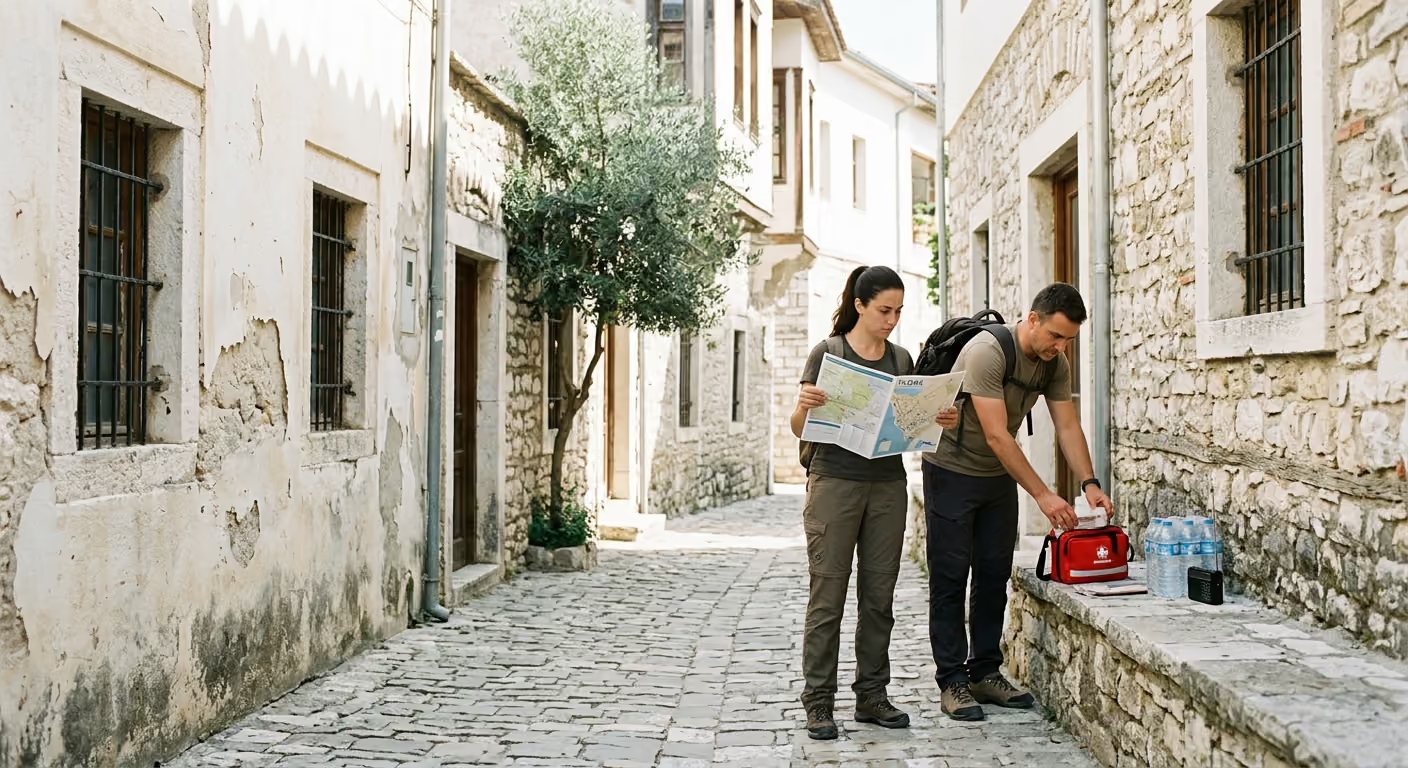
Create a small document folder. Keep your passport, residency papers if you have them, rental contract, health insurance, and copies of key pages in one place at home. Keep digital copies in cloud storage.
Do not carry your passport for beach walks or normal errands. A copy or photo is enough for most non official situations. Carry your actual passport only when needed for banks, government offices, or travel.
Set up your phone for local life. Get an Albanian SIM or eSIM with enough data. Offline maps are useful when signal drops or your plan runs out.
Save emergency and help contacts. Albania uses 112 for emergency help. Police can be reached at 129, ambulance at 127, and fire service at 128. Check these numbers after arrival, since phone routing can vary by provider.
Ask your landlord or host for the nearest police station, 24 hour pharmacy, and reliable taxi number. Write them in a note on your phone. Do not wait until midnight to ask.
Learn your first safe walking loop. For many newcomers, this is home to Lungomare, then back through a main road with shops. Repeat it until it feels familiar.
Learn your first market route. Go to the central market in the morning. Keep your cash simple, buy small items, and watch how locals move through the stalls.
Test one bus route during the day. Pick an easy destination, such as Skelë to the center or a short coastal route. Sit or stand where you can see your map and ask someone near you for the stop.
Take one taxi before you need one at night. Ask the price, check the route, and save the driver if the ride is fair. A trusted taxi contact is worth more than a random late night search.
Visit your nearest clinic or pharmacy before you are sick. Ask about opening hours. Pharmacies are often a first stop for minor issues.
If you plan to cycle, ride early in the morning first. Test road surfaces, crossings, and traffic flow. Do not start with a sunset ride in peak season crowds.
If you plan to rent a scooter, wait until you understand traffic. Ask residents which roads to avoid. Start with short daylight rides only.
Review your apartment security. Check the main door, balcony lock, building entrance, stair lighting, and intercom. Ask who has keys.
If you live on a lower floor, do not leave valuables visible from the balcony. This is common city sense, not a sign of high burglary risk.
Set money habits early. Use ATMs in visible spots near banks or central streets. Avoid counting large cash amounts on the sidewalk.
Ask for receipts when dealing with bigger payments. For rent, deposit, scooter rental, or expensive services, keep written proof. Lawyer Vlorë recommends documentation as part of safe tourism practice.
Build a local circle. Meet one neighbor, one café owner, one expat, and one local service person. Those small links make the city feel safer fast.
Night safety in Vlorë is mostly about choosing the right route and keeping control of your night. The promenade is the safest feeling place after dark for many newcomers. It has lighting, movement, cafés, and families during much of the year.
The risk rises when you leave bright public areas for quiet shortcuts. A side road behind a hotel may look faster. If it is empty, dark, or full of parked cars, choose the longer main road.
If you go out near Uji i Ftohtë or along the coastal road, plan your way home before the second drink. Save a taxi number. Keep enough cash for a ride.
Do not rely on finding a taxi instantly in every season. Summer has more drivers, but demand rises. Winter can feel quiet, mainly outside the main strips.
Keep your bag closed in bars. Do not hang it behind you. Put it across your body or on your lap.
If you drink, reduce what you carry. One card, limited cash, keys, phone, and a copy of your ID are enough for most nights. Leave expensive jewelry at home.
Beach safety has its own rhythm. In daylight, public beach sections near Lungomare feel low risk. Still, water, sun, and distraction make people careless with belongings.
Use a simple beach kit. Towel, water, sunscreen, small cash, and one card if needed. Avoid bringing a laptop to the beach unless you have a trusted person watching it.
If you use paid loungers, choose a spot with staff present. Ask the price before sitting down. Keep the receipt or remember the staff member.
Summer crowds raise pickpocket risk near beach entrances, ice cream shops, busier promenade points, and public events. Move your phone from back pocket to front pocket. Close your bag before entering a crowd.
Crowds also affect traffic. The coastal road can slow down, scooters cut between cars, and pedestrians cross everywhere. Give yourself extra time.
For families, Vlorë is comfortable in many central areas. Children are common on Lungomare late into summer evenings. Still, keep kids close near roads, scooter paths, and beach parking areas.
For dog concerns, treat stray dogs with calm distance. Most are not aggressive, but packs can form near empty roads or bins at night. Avoid running past them, and do not carry food openly near groups of dogs.
For swimming, check the sea before entering. This is outside crime safety, but it matters. Wind, boat traffic, slippery rocks, and sudden depth changes are more realistic risks than theft on many beach days.
If you go beyond the main beach to quieter coves or rocky spots, go with someone at first. Tell a friend where you are going. Bring water and a charged phone.
Our strongest host tip is simple. Do not judge an area from a sunny apartment viewing. Walk the route at night before you sign anything long term.
Many newcomers fall in love with a balcony view, then ignore the ground level reality. The view may face the bay, but your daily life happens at the entrance door, the road crossing, the bin area, the shop corner, and the walk back after dinner.
Ask three questions before choosing a place. Would I walk here alone at 10 pm in January? Can a taxi stop right outside? Is there a lit main road within a few minutes?
If the answer is no, the rent should be very good, and you should have a clear transport plan. For most newcomers, paying a little more for Skelë, Lungomare, or central access is worth it for the first six months. You can move later once you know the city.
A second tip is to build local trust before you need help. Introduce yourself to the building cleaner, the shop under your apartment, and the café you visit often. These small ties are part of how Albania works.
A third tip is to keep your safety advice current. Vlorë changes by season, construction projects, traffic patterns, and new apartment zones. A street that feels empty in winter may feel fine in July, and a summer shortcut may feel wrong in November.
Resident knowledge beats old online comments. Ask people who live near your exact area. A retiree in Pavarësia, a remote worker near Lungomare, and a family in Uji i Ftohtë may give different safety advice, and all three can be true.
Vlore Circle was built for this kind of practical local exchange. We are not here to sell a fantasy version of the city. We are here to help residents connect, settle, and make better daily choices.
Revisit this guide before signing a lease, renting a scooter, moving to a new neighborhood, staying out late in a new area, or hosting friends who are visiting Vlorë for the first time. Safety here is steady, but your habits should change with season, location, and routine.
Vlorë is a safe and welcoming city for most newcomers who use normal street sense. Learn the routes, respect the roads, keep your valuables close, and build local connections early.
Follow Vlore Circle for fresh guides, local updates, and community notes around life in Vlorë. It is the easiest way to stay close to what we are building.

Be part of a growing community built around connection, local life, and a better experience of Vlorë.
join the circle