Representative image

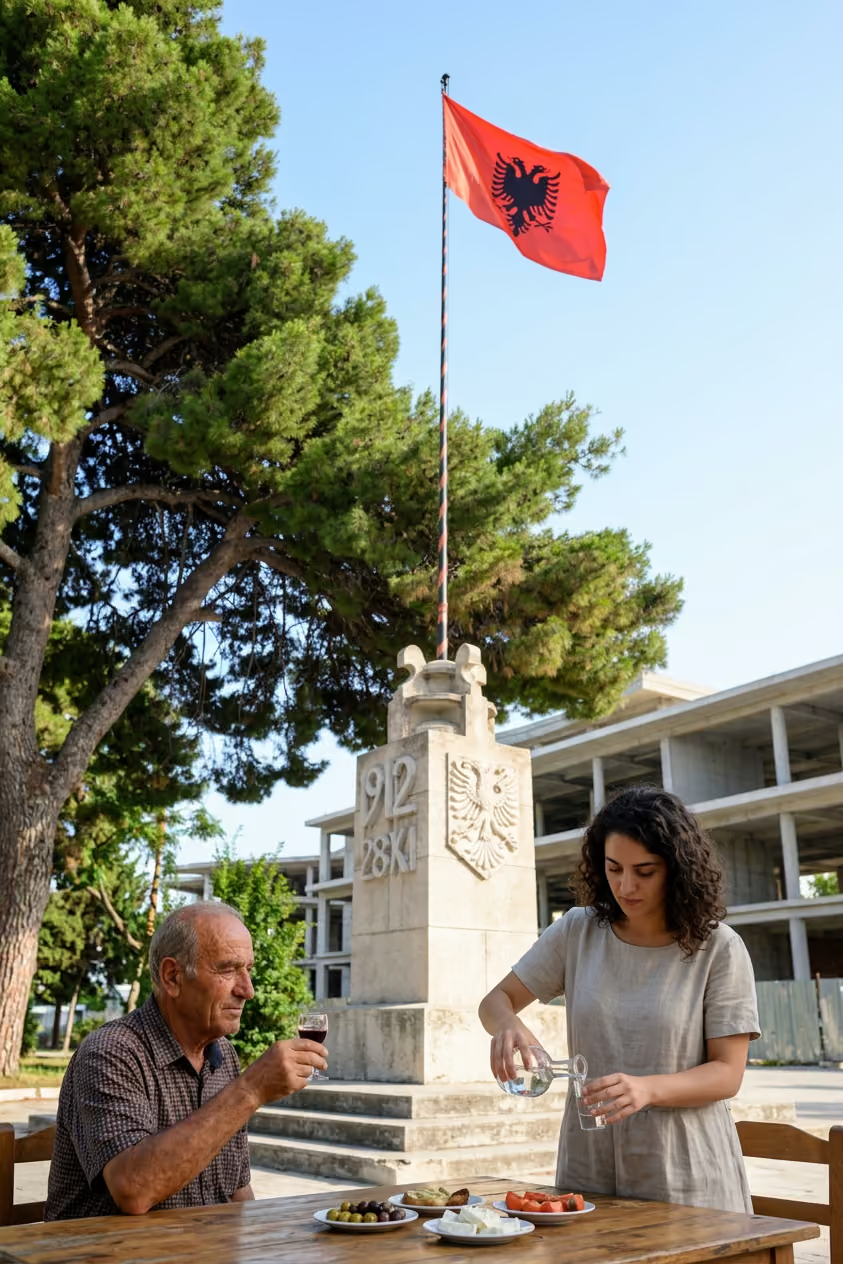
A true sense of coastal Albanian hospitality comes through visits to family vineyards, tastings of native grapes, and traditional raki pairings in Vlorë.





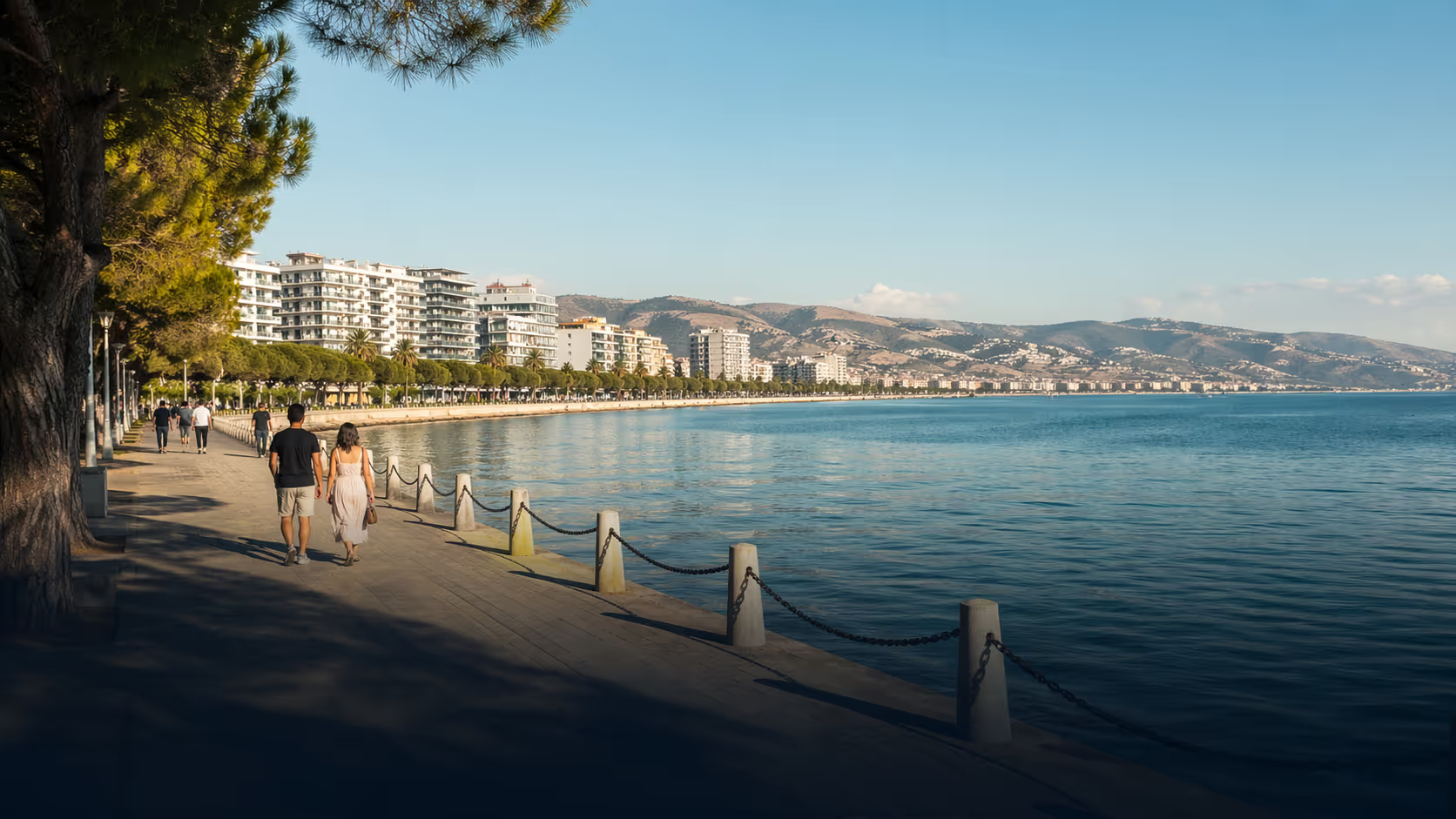
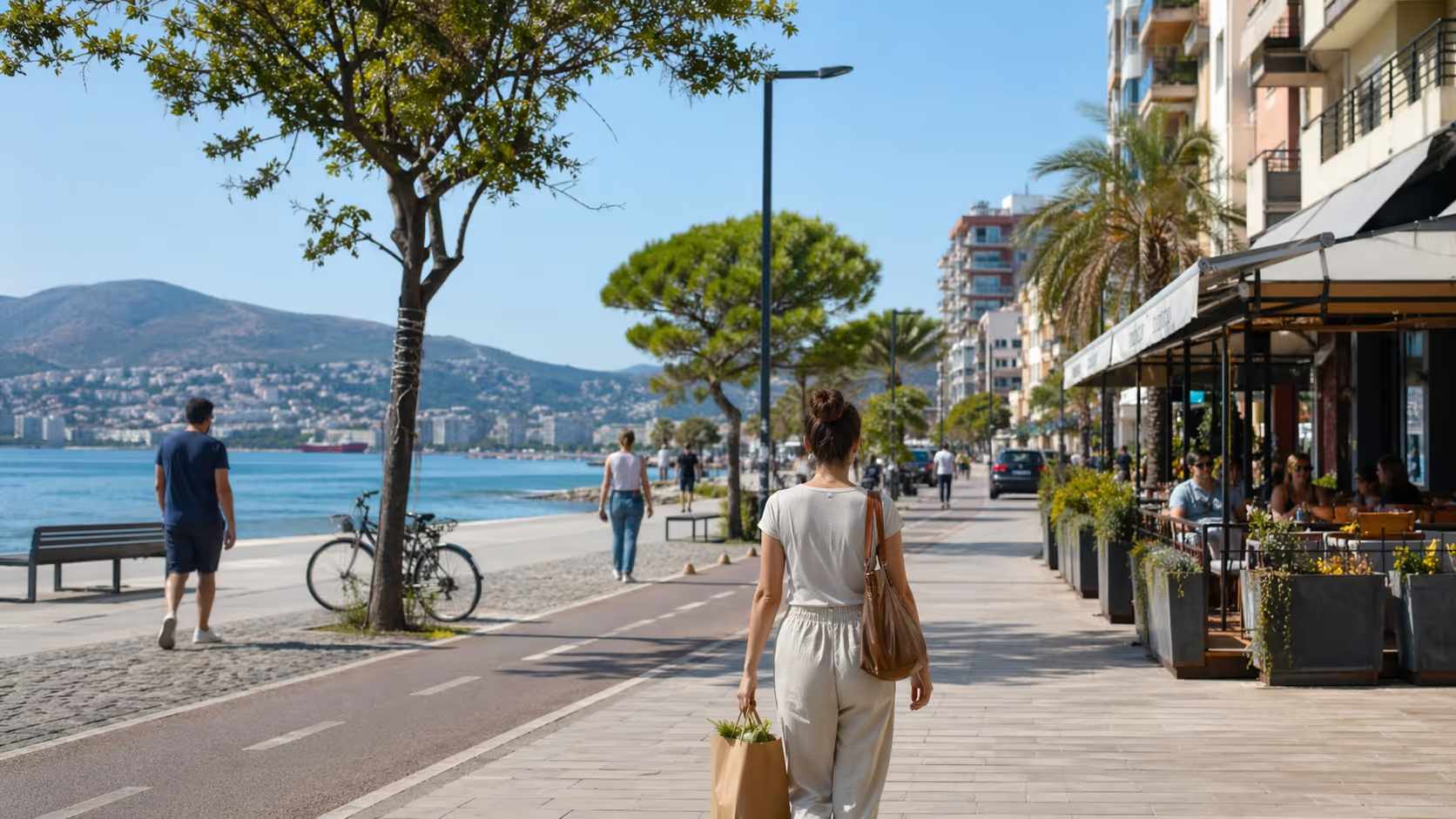
You arrive in Vlorë, walk the Lungomare near the sea, and see Italian wine on many menus. Then someone at the next table orders a local bottle, a plate of cheese, and a small glass of raki after dinner. That is the moment many newcomers realize wine and raki here are not just drinks, they are a way into Albanian hosting.
The best way to taste wine and raki in Vlorë is to mix one producer visit, one city wine bar, and one home-style meal where raki is served with food and conversation. Start with native grapes like shesh i bardhë, shesh i zi, vlosh, and kallmet, then use raki as a cultural experience rather than a quick shot.
Vlorë is not Tuscany, Bordeaux, or a polished global wine capital. That is part of the appeal. The wine scene here is smaller, more personal, and tied to the coast, hills, farms, and family tables around the city.
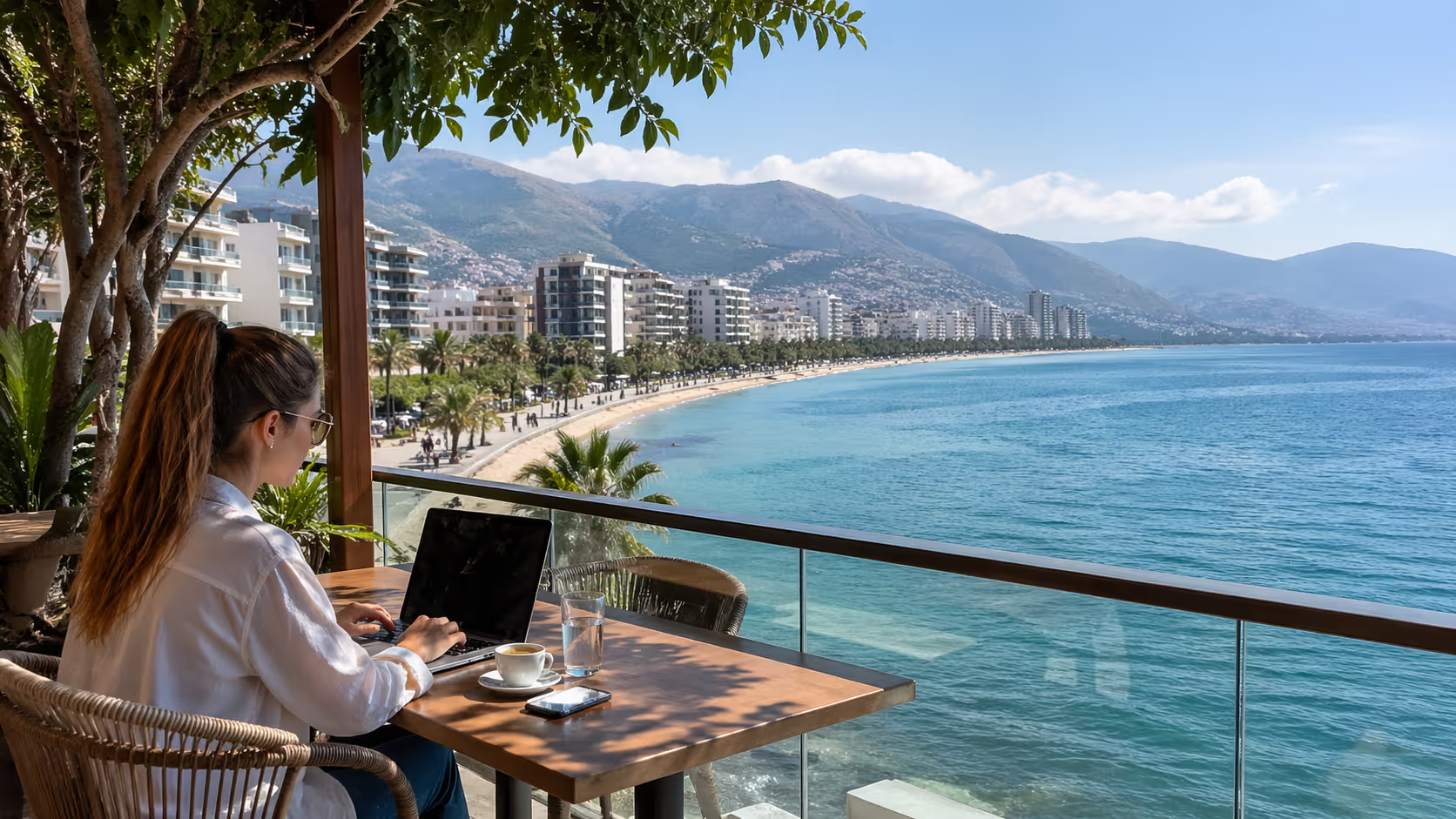
For expats and remote workers, wine and raki can make Vlorë feel less like a place you are passing through. A tasting in Dukat, a glass near the promenade, or a homemade raki poured after lunch can lead to real local conversation. In Albania, hospitality often starts with food and drink.
The practical side matters too. Many newcomers want to meet people without only sitting in cafés with laptops. Wine tastings, farm visits, and group meals give you a softer entry into local life. You learn how people talk about land, weather, family, and guests.
Vlorë has a rare position. The city faces the sea, sits near Narta Lagoon, and has hills and villages close enough for a half-day visit. VinNatur lists SEB Balaj Winery vineyards at 80 to 250 meters above sea level, only 1 to 4.5 kilometers from the Adriatic coastline. That mix gives local wines a coastal edge.
The climate shapes the glass. Sea air, sun, loamy soil, and breezes from the Mediterranean all affect the grapes. You may hear people talk about salt, freshness, herbs, ripe fruit, or firm tannins. These are not abstract notes when you have just driven past the lagoon or walked along the beach.
The raki culture is just as local, though less documented in public sources. Raki is commonly served at homes, traditional restaurants, and village tables. It is often tied to grapes, harvest, family recipes, and trust.
For newcomers, the rule is simple. Treat raki with respect. Sip it, eat with it, and never turn it into a drinking contest.
The best starting point is native Albanian grapes. They help you understand why wine here feels different from the imported bottles you may know. These grapes carry local memory, local farming habits, and a taste of place.
Gambero Rosso International reports that shesh i bardhë and shesh i zi cover around 35 percent of Albania’s national vineyards. Shesh i bardhë is the white version, and shesh i zi is the red version. The word “shesh” has a deeper meaning too.
According to Gambero Rosso, “shesh” means “razed to the ground” in Albanian. The name recalls the destruction of Catholic churches during Ottoman occupation. This makes the grape name more than a wine label.
That story matters for people moving to Vlorë. It shows how food and drink in Albania often carry history in plain sight. You might meet a bottle in a bar, then find out the grape name has national memory inside it.
Shesh i bardhë is a white grape. In local natural wine, it can show acidity, texture, and good aging potential. It is not only a light summer white.
At SEB Balaj Winery, shesh i bardhë is used in an orange wine with 35 days of skin contact. Gambero Rosso notes that this wine is then aged in terracotta amphorae for 16 months. That is a serious, planned choice.
Orange wine can surprise people who expect white wine to be pale, simple, and crisp. Skin contact gives color, grip, and depth. Pair it with salty cheese, grilled vegetables, or richer fish near the Lungomare.
Shesh i zi is the red version of the grape. It can bring structure, darker fruit, and a local Albanian profile. It often works better with food than as a stand-alone sipping wine.
At SEB, shesh i zi appears in Plaku, a blend with vlosh. Gambero Rosso reports that Plaku is matured in chestnut barrels for 16 months. Chestnut gives a different feel from the oak many drinkers know.
For pairing, think grilled lamb, slow cooked meat, sausage, or hard cheese. If you eat at a village-style table outside the city center, this is the kind of red that can hold its own.
Vlosh is closely tied to the Vlorë area. TasteAtlas lists rrushi vlosh as a grape variety associated with Albania. For people based in Vlorë, this is the grape to ask about if you want a local talking point.
Vlosh can bring aromatic intensity, tannins, and spicy notes. It is often part of red blends. At SEB, it appears with shesh i zi in Plaku and with kallmet and shesh i zi in Sason.
Vlosh is useful for pairing. It can take on meat, baked dishes, and stronger flavors. Try it with tavë kosi, grilled meats, roasted peppers, or aged kaçkavall.
Kallmet is another Albanian red grape with a strong reputation. Gambero Rosso describes it as known for elegance and versatility. In Vlorë, you may meet it in blends rather than as a single grape wine.
SEB uses kallmet in Sason, a fresh and tannic red with shesh i zi and vlosh. That style suits a meal where several plates arrive at once. It can handle meat, cheese, tomatoes, and herbs.
For newcomers, kallmet is a good bridge. It may feel more familiar than some local grapes. Yet it still gives you a clear Albanian reference point.
SEB’s Lagune includes shesh i bardhë, pules, and debinë i bardhë. Gambero Rosso describes Lagune as a saline white with 20 days of maceration. The wine links clearly to the coast and the lagoon.
This matters in Vlorë since seafood is part of daily eating for many residents. Lagune is the kind of wine to match with grilled fish, mussels, marinated anchovies, or fried calamari. It can cut through oil and salt.
If you live near the beach area, this is the pairing idea to remember. Buy local fish, keep the meal simple, and choose a white with texture rather than a bland supermarket bottle.
Vlorë’s wine scene is not huge. You should not expect endless tasting rooms with fixed opening hours and English tours every hour. You should expect smaller producers, direct messages, seasonal rhythms, and a need to book ahead.
That can be a benefit. The best experiences often feel personal. You may meet someone connected to the farm, the cellar, or the family.
SEB Balaj Winery is the key name to know for natural wine near Vlorë. VinNatur lists the winery as producing 15,000 bottles a year from 7 hectares of vineyards. That is a small scale by international standards.
Gambero Rosso reports that SEB Balaj was founded in 2018 by Artan Balaj with Italian partners Vincenzo Vitale and Daniela Fabrizi. It is described as the first winery in Albania fully dedicated to natural wine production. That gives the winery a clear place in Albania’s modern wine story.
Natural wine here does not mean rough or accidental. It means a planned style with minimal intervention, native grapes, and old vessel choices. Terracotta amphorae and chestnut barrels show a clear winemaking point of view.
SEB’s wines are useful for learning. Orange shows skin contact and amphora aging. Plaku shows shesh i zi and vlosh with chestnut maturation. Sason shows a fresh red blend with kallmet, shesh i zi, and vlosh. Lagune shows coastal salinity through a macerated white.
VinNatur notes that SEB wines are suitable for vegetarian and vegan diets. That detail matters for expats who care about production methods. It signals a winery thinking about both tradition and current drinker needs.
If you want to visit, contact the winery in advance. VinNatur lists sebwinery@gmail.com and +39 349 651 3647 for Kantina Balaj, SEB Winery. Do not assume you can arrive without notice.
Kantina and Ferma Dukat gives a different kind of experience. It fits the farm, food, and countryside model. Old Town Explorer describes it as a family-run place using organic methods with tours and local food products.
Dukat is not in the city center. It sits in the wider Vlorë region, in a village setting that feels far from the apartment blocks near the promenade. That shift is part of the value.
A visit here is less about tasting notes alone. It is about seeing how wine connects with land, animals, products, and the family table. For newcomers, this may feel closer to the Albania people talk about at long Sunday lunches.
Tour platforms such as GetYourGuide list wine and food experiences in Vlorë County. Some combine winery visits with cultural stops such as Zvernec and Ardenica. These can work well if you do not have a car or local contacts yet.
Tripadvisor lists Vlorë County winery options such as Kantina e Verës Isak, Kantina Balaj, and Kantina and Ferma Dukat. User ratings can help you spot active venues, but use them with care. A high rating does not replace direct contact.
Albanian wineries may have uneven online information. A place can be very good and still have limited English details. Phone, WhatsApp, and local introductions often work better than waiting for a polished booking page.
Ask simple questions before you go. Is the tasting available on your date. Is food included. What language is spoken. Can they arrange transport or should you hire your own driver.
Not every tasting needs a vineyard. If you live near the center, the promenade, or the beach area, city wine bars are easier starting points. They help you learn labels before you commit to a producer visit.
Old Town Explorer lists several wine bars and shops in Vlorë. These include Alehandro and Roel, Vino Veritas, Toscana Wine Vlorë, and IdeaVino. Each works for a different kind of evening.
Alehandro and Roel is listed as a wine bar and café near the promenade. That location makes it useful for newcomers staying near Lungomare, Skelë, or the beach apartments. You can go for a casual first glass without planning a full night.
This kind of place is good for asking basic questions. Which Albanian whites do they have. Do they stock Vlorë producers. Can they recommend a bottle for fish or cheese.
Near the promenade, it is easy to build a simple evening. Take a walk by the sea before sunset, stop for a glass, then move to dinner. If you are new in town, it is a low-pressure way to start.
Vino Veritas is listed as an upstairs bar focused on Albanian and Italian wines. That mix makes sense in Vlorë. Italian influence is visible in wine lists, menus, and the way many locals compare styles.
For expats, this can be a good bridge between known and unknown. Try an Albanian glass next to an Italian one. Ask how the grapes, acidity, and body compare.
An upstairs bar can feel more intentional than a regular café. It is better for a slower tasting night. Go with one or two people who enjoy asking questions.
Toscana Wine Vlorë is described as Italian-inspired with tastings. This is useful if you are easing into local wine through a familiar frame. Many newcomers know Tuscan reds better than shesh or vlosh.
Use that comfort wisely. Start with an Italian style you know, then ask for the closest Albanian match. You will learn faster when you compare.
This is a practical way to train your palate. You do not need expert vocabulary. Say what you taste in plain words, such as dry, salty, sharp, soft, heavy, or spicy.
IdeaVino is listed as a boutique option with wines from smaller producers. This can be the most useful type of shop for residents. Smaller producers may not appear on supermarket shelves.
A good wine shop can become a local resource. Ask what is new, what is made nearby, and which bottles suit a dinner at home. If they know you live in Vlorë, they may guide you differently than a tourist.
For remote workers and long-stay residents, this matters. You might need one bottle for a beach picnic, one for a host gift, and one for a dinner with Albanian neighbors. A shop with smaller producers can help you avoid random buying.
A good tasting day in Vlorë should feel relaxed, not packed. Distances can look short on a map, but road timing, meals, and hosting rhythms can stretch the day. Leave space for conversation.
Here is a simple plan for your first wine and raki day.
For a half-day option, visit one city wine bar and one restaurant that serves local raki. Start at a wine shop or bar near the promenade, then go for dinner in the center or Old Town. Ask for a local digestif after the meal.
For a full-day option, use a guided experience that links wine with culture. GetYourGuide lists Vlorë County wine tours that include places such as Zvernec, Ardenica, local food, and winery visits. This suits newcomers who want transport handled.
Pairing wine in Vlorë should not feel like a formal exam. Start with what people actually eat here. Fish, seafood, lamb, cheese, olives, tomatoes, peppers, byrek, and grilled meats are all part of the table.
The coast gives you fresh fish and shellfish. The villages give you dairy, meat, vegetables, and preserved products. Wine works best when it follows this split.
For grilled sea bass, bream, sardines, or calamari, look for whites with acidity and salt. SEB’s Lagune is a clear example from the research. It is described by Gambero Rosso as saline and made with shesh i bardhë, pules, and debinë i bardhë.
A wine with texture works better than a thin, neutral white. Skin contact can add grip, which helps with oily fish. If the dish has lemon, herbs, and olive oil, choose a white with freshness.
Try this at home near the beach area. Buy fish, grill or pan cook it, add salad and bread, then pour a coastal white. Keep the meal simple.
Albanian cheese can be salty and firm. Kaçkavall, white brined cheese, olives, and pickled vegetables need a wine with bite. Orange wine can work well here.
SEB’s orange wine from shesh i bardhë has long skin contact and amphora aging. That gives it enough structure for cheese and oily snacks. Serve it slightly cool, not ice cold.
This is a good pairing for a welcome table. If you invite neighbors or new friends to your apartment in Skelë or near Lungomare, put out cheese, olives, tomatoes, bread, and one local bottle. It feels generous without needing a large cooked meal.
For lamb, qofte, sausage, or mixed grill, move to red wines. Shesh i zi, vlosh, and kallmet blends are the names to watch. They can bring tannins, spice, and darker fruit.
Plaku from SEB blends shesh i zi and vlosh, then spends 16 months in chestnut barrels. That style suits richer meat. Sason, with kallmet, shesh i zi, and vlosh, can suit mixed plates.
If a restaurant offers a local red by the bottle, ask whether it is soft or tannic. Tannic reds need protein and fat. They are much better with meat than with a light salad.
Byrek with cheese, spinach, onion, or tomato can work with both white and red wines. For cheese byrek, try orange wine or a fuller white. For spinach or vegetable byrek, try a lighter red or a textured white.
Roasted peppers, eggplant, okra, and bean dishes need care. A very heavy red can overwhelm them. Choose a fresh red blend or a white with some skin contact.
This is where Sason can be useful. Gambero Rosso describes it as fresh and tannic. That balance can handle many plates at once.
Public research for local sweet wine in Vlorë is limited. Do not force a pairing if the producer does not offer one. Fresh fruit, nuts, and a small raki may be the more local ending.
Seasonal fruit often appears after meals in Albania. Grapes, figs, watermelon, oranges, or mandarins may arrive with little ceremony. This is a good time to slow down rather than ask for another heavy pour.
Raki often appears with meze, grilled meat, or after a meal. It is not only a party drink. In many homes, it is part of greeting a guest.
Pair raki with food that can stand up to it. Cheese, olives, grilled meat, pickles, nuts, and bread all work. Avoid drinking it alone on an empty stomach.
Raki is one of the quickest ways to meet Albanian hospitality, and one of the easiest ways to misread it. A host may pour with pride. You still need to pace yourself.
The public sources for this article confirm that wine and raki tastings exist in Vlorë tourism, but they do not give detailed raki production protocols. So we should be honest. For production methods, alcohol levels, and legal rules, ask the producer or host directly.
What can be said with confidence is that raki sits close to grape culture. In many Albanian settings, it is tied to family production, grape harvest, village knowledge, and trust. A bottle may not have a label, and that does not mean it lacks meaning.
If someone offers raki at home, accept a small pour if you drink alcohol. Hold the glass, say thank you, and sip. You do not need to finish it at once.
If you do not drink, be clear and kind. Say you do not drink alcohol. Most hosts will respect that when said with warmth.
Do not judge the raki by smoothness alone. Some homemade styles are fiery. Some are softer. The point is often the relationship, not the polished product.
One small glass can be enough, mainly if wine has already been served. You can leave some in the glass to slow the refills. This is a useful trick at long tables.
Water is your friend. Food is your other friend. Raki without food can catch up fast.
For group tastings, agree on the pace before you start. This matters if you are with new expat friends who may be trying to impress locals. No one needs that.
Ask where the raki is from. Ask whether it was made by family, a friend, or a local producer. Ask which food they like with it.
These questions open the door to stories. You may hear about a village near Vlorë, a family harvest, or a relative who makes the best batch. That is the real value.
Avoid asking too many technical questions at once. A home visit is not a lab interview. Let the host lead the tone.
If you are invited to a home meal, bring something small. A good bottle of local wine, pastries, fruit, or flowers can work. If you bring wine, ask a shop near the promenade or center for an Albanian bottle.
Do not bring the cheapest bottle you can find. Hosts notice. A thoughtful local bottle says you care about the table.
The romantic version is easy. You imagine stone villages, golden light, old vines, handmade raki, and a host who pours with a smile. Some days really are like that.
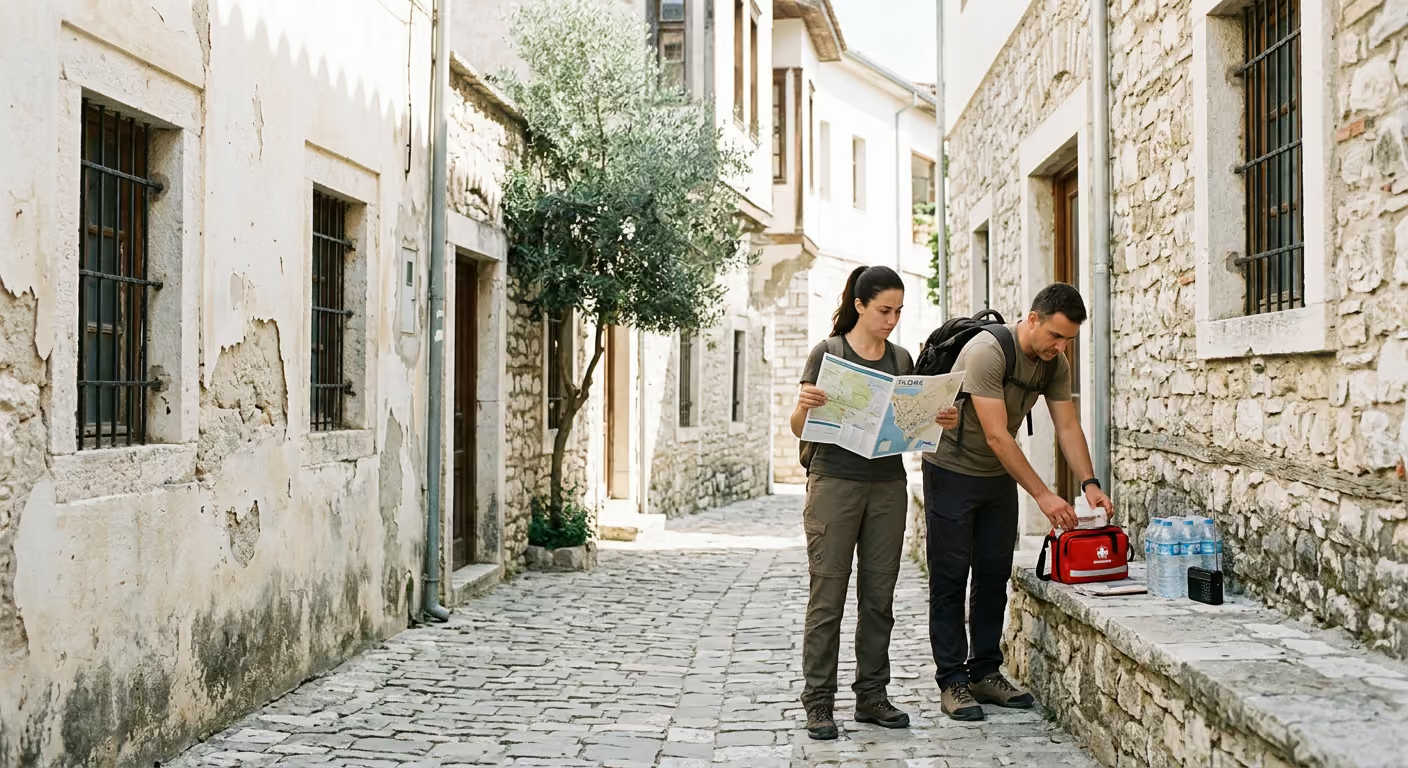
Daily reality is more mixed. Opening hours may not be clear. Websites may be incomplete. English may vary. A producer may be busy with farm work, family duties, or harvest.
Transport can be awkward too. A place that looks close may need a careful driver. Taxis outside the city center may need advance planning. After dark, country roads feel different from the Lungomare.
Service style may be informal. Do not expect every tasting to follow a script with printed notes. You may get a richer experience, but it may move at the host’s pace.
Natural wine can surprise people. Some bottles may have texture, cloudiness, grip, or aromas that differ from commercial wines. This is not a flaw by default. It is part of the style, mainly when native grapes and low intervention methods are used.
Raki can be stronger than expected. A generous host may refill before you ask. You need to manage your own limits with grace.
The trade-off is real. Vlorë may not give you polished wine tourism at every stop. It can give you proximity, honesty, and a direct link to people who care about land and tradition.
For residents, that trade is often worth it. You are not trying to tick off a tourist list. You are building a local life, one table at a time.
For SEB Balaj Winery, VinNatur lists the contact email as sebwinery@gmail.com and the phone number as +39 349 651 3647. Use email or phone before visiting. Ask about tastings, language, transport, and bottle purchase.
For Kantina and Ferma Dukat, check current contact details before you go. Listings can change, and family-run places may use social media or phone more than formal booking tools. If you cannot confirm, ask a local guide or wine bar in Vlorë.
For organized outings, GetYourGuide lists wine tasting and winery tours in Vlorë County. Some tours combine Zvernec, Ardenica, food, and a local winery. Read the details carefully so you know what is included.
For city wine browsing, Old Town Explorer lists Alehandro and Roel, Vino Veritas, Toscana Wine Vlorë, and IdeaVino. Use these as starting points rather than fixed promises. Hours, stock, and tasting formats can change.
For ratings, Tripadvisor lists winery attractions in Vlorë County, including Kantina e Verës Isak, Kantina Balaj, and Kantina and Ferma Dukat. Ratings are helpful, but direct confirmation matters more. A great review from last summer does not guarantee a tasting this week.
Ask whether the visit includes wine only or wine and food. Ask whether raki is included. Ask how long the visit lasts.
Ask about payment. Some smaller places may prefer cash. Carry Albanian lek for rural visits.
Ask about dietary needs. VinNatur states that SEB wines suit vegetarian and vegan diets, but food at tastings is a separate question. If you do not eat meat, say that before arrival.
Ask about pickup. If you are staying near Lungomare, Skelë, Old Town, or the port area, give a clear pickup point. Do not just say “near the beach.”
Late spring is comfortable for tastings. The weather is warm, but the city is not yet at full summer pressure. May and June can be good months for residents.
Summer has energy, long evenings, and more visitors. It can be hot, and coastal traffic can slow plans. Book earlier in July and August.
Autumn is the most interesting season for wine people. Harvest time brings activity, though producers may be busier. Ask before visiting, since harvest work can limit hosted tastings.
Winter is quieter. Some wine bars stay useful for residents, and producer visits may be possible by appointment. Bring patience, since rural tourism slows outside peak months.
Where you start in Vlorë changes the kind of tasting you should plan. The city is stretched along the coast, and daily life feels different in each area. Use your neighborhood as your anchor.
If you stay near Lungomare, start with city wine bars and seaside dinners. This area is easy for a first tasting night. You can walk, avoid driving, and keep the evening simple.
A good plan is a sunset walk, one Albanian glass near the promenade, then seafood with a local white. Ask for shesh i bardhë or another Albanian white if available. Finish with one raki only if you have eaten well.
This area suits remote workers who want a social plan after work. It is low effort and easy to repeat. It is also good for meeting new people from the Vlore Circle community.
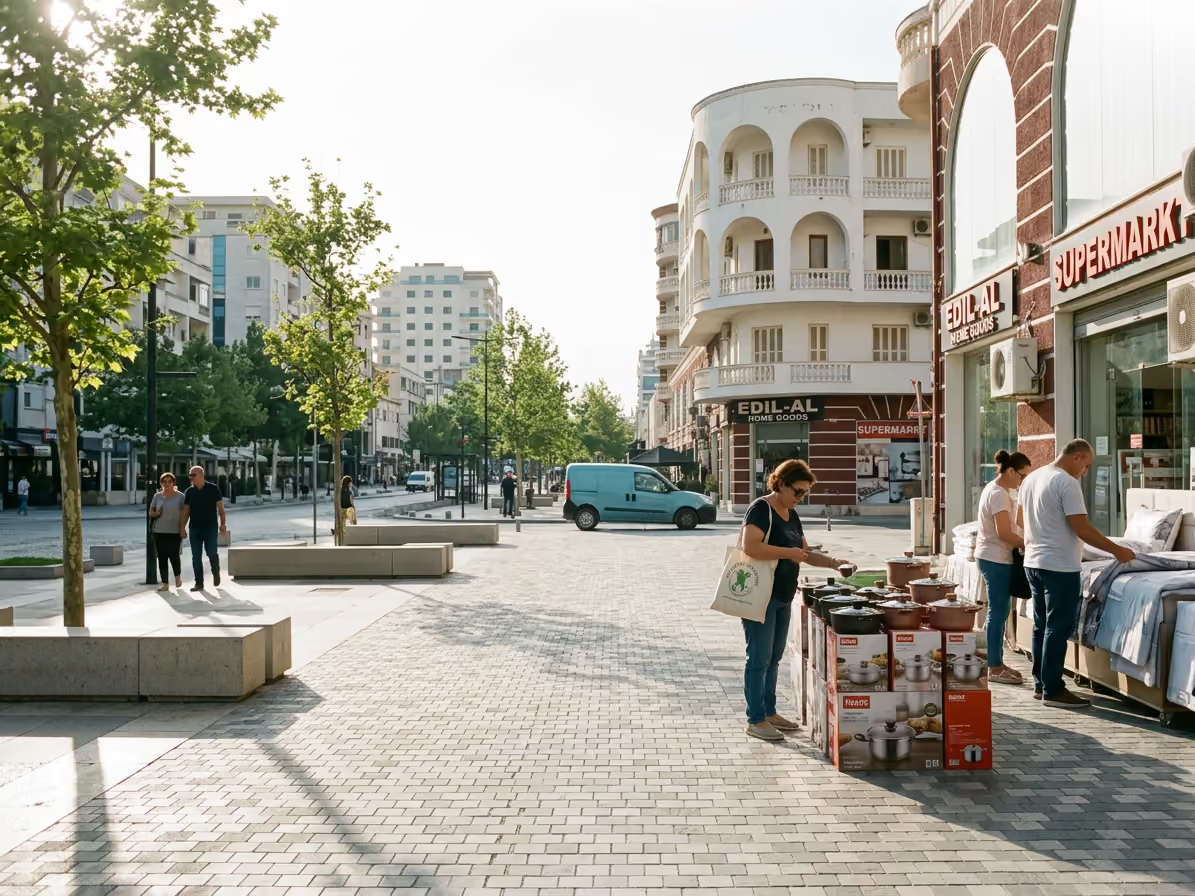
Skelë is practical for residents. It has access to the port area, main roads, cafés, and many apartments. From here, it is easier to organize pickups for tours outside the city.
If you live in Skelë, use it as a launch point for producer visits. Meet your driver near a clear café or hotel. Avoid vague pickup locations on busy streets.
After a rural visit, Skelë is a sensible drop-off point. You can get food, continue with a calm drink, or head home without crossing the whole city.
Old Town and the center are better for slower meals and local atmosphere. This is a good area for pairing wine with traditional dishes. It can feel less resort-like than the beach strip.
Use this area for a home-style restaurant night. Order cheese, salads, grilled meat, or baked dishes. Ask whether they have local wine or house raki.
For newcomers, the center is a good place to practice Albanian hospitality norms. Meals may take time. Service may be direct. Conversation matters more than speed.
Dukat works for a countryside wine and food day. It is not a casual walk from the beach. Plan transport, timing, and food.
The payoff is a stronger sense of the wider region. You leave the apartment-and-café rhythm behind. You see how the Vlorë area connects coast, hills, farms, and family production.
This kind of outing is best with a small group. Four to eight people is often more comfortable than a large crowd. It keeps the visit personal and easier for hosts.
Our host tip is simple. Do not treat wine and raki in Vlorë like a checklist. Choose one producer, one bottle, one food pairing, and one real conversation.
If you are new here, start with a city tasting near Lungomare, then plan a producer visit once you know what you like. Bring cash, book ahead, eat properly, and ask for native grapes before imported labels. If you want people to go with, Join the community and come to a meetup where residents share current tips.
The best local advice often comes from someone who went last week. A wine bar may have changed hours. A farm may be hosting only by appointment. A driver may know which road works best after rain.
Community matters in Vlorë. It helps you avoid awkward mistakes, but it also makes the experience warmer. Wine and raki are better when shared with people who live here, not just pass through.
The first mistake is assuming Albanian wine is minor since you have not seen much of it abroad. Limited export visibility does not mean low value. It often reflects history, scale, and market access.
The second mistake is asking only for international grapes. If you order the same styles you drink everywhere else, you miss the point. Ask for shesh, vlosh, kallmet, pules, or debinë.
The third mistake is treating natural wine as unrefined. At SEB, amphora aging, chestnut barrels, and long maceration show clear craft. Minimal intervention does not mean no technique.
The fourth mistake is overdrinking raki. A small glass can carry a whole welcome. You do not need three refills to show respect.
The fifth mistake is skipping food. Wine and raki sit best with the table. Bread, cheese, olives, fish, vegetables, and meat are part of the experience.
The sixth mistake is trusting online hours too much. Call or message. This is Albania, and direct confirmation saves time.
The seventh mistake is trying to make everything efficient. A tasting may include pauses, stories, family interruptions, and extra plates. That is not wasted time.
The eighth mistake is forgetting the bottle. If you enjoy a small producer, buy directly. It supports the people who hosted you.
Revisit this guide before booking a winery visit, planning a group meal, buying a host gift, or choosing a local bottle for seafood at home. Check contacts and opening details again, since small producers and wine bars can change their schedules.
Vlorë’s wine and raki culture rewards patience, curiosity, and a full table.
Follow Vlore Circle for fresh guides, local updates, and community notes around life in Vlorë. It is the easiest way to stay close to what we are building.

Be part of a growing community built around connection, local life, and a better experience of Vlorë.
join the circle