Representative image

Volunteering in Vlorë offers meaningful ways to support local animal shelters, coastal cleanups, educational programs, and community projects throughout the coastal city.





You have probably searched “how to volunteer in Vlorë” and found scattered listings, old Facebook posts, and project pages with very different rules. The best options in Vlorë are beach cleanups, animal welfare work, teaching or workshop support, hostel exchanges, and short field projects with groups such as World Vets, Workaway hosts, Worldpackers hosts, VolunteerWorld programs, and American Corner Vlorë.
Volunteering here is more than a good deed. It is one of the fastest ways to meet locals, understand the city past the Lungomare promenade, and build a weekly rhythm that gives life in Vlorë more purpose.
Vlorë is a coastal city with two strong identities. It is a summer beach town for Albanian families and foreign visitors, and it is a year-round home for people who work, raise families, care for animals, and keep local services moving after the beach umbrellas close.
That mix shapes the volunteer scene. In July and August, cleanups around Old Beach, the Lungomare, and the road toward Radhimë make clear sense. In winter, animal shelters, education projects, and community programs need steady hands.
The city has no single volunteer office where every project is listed. You will find chances through international platforms, local NGOs, embassy-linked programs, direct shelter outreach, and small informal groups. This can feel messy at first, yet it gives you room to match your skills with a real need.
Environmental work matters here since Vlorë sits between sea, lagoon areas, hills, and busy beach zones. UNDP Albania has written about EU4Nature work to protect Albania’s natural heritage, which gives useful context for the larger conservation push in the country. Local beach work may look small, yet it connects to a wider concern about waste, tourism pressure, and marine life.
Animal welfare is one of the clearest volunteer needs. Vlorë has stray dogs and cats across neighborhoods such as Skelë, Uji i Ftohtë, the Old Beach area, and side streets near the city center. Shelter work is not polished. It is daily feeding, cleaning, walking, recovery care, social media help, and steady patience.
Education and community work sit in a different lane. American Corner Vlorë, connected with the U.S. Embassy in Albania, runs programs and workshops that have included Peace Corps-led activities, tech, innovation, and discussion events. For English speakers, teachers, tech workers, and students, this can be a practical way to contribute without needing veterinary or construction skills.
Hospitality exchanges are another common route. Worldpackers shows multiple Vlorë options in hostels, hotels, camping spaces, farms, and shelters. These are not always classic charity roles, yet they can build local networks fast if you are new to the city.
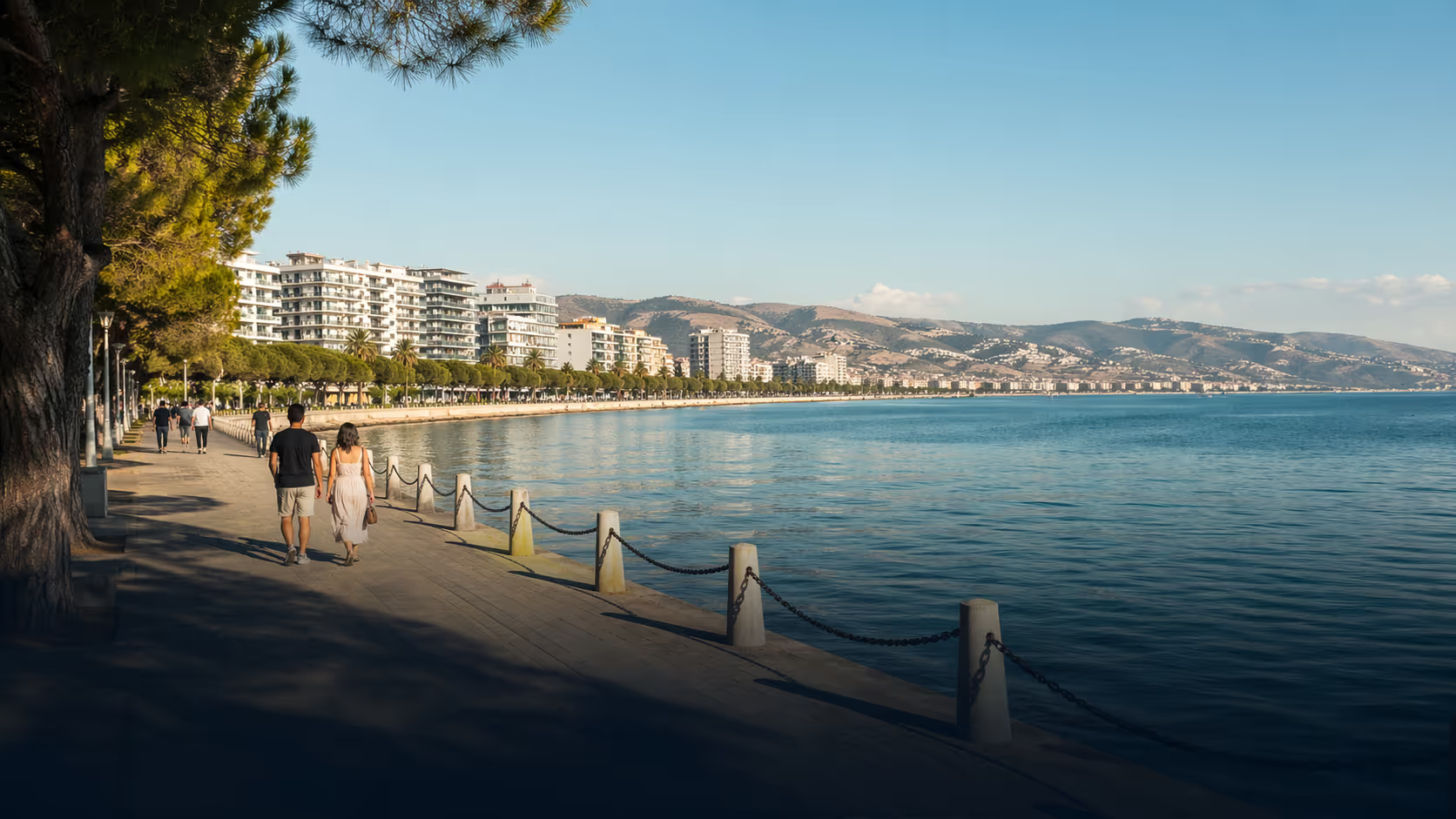
The most visible volunteer cause in Vlorë is the coastline. The Lungomare is the city’s public living room, especially from Skelë toward Uji i Ftohtë. Old Beach has a different feel, with wider sand and more local families.
Cleanups are simple in theory. You meet at a beach area, collect plastic, cigarette filters, fishing line, bottles, and food packaging, then sort what can be handled. The real value is not only the bags filled that morning. The value is public habit building.
Tourism brings money to Vlorë, yet it puts pressure on beaches and waste systems. The UNECE Environmental Performance Review materials on Albania point to wider environmental management challenges in the country. For a coastal city, those challenges become very visible after a hot weekend on the beach.
Beach work is good for beginners. You do not need Albanian language skills to pick up litter, wear gloves, and follow a local organizer. If you speak Albanian or Italian, you can help explain the cleanup to passersby, nearby cafés, or families on the sand.
Look for cleanups near Lungomare, Old Beach, Zvërnec road, and Radhimë. Local cafés, expat groups, environmental NGOs, school groups, and hostel communities may organize them. Ask a hostel in Skelë, a coworking contact near the promenade, or a local community group what is planned for the next weekend.
A strong cleanup habit is to bring your own reusable gloves, a refillable water bottle, sunscreen, and a hat. Summer sun on the beach is no joke. Start early, before 9:00, when the Lungomare is calmer and the heat is manageable.
Animal welfare is where Vlorë has some of its clearest structured volunteer paths. The Workaway listing for a Vlorë animal shelter describes a private shelter founded in 2013 by Ing. Liljana. The work includes feeding, cleaning, walking dogs, socializing animals, helping with the garden, and supporting adoption promotion.
The shelter model includes CNVR work, which means capture, neuter, vaccinate, and release. This approach tries to reduce stray animal numbers through sterilization and vaccination, rather than endless removal. It needs vets, vet techs, drivers, recovery helpers, social media volunteers, and people willing to do plain physical work.
World Vets lists a Vlorë project for veterinary field service. Its project information separates roles such as veterinarians, technicians, students, and general assistants. The project fee listed in the research is $1,250 USD, which makes it different from free volunteer exchanges.
Animal work can be entry-level or professional. A beginner may clean kennels, refill water, wash bowls, walk calm dogs, or help post adoption photos. A vet may perform surgery, guide post-op care, or support high-volume spay and neuter work.
Do not treat animal welfare as a cute morning with puppies. Shelter life is loud, dusty, emotional, and physical. You may meet sick animals, injured animals, scared dogs, and cases that need hard decisions.
The best volunteers are calm and consistent. If you can show up at 8:00 near the shelter, clean for two hours, and return later for walking, you are more useful than someone who arrives once for photos. Shelters remember steady people.
Teaching work in Vlorë can mean English practice, computer basics, public speaking, career sessions, creative workshops, or homework support. It may happen through formal groups such as American Corner Vlorë, through schools, through local NGOs, or through informal meetups.
American Corner Vlorë is a useful starting point for education-minded volunteers. According to the U.S. Embassy in Albania, American Corners offer programs, discussions, resources, and public activities. In Vlorë, past programming has included Peace Corps-linked workshops and tech or innovation themes.
If you are a teacher, you can offer structured support. If you are not a teacher, you can still help with conversation practice, CV review, Canva basics, coding clubs, photography, or simple business English. The best format is a short workshop with a clear title and outcome.
For example, “English for café staff near Lungomare” is stronger than “I can teach English.” “Intro to safe email use for students” is stronger than “I know computers.” Local partners need to know what you can deliver in one hour, not only your good intentions.
Vlorë has many young people who see tourism, remote work, migration, and digital skills as part of their future. Practical workshops can feel relevant when they connect to real life. A session on writing an email to a hotel manager, making a simple portfolio, or speaking with foreign visitors can land well.
Teaching work needs respect. Do not arrive with the idea that locals are waiting to be saved by a foreign volunteer. Ask what is useful, plan with a local host, and keep your lesson simple.
Worldpackers lists Vlorë opportunities in hostels, hotels, camping places, farms, and animal projects. These exchanges often trade work hours for accommodation, and sometimes meals. The range in the research is 4 to 32 hours per week.
Hospitality exchanges are common in places with seasonal tourism. A hostel near Skelë may need help with reception, breakfast, cleaning, social events, walking tours, or content creation. A camping site near the coast may need garden help, guest support, simple repairs, or tour assistance.
These roles are not always charity. They still build purpose and local connection when done with care. You meet staff, travelers, suppliers, cleaners, taxi drivers, café owners, and nearby families.
If your goal is service, choose hosts with a social or environmental angle. Look for projects that mention sustainability, animal care, local education, cultural exchange, or community activities. Ask how your hours support something beyond guest turnover.
A good exchange can make your first month in Vlorë cheaper and more social. It can also blur lines between work, friendship, and rest. Read the listing well, ask for hours in writing, and check whether the bed is shared.
Entry-level roles need patience more than credentials. These are good for new arrivals, retirees, digital nomads with flexible mornings, students, and people who want to meet others without making a long promise.
At an animal shelter, entry-level work may include cleaning kennels, washing bowls, carrying food, walking dogs, brushing animals, or helping take simple adoption photos. At a beach cleanup, it may mean picking up litter, sorting bags, or handing out gloves at the meeting point.
At a workshop, entry-level support may mean welcoming people, setting up chairs, taking attendance, or helping participants use a laptop. At a hostel exchange, it may mean breakfast prep, garden work, simple cleaning, or social night support.
The main requirement is reliability. If you say you will be at Old Beach at 8:30 on Saturday, arrive at 8:20. If you say you can walk dogs from 17:00 to 19:00, do not book a dinner in Uji i Ftohtë at the same time.
Entry-level does not mean low value. Most local groups need help with repeat tasks. A shelter cannot function if bowls are dirty, water is empty, and dogs get no exercise.
Mid-level roles fit people with useful skills but no formal license. This includes English teaching, photography, social media, website updates, translation, event planning, grant writing support, basic construction, gardening, and community outreach.
A photographer can help a shelter by taking clear adoption photos in natural light. A writer can make short adoption bios in English. A social media volunteer can build a weekly posting calendar for dogs and cats that need homes.
A teacher can run four short English sessions rather than one vague offer. A remote worker can teach Google Docs basics, online safety, or Canva flyer design. A retiree with management experience can help an NGO organize donor records.
Mid-level work can have a strong ripple effect. One good adoption campaign may help several animals find homes. One clear workshop plan may let a local group repeat the session after you leave.
Do not oversell your skill. If you are new to dog behavior, do not offer training for reactive dogs. If you use social media for fun, say that, then offer to help with simple content.
Professional roles need credentials, training, or deep experience. Veterinary work is the clearest example. World Vets separates veterinarians, technicians, students, and assistants for its Vlorë project, which helps keep duties clear.
Vets and vet techs can support spay and neuter work, vaccination, post-op checks, wound care, and shelter health protocols. Students may assist under supervision. General assistants can help with recovery, cleaning, animal movement, and records.
Educators with classroom experience can help design programs that local volunteers can keep using. Mental health professionals, social workers, and youth workers should be careful with boundaries and local referrals. These fields need trust and local knowledge.
Tech professionals can help small NGOs in quiet but strong ways. A simple donation page, cloud folder structure, contact form, or photo archive can save hours every week. In Vlorë, many groups operate with limited admin time, so practical systems matter.
Professionals should ask one question early: “What will still work after I leave?” A two-week trip can be useful if it leaves better records, trained local helpers, or a repeatable process.
The Workaway host listing for Vlorë gives one of the most detailed pictures of local shelter life. It describes an animal-focused NGO founded in 2013 by Ing. Liljana, with work around rescue, rehabilitation, rehoming, education, CNVR, and animal rights.
Tasks can include feeding dogs and cats, cleaning, walking, training, socializing, gardening, maintenance, cooking, photography, and adoption promotion. The listing notes internet and space for online work, but it also makes clear that animals and barking are part of the setting.
The shelter mentions peak activity windows around morning and evening, listed in the research as 8:00 to 11:00 and 17:00 to 19:00. This matters for remote workers. A Zoom call at 9:00 may clash with the exact time your help is most needed.
Apply through Workaway with a full profile. Share your real experience, availability, comfort with dogs, and any limits. If you can stay longer than one week, say so.
Do not write “I love animals” and stop there. Better: “I can clean kennels, walk calm dogs, help with feeding, take adoption photos, and stay for three weeks in May.”
World Vets lists a Vlorë, Albania project for veterinary service. The research notes a $1,250 USD project fee for a one to two week field service model. It includes roles for veterinarians, technicians, students, and assistants.
This route is best for people who want structured field service and can pay the fee. It is not the same as a room-for-work hostel exchange. You should budget for travel, insurance, local transport, and personal costs.
The strength of a World Vets-style project is structure. The work is focused, time-limited, and tied to veterinary care. For licensed professionals or students, it can be a serious way to support spay and neuter work in a place with visible stray animal needs.
General assistants should read duties with care. You may help with cleaning, animal handling support, recovery observation, supplies, and patient flow. You should not expect to perform licensed tasks.
If you are a vet or vet tech based in Vlorë for a season, contact local shelters too. Short field projects help, but steady mentorship can be just as useful.
Worldpackers search results for Vlorë and Vlora show more than ten local opportunities in the research, across hostels, hotels, camping, farms, and shelter-linked hosts. Work hours can range from a few hours to 32 hours per week.
These exchanges fit newcomers who need an easy social base. If you are 22 and arriving alone, a hostel role near Skelë can give you instant contacts. If you are a remote worker, a lighter exchange may help you keep paid work stable.
Read each listing like a contract. Ask about weekly hours, days off, meals, room type, Wi-Fi, laundry, and transport. Ask where the place is in relation to Lungomare, Old Beach, the bus station, or Radhimë.
A host outside the center may be peaceful, but it can be harder to reach meetups or language classes without a car. A hostel near Lungomare may be social, but summer noise can affect sleep. Match the location to your real life.
Use Worldpackers for hospitality and community projects, but do not ignore local networks once you arrive. Many good volunteer leads move through word of mouth at cafés, gyms, coworking corners, and community meetups.
VolunteerWorld lists Albania programs with a high review score in the research and includes marine life, animal welfare, and conservation options. Some programs run four to twenty weeks, with age 18+ requirements, and some paid packages include housing.
For Vlorë, this matters since marine and coastal themes fit the city. Shark conservation, marine research, beach monitoring, and coastal cleanup work may be listed under Albania rather than only Vlorë. Check the project base before applying.
Paid volunteer programs can be useful if they provide structure, housing, training, and a clear schedule. They can feel costly if the work is loose or far from Vlorë city. Ask for the exact address, sample weekly schedule, and what is included.
A fair question is: “How much of my time is field work, and how much is training or admin?” Another fair question is: “Who is the local partner in Albania?” If the answer is vague, pause.
American Corner Vlorë is a practical contact point for people interested in workshops, English, youth events, and community education. The U.S. Embassy page describes American Corners as places for programs, information, and public activities.
This is not a walk-in promise that every foreigner can teach next week. Treat it as a professional contact. Visit the official page, check current programs, and ask whether volunteer-led sessions are welcome.
Prepare a one-page workshop idea. Include title, target age, time needed, language, materials, and outcome. For example: “Intro to LinkedIn for tourism students, 90 minutes, English with simple Albanian support, participants leave with a profile checklist.”
If you are new in Vlorë, attend public events before offering your own. You will learn the style, audience, and local needs. You may meet teachers, Peace Corps volunteers, students, and local civic groups.
The Worldwide Walkies Albania animal charity directory mentions Protect Me Vlorë and other animal charities in the country. Directories like this can help you find groups that do not always appear high in search results.
Use directories as a starting point, not final proof. Check whether the group is active, read recent posts, and ask what kind of help is needed this month. Animal groups can change quickly since funding, space, and rescue loads shift.
A short message works best. Say where you are staying, how long you are in Vlorë, what you can do, and when you are free. Offer two clear time slots.
For example: “I am in Skelë for six weeks. I can help clean, walk dogs, take photos, and drive if fuel is covered. I am free Tuesday and Thursday mornings.”
Start with one cause, not five. If you care about animals, start with shelters. If you want fresh air and low commitment, start with beach cleanups. If your strength is teaching, start with American Corner Vlorë or a local education contact.
Think in energy terms. Animal care is physical and emotional. Beach cleanups are social and outdoor. Teaching needs prep time. Hostel exchanges can mix work and social life.
Write down your weekly limit. Two mornings per week is better than a vague full-time promise that collapses after ten days. Local groups need stable help.
Use the entry-level, mid-level, and professional map. Be honest. A shelter can use a beginner, but it needs to know that you are a beginner.
List practical skills. Driving, Albanian, Italian, dog handling, Excel, photography, cleaning, painting, cooking, teaching, and first aid all matter. So does calmness around noise.
If you have limits, state them early. Say if you cannot handle large dogs, heat, heavy lifting, or shared rooms. Clear limits protect you and the host.
For structured animal shelter stays, check Workaway. For hostel and tourism exchanges, check Worldpackers. For paid field programs, check World Vets or VolunteerWorld. For education programs, check American Corner Vlorë.
Read recent reviews when available. Look for clear schedules, current photos, and hosts who answer questions. Avoid any host that refuses to state hours or sleeping conditions.
Check the project location. “Vlorë” can mean the city center, a village outside town, Radhimë, Orikum, or a rural area with limited transport. Ask for a map pin before confirming.
Your application should be short and useful. Open with dates, skills, and why the cause fits you. Add any health or schedule needs.
For animal shelters, mention comfort with cleaning and routine care. For teaching, propose a session title. For hostels, name your hospitality or content skills.
A good application might say: “I will be in Vlorë from April 10 to May 8. I can help five mornings per week with cleaning, feeding, and dog walking. I have experience with medium dogs, basic photo editing, and social media captions.”
Never assume free accommodation. Workaway and Worldpackers often involve room or room and board, but details vary. World Vets charges a project fee, and housing details depend on the project terms.
Ask these questions before you travel:
Get the answers in writing. Screenshots help if a host changes terms later.
For animal work, ask your doctor about tetanus and rabies guidance before travel. Wear closed shoes, long trousers for certain tasks, and gloves when cleaning. Do not handle aggressive animals without local guidance.
For beach cleanups, bring thick gloves, not thin food-service gloves. Wear shoes that can handle glass, rocks, and fishing hooks. Summer cleanups should start early.
For teaching and youth work, keep boundaries clear. Work through a local host, avoid one-to-one private situations with minors, and keep communication professional.
For hostel exchanges, protect your passport and payment cards. Shared rooms are normal, yet you still need a private bag lock.
After your first shift, ask who else you should meet. Volunteers know other volunteers. Shelter people know vets, drivers, donors, and local cafés that help with food.
If you join a beach cleanup at Old Beach, ask about the next one near Zvërnec or the promenade. If you help at American Corner, ask whether any schools need English conversation support. If you work in a hostel, ask which local NGO needs help this month.
This is where Vlorë starts to feel smaller in a good way. You move from visitor to useful neighbor.
Volunteering can be free, low-cost, or expensive. The difference depends on whether you self-organize, trade work for housing, or join a paid field program.
Here are realistic costs to plan for in Vlorë:
| Item | Expected range |
|---|---:|
| Coffee near Skelë or city center | 100 to 200 ALL |
| Burek or simple snack | 80 to 200 ALL |
| Local bus ride | Around 40 ALL |
| Taxi within city | Often 400 to 800 ALL |
| Basic lunch | 500 to 1,000 ALL |
| Workaway annual membership | Check current platform price |
| Worldpackers membership | Check current platform price |
| World Vets Vlorë project fee | $1,250 USD |
| Gloves, sunscreen, water bottle | 1,000 to 3,000 ALL |
| Laundry load | Often 400 to 700 ALL |
Prices shift by season and neighborhood. Uji i Ftohtë and Lungomare cafés can cost more than side streets near the city center. Summer brings higher housing pressure.
For a free beach cleanup, your cost may be only bus fare, water, and gloves. For a shelter stay through an exchange, your largest cost may be travel to Albania and personal spending. For a World Vets-style project, the fee is the key cost.
A one-off beach cleanup may take two to four hours. It is good for newcomers who are testing the waters. It is also useful for families and retirees who want a simple community activity.
Shelter work often needs morning and evening help. The research notes peak windows of 8:00 to 11:00 and 17:00 to 19:00 for the Workaway shelter. If you work online, plan paid calls outside those hours when possible.
Worldpackers exchanges can range from 4 to 32 hours per week. A 32-hour exchange is close to a part-time job. Make sure the housing and meals match the workload.
Teaching sessions take more time than they appear to take. A one-hour workshop may need two hours of prep, printing, messages, and follow-up. Build that into your week.
If you stay near Lungomare or Skelë, you will have easier access to cafés, buses, supermarkets, and social meetups. If your project is outside town, you may need rides or taxis.
Old Beach can be practical for cleanups and quieter living. Uji i Ftohtë is good for sea access and cafés, but some parts are harder without a car. Radhimë and Orikum can be beautiful for coastal work, yet transport planning matters.
Ask hosts about exact pickup points. “Near Vlorë” may mean a place that is simple by car and awkward by bus. In hot months, a 35-minute walk with supplies is not a small detail.
Remote workers should test Wi-Fi before committing to long stays. A volunteer house may have internet, yet barking, shared space, and power cuts can affect calls. Download key files before work sessions.
Visa rules depend on your passport. Do not assume the same rule applies to every foreigner in your group. Check official Albanian entry rules before you plan a three-month stay.
If you are doing unpaid volunteering through a platform, ask whether the host expects any paperwork. For short stays, many people enter as visitors. For longer arrangements, paid work, or official placements, rules can differ.
Keep proof of accommodation, travel insurance, and return or onward travel. Border questions are usually simple, but being organized helps.
If you plan to stay in Albania long-term, separate volunteer planning from residency planning. A shelter host cannot solve your residency paperwork.
Skelë is one of the best bases for new volunteers. It sits between the city center and Lungomare, with cafés, buses, shops, and access to the port side of town. If you are meeting people for cleanups or workshops, Skelë keeps life simple.
The Lungomare promenade is the easiest place to meet other newcomers. Morning walks, evening xhiro, fitness groups, cafés, and beach access all sit in one long strip. Cleanups here are public, visible, and easy for first-timers.
Old Beach is a better fit if you want a more local beach rhythm. It is wide, family-friendly, and useful for cleanup work after busy weekends. It can be less polished than the promenade, which makes waste issues more visible.
Uji i Ftohtë is popular with people who want sea views and quick access to the southern road. It is good for cafés and swimming, but summer traffic can slow everything down. If your volunteer project starts early, check travel time before renting there.
For animal shelter work, the exact site matters more than the neighborhood name. Some shelters or foster setups may sit outside the core city. Ask for transport details, walking safety, and whether taxis know the location.
For teaching or workshops, the city center and Skelë are often easier meeting points. People can reach them by bus, foot, or taxi. If you host a session too far south in peak summer traffic, attendance may drop.
For hostel exchanges, the neighborhood changes your social life. A hostel near Lungomare will connect you with travelers. A farm or camping project outside town may connect you more with nature and local families.
The romantic idea is easy to imagine. You spend mornings saving animals, afternoons swimming in clear water, and evenings eating seafood with new friends on the promenade. Some days may feel exactly like that.
Daily life is less tidy. Animal shelters smell. Dogs bark. Beach cleanups find broken glass and cigarette filters. Teaching plans get changed at the last minute. A bus may not come when you expect it.
Vlorë can feel open and warm, then suddenly hard to read. Local communication may be direct. Plans may be confirmed through WhatsApp at the last moment. People may care deeply, yet lack funding, staff, storage space, or time.
Do not measure impact by dramatic moments. Much of the best work is boring. Clean bowls, sorted supplies, translated captions, a working spreadsheet, and a student who speaks English for five minutes all count.
Summer brings another reality. The city gets crowded, hot, noisy, and more expensive. The same beach that looks peaceful in May can be packed in August. Cleanup work may feel endless after weekend crowds.
Winter has the opposite issue. Vlorë is quieter, which can be good for deeper service, but lonely for newcomers. Shelter work continues in rain. Education programs continue after tourist season ends.
The stray animal issue can be emotionally heavy. You may see animals you cannot take home, cases you cannot fix, and limits that frustrate you. Good volunteers learn to help within the system rather than burn out in one week.
Paid volunteer programs can surprise people too. A project fee does not mean luxury. It means structure, admin, and field service costs. Read terms carefully and decide whether the format fits your budget.
Hostel exchanges can be social, but they can become tiring. You may live where you work, sleep in a shared room, and handle guests during your personal downtime. If you need quiet, choose carefully.
The reward is real. Volunteering turns Vlorë from a beach address into a human network. You start to know the shelter driver, the café owner who saves food scraps, the student who wants interview practice, and the local organizer who messages when a cleanup is planned.
Our strongest advice is to start with one repeatable weekly commitment. Do not sign up for every cause in your first week. Choose Saturday morning beach cleanups, Tuesday shelter shifts, or one monthly workshop, then do it well.
The people who build real networks in Vlorë are not the loudest helpers. They are the ones who arrive on time, bring gloves, answer messages, and stay useful after the first excited week.
If you are new to town, join one public activity before offering to lead anything. Walk the Lungomare with a cleanup group. Attend an American Corner event. Help at a shelter for a few shifts.
Then ask what is actually needed. It may not be what you expected. A shelter may need a gate repaired more than another Instagram post. A youth group may need laptops set up more than a guest lecture.
Vlorë Circle exists for this exact gap between good intentions and real local life. If you want practical introductions, volunteer leads, and people to go with, Join the community.
Use this checklist to move from research to action in the next seven days.
Volunteering in Vlorë works best when you treat it like a local relationship, not a travel activity. Start small, be clear, stay steady, and let the city meet you through useful work.
Follow Vlore Circle for fresh guides, local updates, and community notes around life in Vlorë. It is the easiest way to stay close to what we are building.

Be part of a growing community built around connection, local life, and a better experience of Vlorë.
join the circle