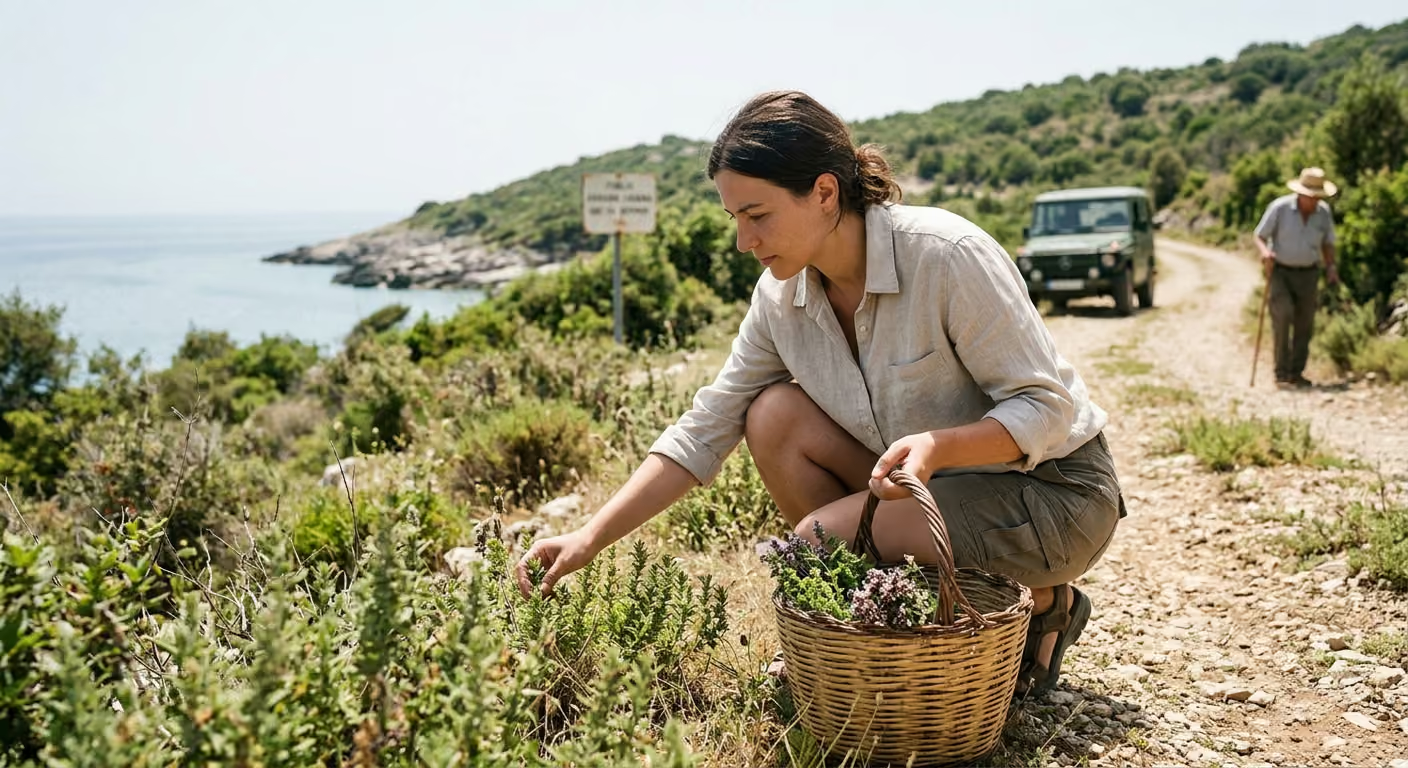
Representative image

Gain the knowledge to safely identify edible wild plants and herbs around Vlorë, Albania, and learn how to incorporate them into delicious recipes.





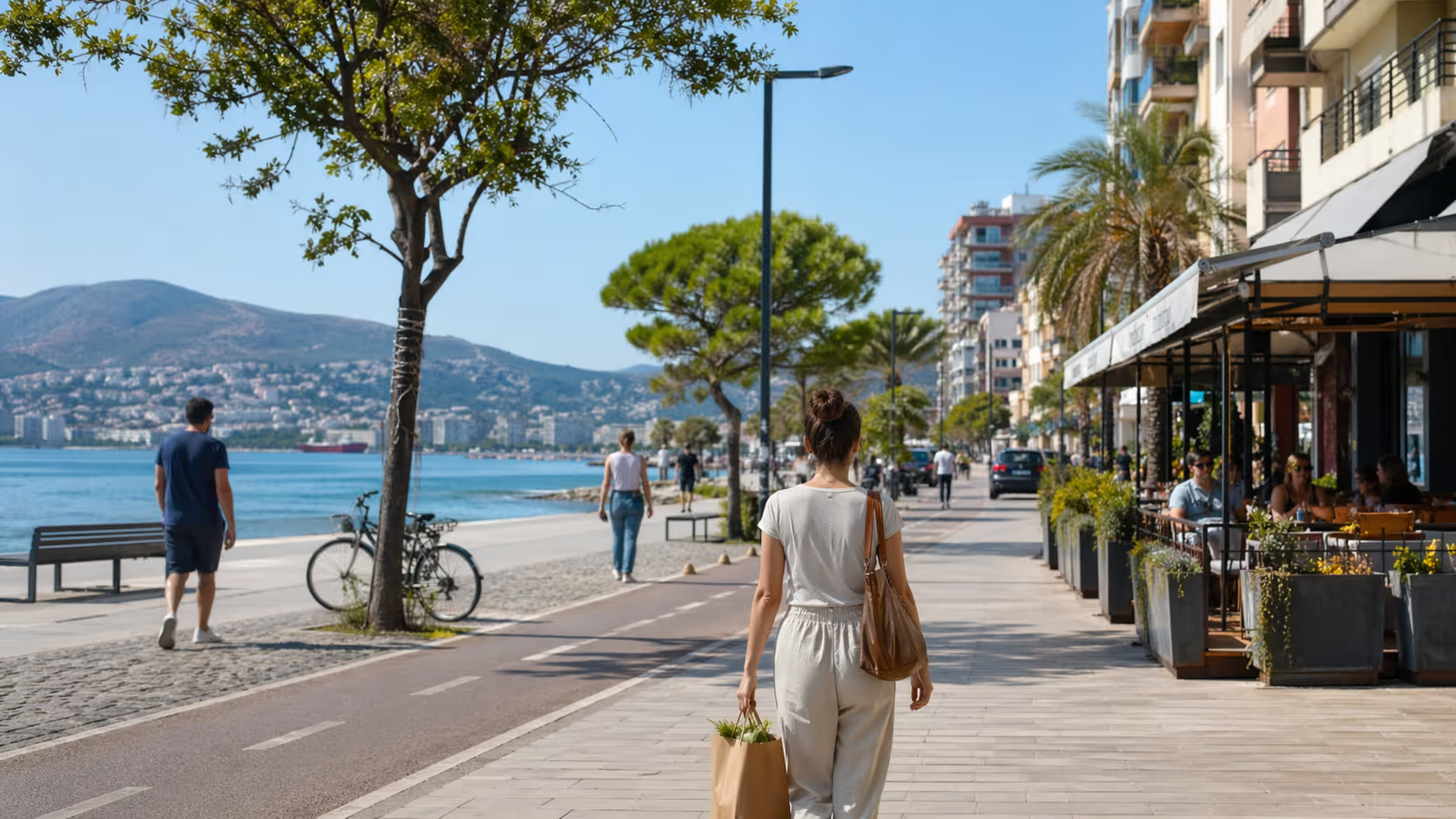
You leave your apartment near Lungomare with a small bag, pass the cafés facing the promenade, and look up at the dry green hills above Kaninë. A local friend points to a patch of thyme and says, “Tea,” then points to a shrub with glossy leaves and says, “Do not touch.” That is the whole lesson in one minute. Vlorë gives you free flavor if you learn the plants with care.
Yes, you can safely forage around Vlorë if you stick to plants you can identify with full confidence, avoid roadsides and private land, and learn from local people before eating anything new. Start with easy herbs like oregano, thyme, sage, and wild mint, then build toward greens, fruits, and coastal foods only after expert checks.
Foraging here is not a shortcut to a free supermarket. It is a slow local skill. The hills above Vlorë, the Dukat side, the Orikum area, and the Kurvelesh highlands all hold edible herbs and greens, but they also hold plants you should never eat.
The safest approach is simple. Learn a few plants per season, use more than one identification tool, and treat every unknown plant as unsafe. If you want real-life help, Join the community and ask other Vlorë residents what is in season before your next hill walk.
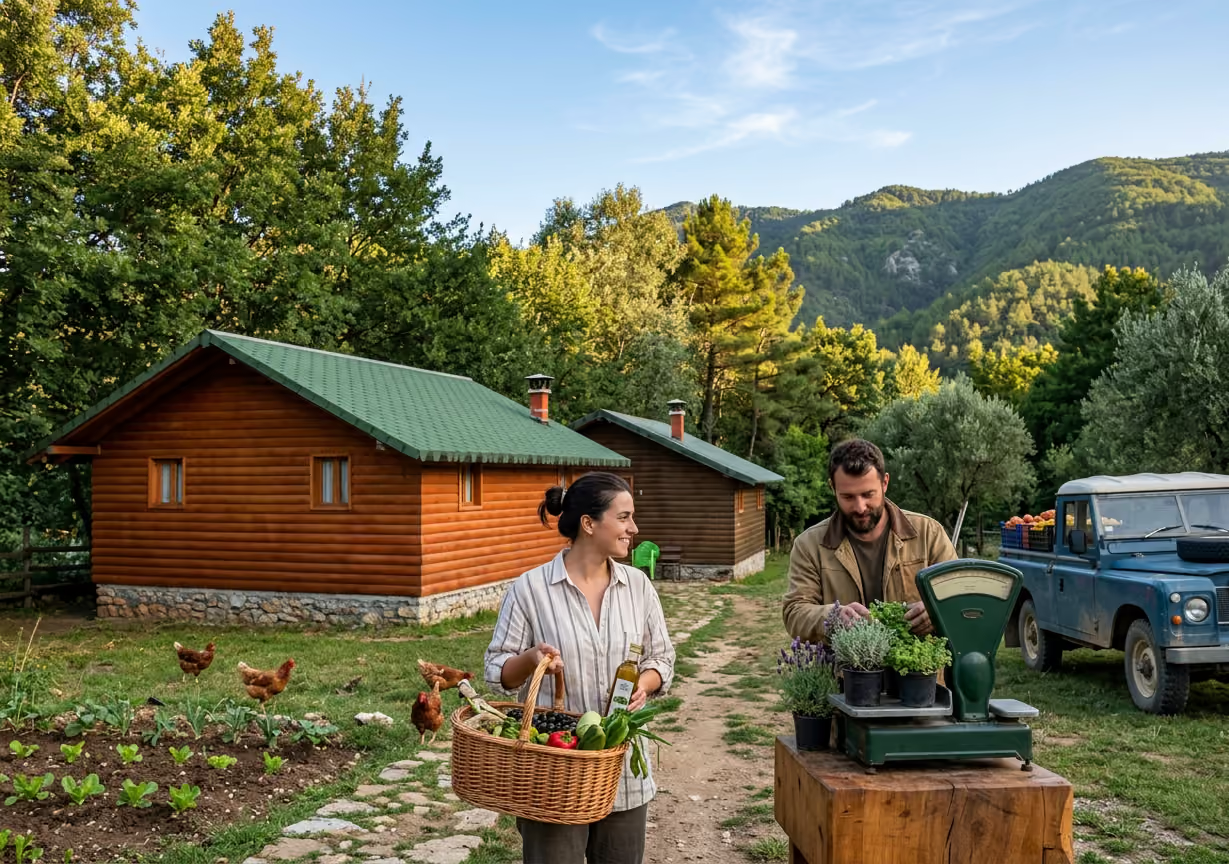
Wild foods sit close to daily life in Vlorë. They are in teas served after lunch, herbs rubbed into lamb, nettles cooked in spring soups, and greens folded into lakror. They are not a trend here. They are part of how older families have cooked through the year.
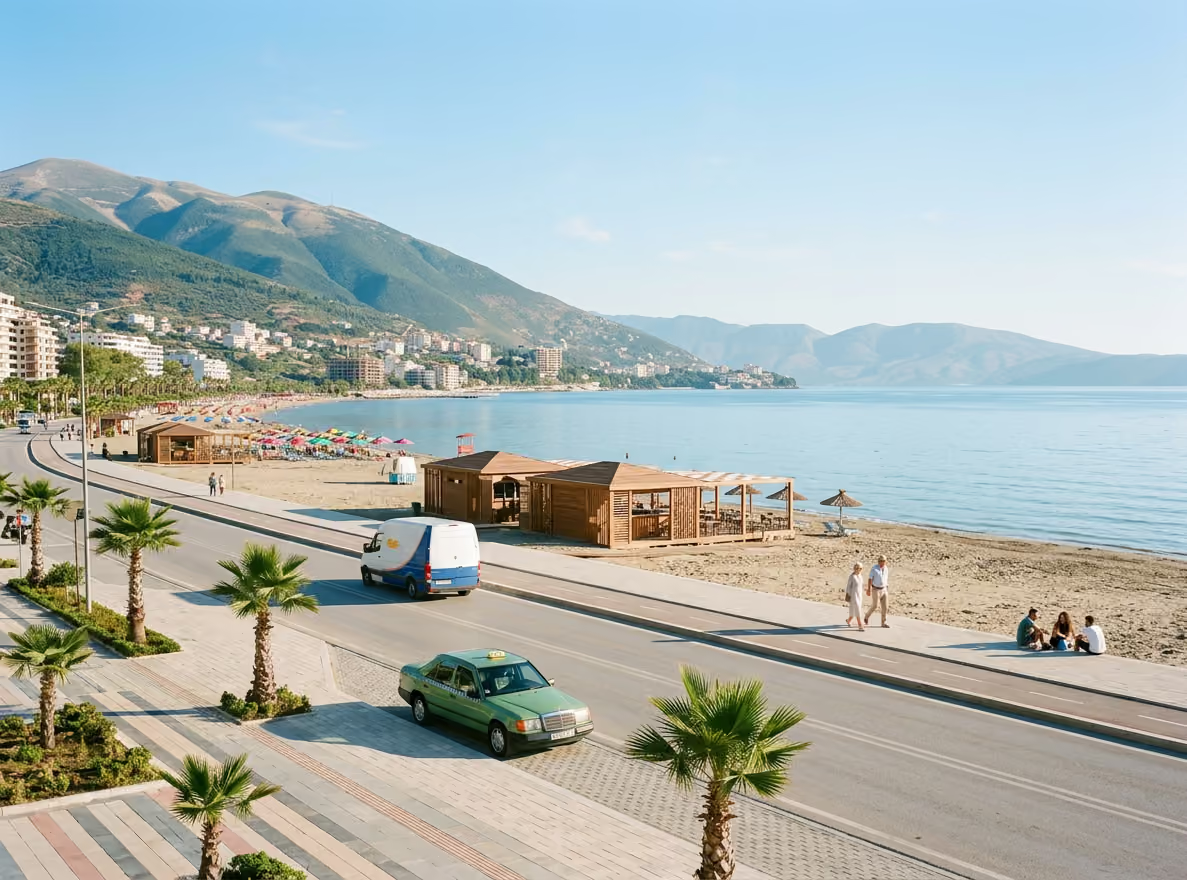
Vlorë has a rare mix of sea, hills, olive groves, and mountain villages within a short drive. You can leave the city center, pass Skela and Uji i Ftohtë, and reach dry slopes where thyme and sage grow. Go south toward Radhimë and Orikum, and the food culture shifts toward mussels, fish, wild greens, and mountain herbs.
The region is shaped by olive oil, cornmeal, sheep cheese, herbs, figs, grapes, and preserved foods. A food guide to Vlorë from Voye Global points to local patterns like nettle soup in spring, wild greens for lakror, summer herbs, figs, autumn corn, olives, and regional dishes tied to Dukat, Kurvelesh, and Orikum. These are not separate from foraging. They are the kitchen side of the same land.
For expats, retirees, and remote workers, foraging offers three useful things. It lowers pantry costs. It helps you understand local markets. It gives you a reason to meet neighbors outside the café routine.
The social part matters. If you rent near Lungomare, your life can get stuck between apartment, beach, and laptop. A Sunday walk above Kaninë, or a morning visit to Orikum with someone who knows the plants, gives you a better sense of place. You begin to understand why wild oregano from the hills tastes stronger than a supermarket packet.
Albanian tea culture gives another clue. A 2023 ethnobotanical study on traditional tea use in Albania and Kosovo recorded 128 wild and cultivated species used for teas and infusions in Albania. The main plant families were Lamiaceae, which includes oregano, thyme, mint, and lemon balm, Asteraceae, which includes chamomile and yarrow, and Rosaceae, which includes rose hips. This matches what people around Vlorë already know in practice. Hillside herbs are food, medicine, comfort, and winter preparation.
Vlorë’s food rhythm is seasonal. Spring brings nettles, leeks, and wild greens. Summer brings rocket, figs, tomatoes, mint, oregano, thyme, and sage. Autumn brings peppers, corn, grapes, and olives. Winter relies on dried herbs, cured olives, preserved figs, and teas.
This rhythm helps newcomers eat better without chasing imported products. You do not need to recreate your old pantry from home. You can build a Vlorë pantry with dried oregano from the hills, local olive oil, mountain tea, pickled peppers, figs, cornmeal, and sheep cheese from nearby villages.
There is a cultural rule under all of this. Wild food is shared knowledge, not a free-for-all. Ask before picking near houses, olive groves, or farm tracks. Take small amounts. Leave enough for the plant, the next person, insects, birds, and grazing animals.
Safe foraging starts before you pick anything. The most common mistake is thinking that a green leaf, nice smell, or pretty flower means a plant is edible. Vlorë has many useful plants, but it also has toxic ornamentals and wild plants that can irritate your skin or stomach.
Use a three-check system. Check the plant shape. Check the place where it grows. Check with a human or trusted guide before eating.
Apps can help, but they are not final proof. PictureThis lists common plants in Vlorë, including olive, mastic tree, oleander, lantana, and pittosporum. This is useful for awareness, since oleander is common and toxic. It should never be treated like an edible shrub.
The Lamiaceae family is one of the best entry points for Vlorë beginners. It includes oregano, thyme, sage, mint, and lemon balm. Many have square stems, opposite leaves, and a strong aroma when rubbed. These traits can help, but they are not enough alone.
Oregano, Origanum vulgare, grows in sunny dry areas and has a warm smell. Thyme, Thymus species, stays lower to the ground and smells sharper. Sage has soft grey-green leaves and a resin-like scent. Wild mint grows in wetter places, near water channels, damp garden edges, or shaded gullies.
Asteraceae is more difficult. It includes chamomile and yarrow, which are used in teas, but it also includes many plants that are not good for beginners. Chamomile has small daisy-like flowers and a sweet apple-like smell. Yarrow has feathery leaves and flat clusters of small flowers. Do not pick either from road edges or sprayed fields.
Rosaceae includes rose hips, wild fruits, and some familiar shrubs. Rose hips are useful for winter teas after the petals drop and the red hips form. Pick only from clean areas, and avoid ornamental roses sprayed near hotels, villas, or public gardens.
Oleander, Nerium oleander, is one of the main plants newcomers must know. It grows around streets, gardens, and warm coastal areas. It has long narrow leaves and showy flowers in pink, white, or red. It contains cardiac glycosides and is highly toxic.
Never use oleander sticks as skewers. Never burn it for cooking. Never add its leaves to tea. Keep children away from picking flowers from it, most of all in villa areas above Uji i Ftohtë and along roadside plantings.
Mastic tree, Pistacia lentiscus, is another plant to treat with care. Its resin has traditional uses, but that does not mean the leaves are salad greens. Learn it as a plant to recognize, not as a beginner food.
Lantana is common in warmer areas and gardens. It has colorful flower clusters and berries that can confuse children. Do not treat it as food.
Habitat tells you a lot. Oregano, thyme, and sage like dry sunny hills. Mint likes damp places. Nettles grow near richer soil, edges, walls, animal paths, and spring moisture. Wild rocket often appears in disturbed soils, field edges, and open patches.
Coastal food needs a different safety lens. Mussels near Orikum are part of local cooking, and Voye Global mentions mussels with wine, garlic, and herbs in that area. Still, shellfish can collect pollution. Do not gather from port areas, boat ramps, drainage outlets, or stagnant water. Buy from known local sellers if you lack local guidance.
Avoid foraging near the port, busy roads, construction sites, trash points, and drainage channels. In the city, this means staying away from the port zone, road edges near Transballkanike, heavy-traffic parts of Skela, and the edges of large parking areas. A plant can be edible by species and still be a bad food choice by location.
Use this field routine for every new plant.
Taste is not an identification method. A peppery taste can support a wild rocket ID after the plant is already confirmed. It should not be your first test.
Post-rain picking needs care. Greens can carry mud, parasites, or mold after wet spells. Wash them in several changes of water, then cook beginner greens rather than eating them raw.
Allergies can happen. Mint family plants are common in teas and cooking, yet some people react to them. If you have plant allergies, asthma, pregnancy concerns, heart medicine, or blood pressure medicine, speak with a qualified health worker before using wild herbs as daily teas.
Foraging in Vlorë works best when you follow the year. Do not expect the same plants in May and October. Heat, rain, altitude, and grazing all change what is available.
The calendar below follows local food patterns from Vlorë and wider Albania. Exact timing can shift from year to year. A warm spring can push figs earlier. A dry summer can make herbs woody faster. A rainy week can bring new greens, then make them messy to clean.
Spring is the best season for beginners who want wild greens. Nettles, wild leeks, and mixed greens appear before the full heat arrives. Look along the edges of Dukat tracks, old stone walls, damp corners near Orikum, and field edges away from traffic.
Nettles are one of the most useful spring foods. They sting raw, so wear gloves and use scissors. Pick the young tops only, then blanch them in boiling water for one to two minutes. After that, they can go into soup, rice, pies, or omelets.
Nettles are valued as a green boost. They are known for iron, minerals, and vitamin C in common food use. Treat them as food, not as a cure.
Wild leeks and onion-like greens are common in spring cooking, but they need extra care. Some toxic bulbs can look similar to edible alliums. A true allium should smell clearly of onion or garlic when cut. If the smell is absent, do not eat it.
Lakror with greens is a strong spring dish. Families make it with thin pastry and a filling of leeks, greens, herbs, and olive oil. In Vlorë apartments, you can use store-bought phyllo from a market near Skela, then add clean foraged greens after cooking them down.
Spring herbs begin to wake up on sunny slopes. Young mint is good in tea, yogurt sauce, and rice dishes. Early oregano and thyme are better used lightly, since the most aromatic harvest comes later.
Summer is herb season in the dry hills. Oregano, thyme, sage, and mint become stronger. Pick in the morning after the dew dries, before the hard midday heat above Kaninë or Radhimë.
Summer herbs are more potent than many packet herbs. Use less at first. A teaspoon of strong dried wild oregano can dominate a tomato salad or lamb dish.
Wild rocket appears in open ground and field edges. It has serrated leaves and a peppery taste. Confirm it well before eating, since mustard-family plants can confuse beginners. Once identified, use it fresh in salads with tomato, sheep cheese, and olive oil.
Figs ripen in summer, then continue into early autumn in some spots. Pick only from trees where you have permission. Many fig trees stand on private land, even when they look informal near tracks, gardens, and old houses.
Vlorë summer is hot, so carry water and keep harvests shaded. Herbs can sit in a cloth bag. Greens wilt fast in plastic. Figs bruise easily, so use a shallow box or basket.
The Albanian seasonal produce guide from Brooke on Foot places figs, tomatoes, herbs, and other summer produce at the heart of the warm season. This matches what you see at Vlorë markets. The wild and cultivated pantry meet in July, when your bag may hold hill oregano and your kitchen table has tomatoes from the plains.
Autumn is the richest food season. Corn, peppers, grapes, figs, herbs, and olives all shape the kitchen. The hills stay dry in early autumn, but cooler nights make cooking heavier and more satisfying.
Rrushi vlosh is a Vlorë grape tied to the coastal hills, according to TasteAtlas. You are more likely to meet it through local wine, farmers, or village contacts than through casual foraging. Grapes are almost always on private land. Ask before picking.
Olives are central to Vlorë identity. Donika Olive Oil describes Vlorë’s long olive history and the link between the hills and olive growing. Mid-October is a common harvest point in local food patterns, though each grove and year differs. Do not pick olives from groves without permission.
Autumn peppers are for preserving. Many people pickle them or roast and store them. If you are new to preserving, start with small fridge pickles rather than shelf-stable jars.
Corn is used boiled, milled, or cooked into dishes like arapash. Arapash links cornmeal, lamb, and herbs into a heavy mountain-style meal. It is not a casual beach lunch. It fits a cold evening, a village table, or a slow Sunday at home.
Late herbs can still be dried. Pick only healthy stems, not dusty roadside plants. Dry them in shade, not direct sun, to keep aroma and color.
Winter foraging is quieter. This is the season for your dried herbs, rose hips, preserved olives, dried figs, and herbal teas. You may still find greens after rain in mild coastal areas, but growth is slower.
Mountain herbal tea becomes part of daily life. Oregano, thyme, mint, lemon balm, chamomile, yarrow, and rose hips all appear in Albanian tea traditions. The 2023 study found wide use of wild and cultivated plants for infusions, many linked to digestion, colds, and daily household care.
Winter is a good time to learn without picking much. Walk the same slopes above Kaninë and note plant shapes. Learn olive, mastic tree, oleander, sage, thyme, and rosemary by sight. When spring returns, your eyes will be sharper.
If you live near the seafront, winter storms change coastal areas fast. Do not gather shellfish after dirty runoff, near port water, or after heavy rain. Treat winter seas with respect.
Vlorë has good foraging zones, but many are mixed with private land, grazing paths, traffic, and protected areas. Think in micro-locations. “The hills” is not precise enough.
The slopes above Kaninë are useful for learning Mediterranean herbs. You can reach the area from the city without a long drive, and the views help you understand how close Vlorë sits to dry hill habitat. Look for thyme, oregano, sage, and other aromatic plants on sunny open ground.
Avoid picking near the main road up to Kaninë. Dust and exhaust settle on plants. Walk farther from traffic, and stay on open paths where access is clear.
This area is good for observation walks. Bring a notebook. Photograph plants at flower stage, then return later to compare. Many herbs are easier to identify when flowering.
Uji i Ftohtë has gardens, villas, dry slopes, and ornamental plantings. It is good for learning what not to eat. Oleander and lantana appear in many warm planted areas.
Do not pick from villa walls, planted hotel edges, or landscaped roads. These plants may be sprayed, ornamental, or toxic. Use this zone for recognition practice, then gather food in cleaner open areas with permission.
If you live in an apartment here, ask your landlord about herbs on the property. Some older gardens have rosemary, bay, figs, or grapes. Permission turns a risky guess into a friendly exchange.
Radhimë has dry hills, olive groves, beach areas, and restaurant gardens. It can be rich in herbs, but it has many private plots. Olive trees, figs, grapes, and garden herbs belong to someone.
For beginner foragers, Radhimë is better with a local companion. Ask at a guesthouse or agritourism place if they offer herb walks or cooking lessons. A cook who makes grilled lamb with wild oregano can teach more in 20 minutes than an app can teach in a month.
Stay away from the busy coast road edge. Salt spray, car dust, and litter make it poor picking ground.
Orikum is a good area for the meeting of coast and hill food. Local patterns include mussels, wild greens, herbs, and lakror. Dukat is linked to heavier mountain cooking, nettles, goat, lamb, and aromatic herbs.
The edges between village paths and open land can be productive. Ask before entering fields. If a track leads past animals, houses, or fenced land, treat it as local territory and speak to someone first.
Mussels need local knowledge. Orikum has a seafood tradition, but self-harvesting shellfish is not a beginner activity. Buy from trusted sources or go with someone who knows clean sites and current conditions.
Kurvelesh is known for mountain herbs and pastoral food culture. The air is cooler, the terrain is rougher, and the plants can be stronger in aroma. Oregano from higher dry areas can be powerful.
This is not a quick flip-flop trip from Lungomare. Wear proper shoes. Carry water, a charged phone, and sun cover. Weather changes faster in higher areas.
Pick lightly. Mountain herbs grow slowly under heat, wind, grazing, and rocky soil. Taking a full bag from one patch is poor practice.
Nartë and Zvërnec are sensitive coastal and lagoon areas. They are better for birdwatching, walking, and learning about ecology than casual foraging. Wetlands can be fragile, and some areas may have rules tied to conservation.
UNDP’s EU4Nature work points to Albania’s extraordinary natural heritage and the need to protect it. Around Vlorë, this should shape your habits. If you are near protected land, marked nature areas, lagoons, dunes, or national park zones, do not pick plants.
Llogara is another area where caution matters. It is close enough to Vlorë to tempt weekend foragers, but park areas and protected habitats are not pantry shelves. Take photos, buy local products from village sellers, and leave wild plants alone in sensitive zones.
These recipes are built for apartment kitchens in Vlorë. You can make them near Lungomare, in a Skela rental, or in a small Orikum kitchen. Keep the first rule in mind. Use only plants you have identified with full confidence.
This is a good first wild greens recipe. It turns a prickly plant into a soft green soup. The flavor is earthy and mild.
For 4 servings, use 500 grams of young nettle tops, 1 onion, 2 garlic cloves, 2 tablespoons olive oil, 1 liter broth or water, salt, pepper, and a squeeze of lemon. Optional add-ins are rice, potato, or a spoon of yogurt at the table.
Wear gloves and wash the nettles in several changes of water. Blanch them for one to two minutes, then drain and chop. Cook onion in olive oil until soft, add garlic, then add nettles and broth. Simmer for 20 minutes.
Blend half the soup if you want a thicker texture. Finish with lemon and a little olive oil. Serve with bread from a local bakery near Skela or the Old Town side.
Lakror is one of the best ways to use mixed spring greens. It is practical for expats since you can use bought phyllo instead of making dough from scratch. The filling carries the wild flavor.
For 4 servings, use 300 grams of clean wild greens and leeks, 1 small onion, 3 tablespoons olive oil, salt, pepper, and 8 to 10 phyllo sheets. Optional add-ins are feta-style white cheese, dill, mint, or yogurt.
Cook the greens first. Raw wild greens can release too much water and make the pie soggy. Sauté onion in olive oil, add chopped greens and leeks, then cook until the liquid evaporates.
Layer phyllo in an oiled baking dish. Add the filling in the middle, then cover with more phyllo. Bake at 180°C for about 30 minutes, until crisp and golden.
Let it cool for 10 minutes before cutting. Eat it with plain yogurt, olives, and sliced tomato in summer. In spring, serve it with a simple cucumber salad from the market.
This is the easiest way to use dried herbs. It is also the place where local tradition is strongest. The 2023 tea study shows how wide the Albanian use of wild plants for infusions is.
For 2 cups, use 1 teaspoon dried oregano, 1 teaspoon dried thyme, and a few mint leaves. Pour over boiling water and steep for 5 to 10 minutes. Strain and drink plain, or add honey.
For a softer tea, use mint and lemon balm. For a stronger winter tea, add rose hips and simmer them longer before adding delicate herbs. Do not drink strong medicinal-style teas all day without guidance.
Keep your tea mix simple. Three plants are enough. If you mix ten wild herbs, it becomes harder to know what caused a reaction.
This summer salad needs clean confirmed wild rocket. It works best with ripe tomatoes from Vlorë markets, sheep cheese, and good olive oil. It is sharp, salty, and fresh.
Wash the rocket well and dry it. Slice tomatoes and add a handful of rocket leaves. Add crumbled white cheese, olive oil, salt, and a little vinegar or lemon.
Use less wild rocket than you would use lettuce. It has a stronger peppery taste. Add chopped mint if the salad feels too sharp.
Use bought mussels from a trusted local source if you are not trained in shellfish gathering. Clean them well and discard any that stay open after tapping. Cook only live mussels that smell fresh like the sea.
For 4 servings, use 1 kilogram mussels, 3 garlic cloves, olive oil, a glass of white wine, parsley, thyme, and a little chili. Warm olive oil, add garlic, then mussels and wine. Cover and cook until the shells open.
Discard any mussels that stay closed after cooking. Finish with herbs. Serve with bread for the juices, plus a tomato and cucumber salad.
Do not gather mussels near the port, drains, or dirty runoff. This recipe is about local flavor, not risky self-harvesting.
Arapash is tied to mountain cooking, cornmeal, meat, and herbs. A home version can be made in a deep pot. It gives you a way to use strong dried oregano or thyme in cold weather.
Use lamb pieces, onion, garlic, olive oil, cornmeal, broth, oregano, thyme, salt, and pepper. Brown the lamb, cook the onion and garlic, then add broth and simmer until tender. Whisk in cornmeal slowly, stirring to avoid lumps.
Cook until thick and soft. Add herbs near the end. Serve with pickled peppers or cured olives.
This is rich food. It suits a winter table after a long walk, not a fast lunch before a swim at the beach.
Figs bruise fast, so preserve them the same day. For a simple compote, simmer cleaned figs with a little water, sugar or honey, lemon peel, and a pinch of thyme. Cook until syrupy.
Eat with yogurt, pancakes, or cheese. Store in the fridge and use within a few days. For shelf-stable preserves, follow a tested food safety method.
Do not pick figs from private trees without asking. In Vlorë, a tree by a track may still belong to a family that has harvested it for years.
Foraging gives the most value when you preserve small amounts well. A handful of herbs in June can flavor soups in January. A clean jar of olives or peppers can turn a plain meal into a local plate.
Drying is the best beginner preservation method. Pick herbs on a dry morning, away from dust and traffic. Shake off insects and remove damaged leaves.
Tie small bunches and hang them in shade with good airflow. A balcony near Lungomare can work if it is not too humid or dusty. Keep herbs out of direct sun, since strong sun weakens aroma and color.
Drying usually takes several days. Leaves should crumble cleanly. If they bend or feel damp, keep drying.
Store dried herbs in glass jars or paper bags in a dark cupboard. Label the plant name, place, and date. After six months, smell them. Weak scent means weak flavor.
Nettles and some cooked greens freeze well. Blanch them, cool them, squeeze out water, then pack in small portions. Freeze flat so they stack in a small apartment freezer.
Use frozen greens in soups, rice, omelets, or pies. Do not freeze unknown mixed greens. Keep each plant separate until you know how you react to it.
Pickled peppers are common in autumn kitchens. Newcomers should use fridge pickles first. They are safer and easier than shelf-stable jars.
Use clean peppers, vinegar, salt, water, garlic, and herbs. Keep the jar in the fridge. Eat within a reasonable time, and throw it away if it smells bad, bubbles oddly, or grows mold.
Shelf-stable pickling needs tested acidity and clean processing. Guesswork can create serious food safety risks. Botulism is rare, but it is severe enough to respect.
Olives are not edible straight from the tree. They are bitter and need curing. Most expats should learn from a local family before trying a large batch.
Small test batches are fine. Crack or slit the olives, soak them with frequent water changes, then move them to brine. Recipes vary by family and olive type.
Permission is the main rule. Olive groves around Vlorë are not public food banks. Ask a grower, join a harvest day, or buy fresh olives from a market seller if available.
A practical wild pantry for one person could include dried oregano, dried thyme, dried mint, rose hips, cured olives, local olive oil, cornmeal, pickled peppers, and dried figs. Add market staples like beans, rice, yogurt, eggs, tomatoes, cucumbers, and white cheese.
This pantry fits Vlorë life. It works for remote workers who cook between calls. It works for retirees who want simple meals. It works for newcomers who want to eat local food without spending every night in restaurants.
Foraging can be almost free, but doing it safely still has costs. The good news is that you do not need fancy gear. You need simple tools, patience, and local knowledge.
A small beginner kit should include gloves, scissors, cloth bags, a water bottle, a notebook, and your phone for photos. Add a hat, sunscreen, and closed shoes for summer hill walks. In cooler months, carry a light rain layer.
A cloth bag is better than plastic for herbs. Plastic traps heat and moisture, which can damage plants fast. A shallow container helps with figs and delicate greens.
Use separate bags for separate plants. This prevents mixing unknowns into a confirmed batch. It also helps later when you label and dry herbs.
Prices shift by shop and season, but these are realistic starter ranges in Albanian lek.
Your real cost is time. A two-hour walk may give only one small bunch of herbs. That is normal. Foraging is not efficient in the supermarket sense.
Buy herbs if you are cooking for guests and you are not fully confident in your ID. Buy greens if the weather has been muddy for days. Buy mussels rather than gathering them yourself.
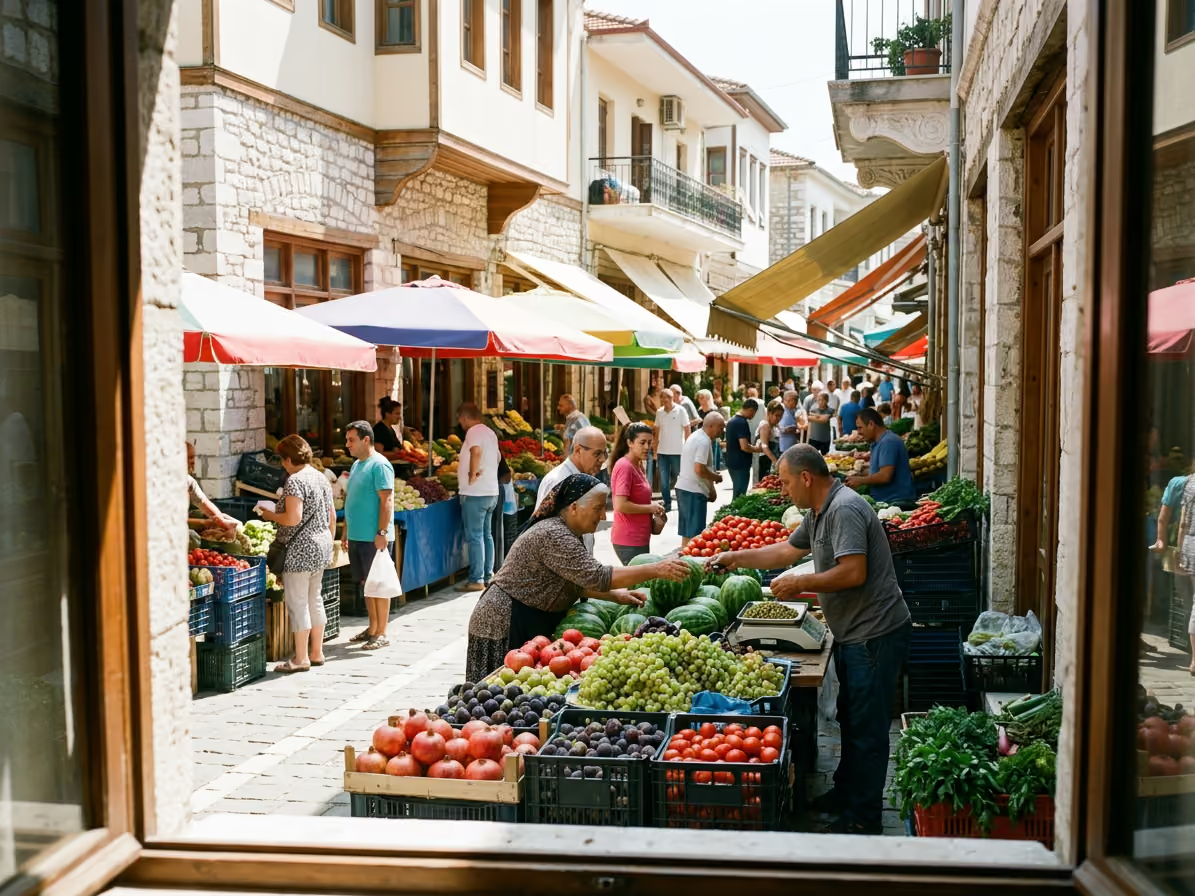
Markets are part of the safety system. At Vlorë’s produce stands, you can compare wild-looking greens, ask names in Albanian, and learn how people cook them. Write down the Albanian name and take a photo with permission.
Useful Albanian words include hithra for nettles, rigon for oregano, trumzë for thyme, nenexhik for mint, sherbelë for sage, ullinj for olives, fiq for figs, and rrush for grapes. Local names can vary, so use them as conversation starters, not final proof.
If your forage walk fails, you can still cook the same style of meal. Buy spinach or chard for lakror. Buy dried oregano and thyme from a market stall. Buy figs in season. Buy olives and olive oil from known producers.
This keeps the pressure low. You do not need to force a wild harvest every time. The best foragers know when to walk home with photos and no food.
The romantic version is simple. You walk into the hills, fill a basket with herbs, cook dinner with sea views, and feel like you cracked local life. The real version has more dust, more uncertainty, more private land, and more time spent asking questions.
You may go out for oregano and return with nothing. You may find the right plant beside a road, then leave it there since the location is dirty. You may learn that the fig tree you admired belongs to someone’s uncle. That is not failure. That is learning how Vlorë works.
Daily life in Albania rewards patience. Bureaucracy, rentals, and transport can feel unclear at times. Foraging has the same rhythm. You learn through people, repeated visits, and small tests.
For expats, the biggest risk is overconfidence. Many newcomers are used to clear signs, marked trails, and packaged food systems. Vlorë’s food knowledge is more social. It sits with cooks, farmers, shepherds, grandparents, market sellers, and neighbors.
The second risk is treating apps like experts. Plant apps are helpful, but they can be wrong. Use them for clues, then confirm with a person and a proper guide.
The third risk is taking too much. A beginner sees a patch of oregano and wants a winter supply. A local sees the same patch and knows to leave most of it. Take a little from several healthy plants, never strip a patch, and avoid roots unless a trained guide tells you otherwise.
A good rule is to take less than 10 percent from any patch. This is not a legal formula. It is a practical ethic. If the patch is small, take none.
Respect private land. Olive groves, grape vines, fig trees, and garden herbs almost always belong to someone. In villages near Radhimë, Dukat, and Orikum, asking can lead to a story, a coffee, or a paid local product. Taking without asking damages trust.
Respect protected areas. Vlorë is close to lagoons, coastal habitats, and mountain zones that need care. If a place is marked as protected, fragile, or part of a park, leave plants where they are.
Our host tip from Vlore Circle is this. Pick your teacher before you pick your plant. Start with one neighbor, one market seller, or one local cook who is willing to show you three safe plants in season. Bring those plants home, cook them once, write down what you learned, then repeat next month.
One community member who lives near Skela uses a simple rule. She only forages plants she has seen alive in the field, for sale in the market, and cooked by a local person. That three-part check is slow, but it keeps her safe.
Another resident near Uji i Ftohtë keeps a “no eat” album on her phone. It has oleander, lantana, mastic tree, and unknown roadside plants. This is smart. Learning danger plants is just as useful as learning edible ones.
If you are new to Vlorë, begin with dried herb learning. Buy oregano, thyme, mint, and sage from trusted sellers. Smell them, cook with them, learn the Albanian names, then look for the living plants on guided walks. Your kitchen knowledge will make field learning easier.
If you feel isolated, use foraging as a social bridge. Ask someone at a meetup what their family makes with nettles. Ask a market seller how they use wild greens. Join the community if you want local residents, expats, and remote workers to share seasonal notes without fluff.
Revisit this resource at the start of each season. Read the spring section in March, the summer herb section in June, the autumn preservation section in September, and the winter tea section in December. Vlorë changes month by month, and your safest pantry grows through repeated practice.
Walk lightly, ask often, and let the hills teach you at their own pace.
Follow Vlore Circle for fresh guides, local updates, and community notes around life in Vlorë. It is the easiest way to stay close to what we are building.

Be part of a growing community built around connection, local life, and a better experience of Vlorë.
join the circle