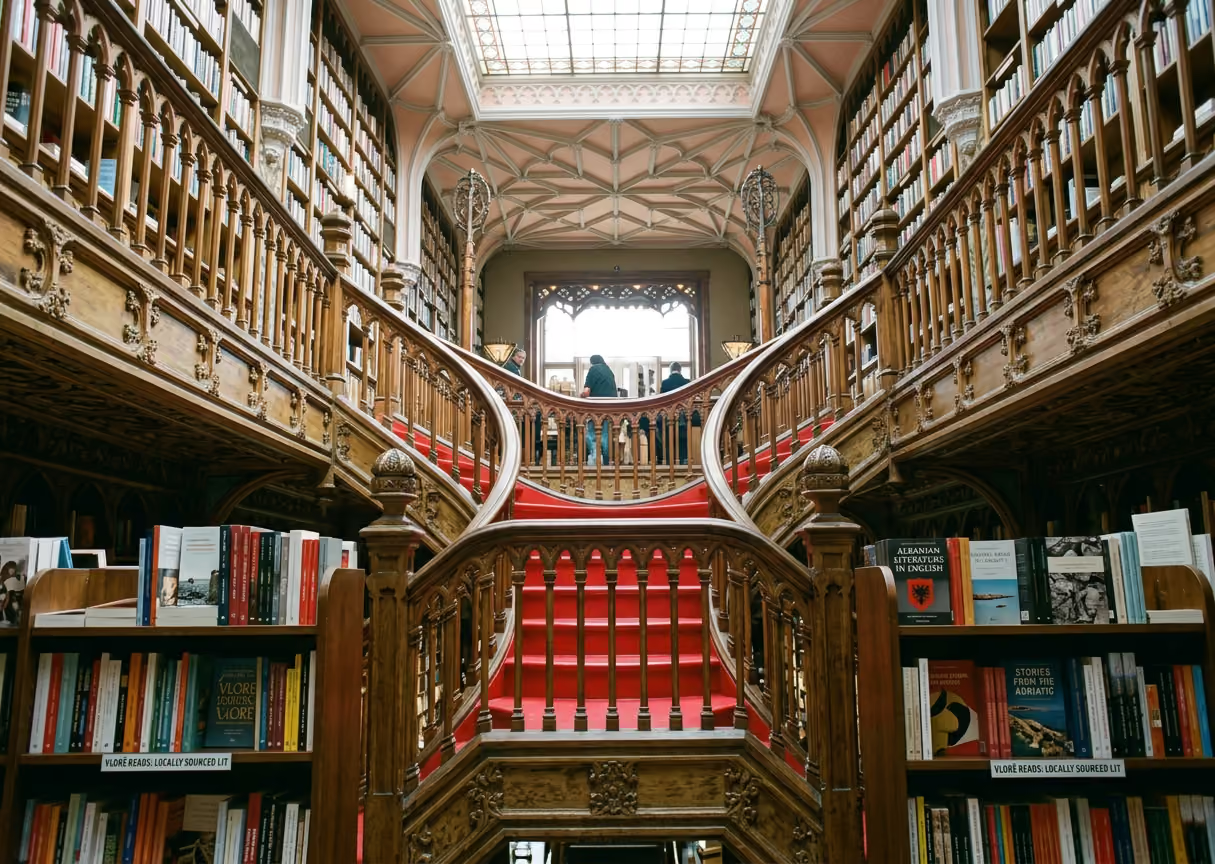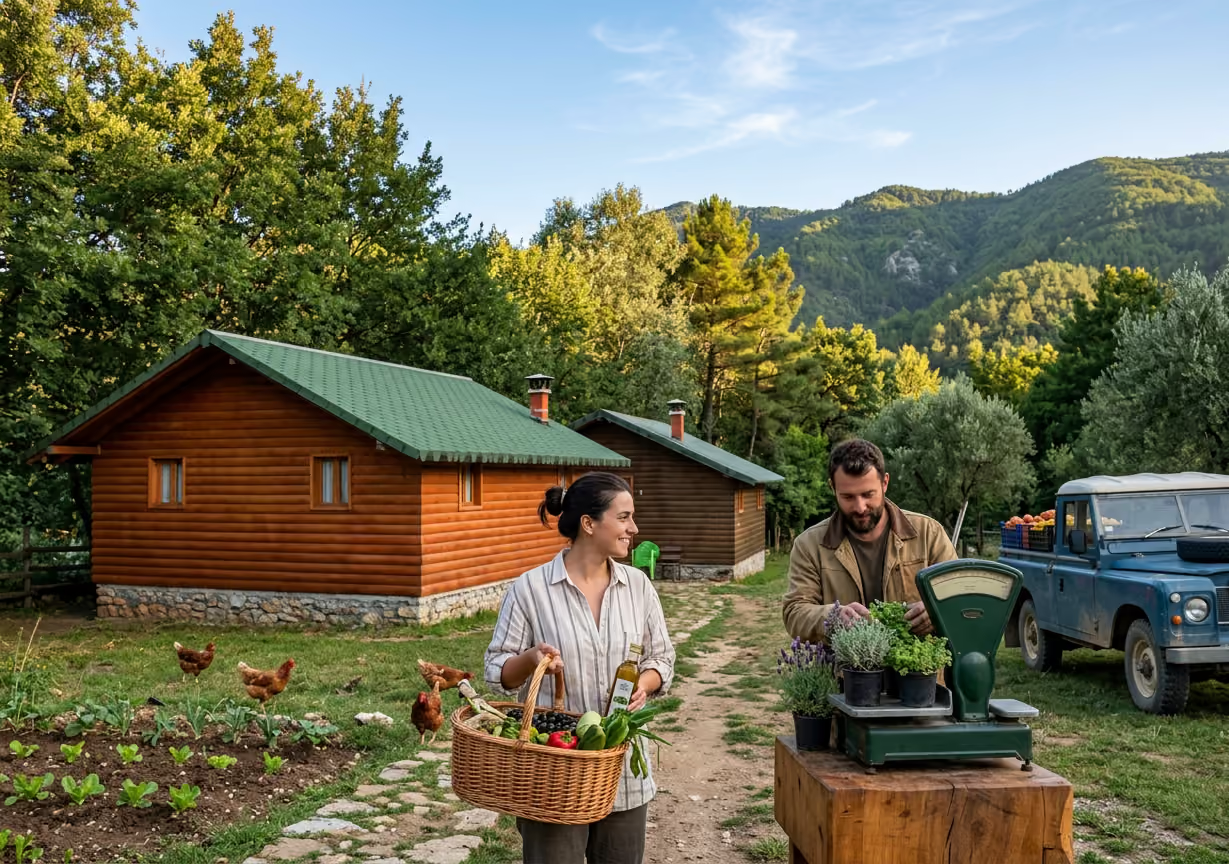
Representative image

Shopping for fresh olive oil and village produce around Vlorë requires knowing which local farms offer authentic organic goods.





Organic farming near Vlorë means certified or low input farming that avoids synthetic pesticides, synthetic fertilizers, and GMOs. It is not a polished Tuscany style circuit with dozens of marked farm gates, so this guide explains where to buy, who to contact, how to plan visits, and what to expect on the ground.
If you are in Vlorë and want farm fresh food, start with verified local delivery options, olive oil producers on the Riviera, and agritourism day trips toward Qeparo, Sarandë, and inland villages. For real certified organic products, ask for Albinspekt certification or clear producer details before you pay.
Organic agriculture in Albania follows a clear idea. Food should be grown without synthetic pesticides, synthetic fertilizers, or GMOs. Albanian organic rules have been shaped to match EU style standards, with formal legislation in place since 2004, according to Organic.com.al.
That sounds simple, but the market is still small. Organic.com.al reports that only 0.01 percent of Albania’s arable land is organic. The same source says Albinspekt had 38 certified organic farms listed, with around 100 organic producers in total.
This matters when you shop in Vlorë. A tomato from a village near Kaninë may taste excellent, but taste is not proof of certification. A farmer at the market may grow with few chemicals, yet that is not the same as certified organic.
Albania has strong natural conditions for organic farming. The country has fertile valleys, mountain pastures, mild coastal areas, and long traditions of small family plots. Organic.com.al notes major potential in medicinal and aromatic plants, olives, chestnuts, strawberries, grapes, apples, and wild collection areas.
Wild collection is one of Albania’s strongest organic segments. Organic.com.al cites around 250,000 hectares of certified wild collection areas. These areas support medicinal plants, mushrooms, chestnuts, forest fruits, and other products collected from rural zones.
Near Vlorë, olives are the most practical entry point. The coast from Vlorë down toward Dhërmi, Himarë, Qeparo, Borsh, and Sarandë has deep olive traditions. You will see groves on slopes above the sea, roadside oil sellers, and family mills in villages off the Riviera road.
For a buyer, the rule is simple. “Bio,” “natural,” and “village product” are not always the same thing. Ask who produced it, where it was grown, whether the seller has certification, and when it was harvested.
You do not need to become a food inspector. You just need a few smart habits. Buy from known producers, keep a list of trusted sellers, and ask the same questions each season.
Vlorë sits between city life, sea culture, olive groves, and mountain villages. You can drink coffee on Lungomare in the morning, then drive toward Llogara, Kaninë, Nartë, Orikum, or the Riviera by lunch. This makes the city a practical base for people who care about food.
Many newcomers arrive with a beach map. After a few months, they need a food map. They want eggs that taste like the village, olive oil from a real grove, honey with a known beekeeper, herbs that did not sit in plastic for a week, and fruit picked close to town.
Vlorë has a strong food culture, but it is not built around English language labels. Shopping is often done through relationships. A neighbor tells you which butcher has better lamb, which woman brings eggs from the village, and which olive oil seller is honest.
That local pattern can be hard for expats and remote workers. You may live near Lungomare, Uji i Ftohtë, or the city center, yet still not know where to buy good seasonal produce. The language barrier can turn a simple food question into a long guessing game.
The local food rhythm is seasonal. Spring brings greens, herbs, young onions, and fresh cheese. Summer brings tomatoes, cucumbers, peppers, figs, grapes, and melons. Autumn is olive oil season, grape season, nut season, and a good time for village trips.
Winter has a different mood. You see citrus, preserved vegetables, beans, mountain tea, honey, and oil from the recent harvest. Restaurant menus may feel smaller, yet the best homes and small kitchens still cook very well.
Agritourism matters here since it connects the city to its villages. A farm visit near Vlorë is not only a food activity. It can teach you how local families store oil, when they press olives, why raki is served with pride, and why people argue over the best source for white cheese.
It matters for farmers too. Albania’s organic market is small and fragmented, according to Organic.com.al. Direct buying gives small producers a better route to customers than waiting for big retailers to stock low volume products.
For long term residents, this is one of the best ways to feel grounded. A recurring food source gives you routine. A farm contact gives you a person to call before holidays. A Saturday trip to Qeparo or a delivery from a trusted local seller turns Vlorë from a place you rent in into a place you know.
The Vlorë buying scene has three layers. You have urban delivery and shops, direct producer contacts, and farm or mill visits outside town. The best results often come from mixing all three.
Bio Farm Fshatçe is one of the clearest city based options for people living in Vlorë. Wolt lists Bio Farm Fshatçe at Rruga Sadik Zotaj, Vlorë 9400. The listing shows organic and bio delivery, with operating hours listed from 08:00 to 23:00 on Monday and Tuesday at the time checked.
This option works well for residents in the city center, near the port road, or close to Lungomare. It is useful when you want meat, fish, or farm style items without taking a car out of town. The practical move is to check the current Wolt listing before ordering, since hours and stock can change.
A delivery listing is not the same as a farm tour. Treat it as a purchase point, not a rural experience. If a product is labeled organic, ask the seller for producer details and certification when that matters to you.
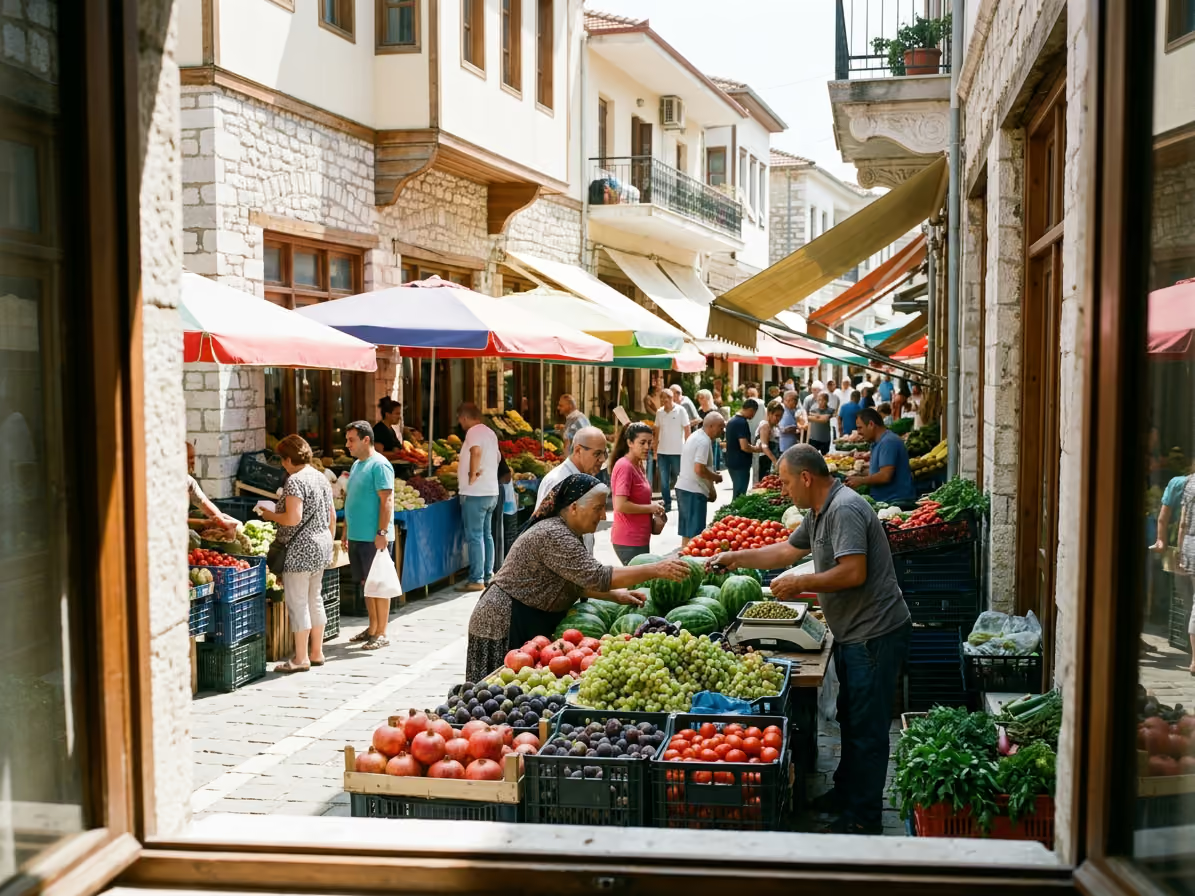
Vlorë’s everyday markets can be very good for seasonal food. You may find tomatoes from nearby fields, herbs, figs, grapes, pumpkins, eggs, cheese, and jars of preserves. The challenge is that product origin is often shared by word of mouth.
Go early in the morning for better choice. Bring small lek notes and a reusable bag. Ask “Nga është?” which means “Where is it from?” and “A është bio?” which means “Is it organic?”
Do not expect printed labels on every crate. Some sellers can tell you the village, the grower, and the harvest day. Others may only say “fshati,” meaning “the village.”
If you live near the center, build a routine with two or three sellers. Return weekly and ask what is new. Trust grows slowly, and repeated buying often gets you better advice.
Olive oil is one of the strongest farm to table buys near Vlorë. The road south toward Orikum, Llogara, Dhërmi, Himarë, Qeparo, and Borsh passes close to many olive areas. In autumn and early winter, fresh oil becomes a major local topic.
Albania Travel Guide lists Gjikondi Oil Factory in Qeparo among agritourism experiences. The site describes an olive grove setting with production, purchases, and guesthouse access. Qeparo is realistic for a day trip from Vlorë if you leave early and plan around the Llogara road.
When buying olive oil, ask when it was pressed. Ask whether the olives came from the producer’s own grove. Ask how the oil is stored, since heat and sunlight damage quality.
A clear glass bottle left in the sun is a bad sign. A dark bottle, metal tin, or shaded storage area is better. If you can taste before buying, look for fresh green notes, a light peppery finish, and no rancid smell.
BioAdria appears in the sector study by Berner and Kazazi on Organic Agriculture in Albania, hosted by Organic Eprints. The study names BioAdria in relation to Vlorë and describes work with local producer support, inputs, and training. It mentions extension activity across villages, including methods like mulching and green manure.
For a normal resident, BioAdria is less like a shop and more like a network clue. It points toward the support systems behind organic production. If you are serious about sourcing, ask local agriculture contacts, QTTB Vlorë, and producers whether they know certified growers linked to such networks.
QTTB Vlorë, the Center for Agricultural Technology Transfer, is not a tourist farm. It is a local institution focused on agricultural practices and technology transfer. For people researching farms, inputs, crops, or producer systems, it can be a useful reference point.
This is most useful for long stay residents, food business owners, researchers, and highly curious home cooks. If you want a casual Sunday lunch, pick a farm or olive mill instead. If you want to understand which crops suit Vlorë’s climate, QTTB is more relevant.
Vlorë has farm food around it, but formal agritourism is uneven. Some places are ready for guests. Others are real farms with no visitor system. Your best plan depends on time, transport, and how much comfort you expect.
A simple half day plan can stay inside Vlorë. Start near the city center with a morning market walk. Buy fruit, greens, herbs, local cheese, or eggs.
Then check Bio Farm Fshatçe on Wolt for meat, fish, or farm style delivery. If you are staying near Rruga Sadik Zotaj, the city center, or Lungomare, this is easy to combine with home cooking. End the day with a simple meal at your apartment using Vlorë produce and local oil.
This plan is not a farm visit. It is a low effort way to start buying better. It works well for remote workers with no car.
The Qeparo route is one of the best food trips from Vlorë. Drive south from Vlorë toward Orikum, climb the Llogara road, then continue down the Riviera toward Qeparo. The road is scenic, but it needs patience and safe driving.
Gjikondi Oil Factory in Qeparo is listed by Albania Travel Guide as an agritourism related stop. The appeal is simple. You can connect olive groves, oil production, village walking, and coastal lunch in one day.
The best season is olive harvest and pressing time, often autumn into early winter. Contact ahead rather than arriving unannounced. Small producers may be pressing, away in the grove, or hosting guests.
Bring cash, a bag for bottles, and questions. Ask about harvest date, olive variety, storage, and whether the oil is certified organic. If certification is not available, decide whether you are buying for taste and trust rather than formal organic status.
Botë Farms is listed on TripAdvisor in Sarandë, Vlorë County. TripAdvisor reviews and listings describe a visitor experience with animals, gardens, food, and a rural setting. The research summary notes tours from Sarandë with an eco pool, cooking class, gardens, hiking, animals, and a six course meal.
From Vlorë, this is better as a long day or overnight trip. The drive south can be slow, mainly in summer. If you are based near Uji i Ftohtë or Lungomare, leave early to avoid traffic through the coastal road.
This option suits families, groups, and food focused travelers who want more than shopping. It is closer to the classic agritourism model, with meals and activities. Confirm the schedule, meal format, language, and transport before booking.
Some of Albania’s best known agritourism examples sit far from Vlorë. Mrizi i Zanave in Lezhë is often used as a national benchmark, with a restaurant, local produce, and a strong farm to table identity. Adventure Albania lists Mrizi i Zanave among notable agrotourism places.
Devin Farm in Pukë, mentioned in agritourism roundups, shows another pattern. Visitors may find picking, cooking, animals, or outdoor activities. These examples are useful since they show what a more mature Albanian agritourism stop can look like.
Do not judge Vlorë harshly for having fewer polished farm stays. The region has strong food culture, but the formal visitor model is still growing. Vlorë is best for olive routes, delivery, market buying, and targeted rural visits.
Certification is the line between “it feels organic” and “it is certified organic.” Albania has official organic certification structures, and Albinspekt is named by Organic.com.al in relation to certified farms. If you care about real organic status, ask for proof.
Use simple questions. “Who is the producer?” “Is this certified organic?” “Which certifier?” “Can I see the label or certificate?” “When was it produced?” These questions are normal in serious food buying.
Do not ask in a way that sounds like an accusation. Many small farmers use traditional methods, but they may not have the money or paperwork for certification. They may be honest and still not certified.
A product can be excellent without certification. A product can be certified but still not match your taste. Your job is to know which standard you are using.
Watch for words like “bio,” “organic,” “natyral,” and “fshati.” “Bio” is widely used in Albania, but it can mean different things in casual speech. “Natyral” means natural, and “fshati” means from the village.
For certified goods, look for formal labeling. Imported certified products may carry EU organic marks. Local certified products should have producer and certifier information.
For unpackaged food, certification is harder to verify. Ask who grew it and whether they sell certified products elsewhere. If the answer is vague, treat it as farm fresh rather than certified organic.
Wild collected products are a major part of Albanian organic production. Organic.com.al reports 250,000 hectares of certified wild collection. This category can include medicinal plants, aromatic herbs, mushrooms, chestnuts, and forest fruits.
Quality can vary. Collectors, drying methods, storage, and transport all matter. For mountain tea, oregano, sage, and similar herbs, ask where it was collected and how it was dried.
Avoid herbs that smell dusty or look faded. Good dried herbs should smell alive when rubbed between your fingers. Store them in glass jars away from heat in your kitchen near the center or Lungomare apartment.
This can happen. Some sellers see certification questions as too formal for local food buying. Stay polite and move on.
Use trust levels. Level one is certified organic with proof. Level two is known producer with strong local trust. Level three is good looking market product with no proof.
Most Vlorë residents use a mix of all three. That is realistic. Trying to buy only certified organic may leave you with a small basket.
Buying by season is the easiest way to eat better near Vlorë. It fits local supply, lowers disappointment, and helps you avoid paying more for weak imported produce. It helps sellers too, since small farms often have short harvest windows.
Spring is good for greens, herbs, young onions, lettuce, fresh garlic, peas, and early strawberries. You may find wild greens used in pies and simple home cooking. Ask market sellers which greens are best for byrek.
This is a good season for fresh cheese and eggs. Villages above Vlorë and inland areas often supply small amounts. If you find a good egg seller, save the contact.
Spring weather can change quickly. A farm visit may be muddy after rain. Wear shoes that can handle dirt, not only city pavement.
Summer is the easy season for food lovers. Tomatoes, cucumbers, peppers, eggplants, watermelons, melons, figs, grapes, and herbs fill the markets. This is when home cooking in a rented apartment near Lungomare becomes simple.
Buy tomatoes by smell, not only color. Good summer tomatoes should smell like the plant. For peppers and eggplants, look for firm skin and no soft spots.
Summer is busy on the coast. Traffic toward Radhimë, Orikum, Dhërmi, and Himarë can be slow. If you plan a farm or oil stop, leave early and avoid peak beach return hours.
Autumn is the serious food season. Grapes, figs, nuts, pomegranates, apples, pumpkins, beans, and new olive oil come into focus. Olive pressing season is one of the best times to ask for producer visits.
If you want olive oil, plan ahead. Small mills and producers may be busy. Call or message before you arrive, and do not expect a full tour on a heavy pressing day.
This is a good time to buy larger amounts. A few liters of oil, dried herbs, beans, and preserves can carry your kitchen through winter. Store oil away from sunlight in a cool cupboard.
Winter food is quieter but not weak. Look for citrus, cabbages, leeks, beans, potatoes, preserved peppers, pickles, honey, tea, and olive oil from the recent harvest. Soups and stews make more sense than salads.
Farm visits may be less active. Some agritourism places reduce schedules outside high season. Call ahead and ask what is open.
This is a good time to build relationships. Sellers have more time to talk. Ask who will have spring greens, lamb, cheese, or honey when the season turns.
A good farm day near Vlorë needs planning. The region is not full of open gate farms with fixed daily tours. You need to confirm contacts, transport, meal times, and product availability.
Decide whether your goal is buying, eating, learning, or relaxing. Buying means markets, delivery, olive oil, and direct producer stops. Eating means agritourism restaurants or farm meals.
Learning means QTTB Vlorë, producer networks, or a farm that accepts visitors. Relaxing means a place like Botë Farms, where the visit is designed for guests. Each goal needs a different route.
For a short outing, stay in Vlorë city and nearby markets. For olive oil, choose Qeparo or another Riviera village with a known producer. For a full agritourism experience, look south toward Sarandë or north toward better known agritourism clusters.
Do not pack too much into one day. Vlorë roads can be slow in summer, and rural stops take time. A good day has one main visit, one meal, and one purchase stop.
Send a short message. Ask if visits are possible, what time works, what products are available, and whether English is spoken. Ask if card payment is accepted, since cash is common.
For olive oil, ask whether tasting is possible. For farm meals, ask if you need to book the meal in advance. For family visits, ask if children can join.
Bring cash in Albanian lek, water, sun protection, and shoes for uneven ground. Bring a small cooler bag for cheese, meat, fish, or fresh products. Bring extra wrapping for oil bottles.
If you do not speak Albanian, save key phrases on your phone. “Sa kushton?” means “How much does it cost?” “A mund ta provoj?” means “Can I taste it?” “A keni certifikatë bio?” means “Do you have organic certification?”
Taste when possible. Ask for harvest dates. For oil, avoid bottles stored in direct sunlight. For honey, ask where the bees are kept and which flowers dominate.
Do not pressure a small producer for discounts after a long tasting. If the product is good and the price feels fair, pay with respect. Direct buying works best when both sides feel valued.
Keep a simple note in your phone. Add the producer name, village, product, price paid, season, and contact. After three months in Vlorë, this list becomes more useful than any public directory.
Share good contacts carefully. Some small producers cannot handle many new customers at once. If a farmer tells you supply is limited, respect that limit.
Published farm price lists near Vlorë are not always available. Many small sellers price by season, supply, and relationship. For that reason, treat this section as a budgeting method rather than a fixed price chart.
Use Albanian lek for local buying. Carry small notes for markets and rural stops. Card payment is more common in city restaurants and larger shops than at farms.
For a city based food day, budget for market produce, delivery, and one bottle or small tin of olive oil. For a Riviera day, add fuel, parking, coffee stops, lunch, and oil purchases. For a full agritourism visit near Sarandë, add transport and a booked meal or tour fee.
Ask prices before tasting large amounts. This avoids awkward moments. It is fine to say, “I want to buy, but I need to know the price first.”
Olive oil is often the biggest purchase. Prices can change by harvest quality and producer. Certified organic oil may cost more than standard village oil.
Buy a small bottle first if you are new to a producer. If you like it after cooking with it for a week, return for a larger amount. This is better than buying five liters based only on one tasting.
Honey is another product where trust matters. Ask whether it is from the producer’s own hives. Ask which area it comes from, such as coastal flowers, mountain herbs, or chestnut zones.
Good honey can crystallize, so crystallization alone is not a problem. Very cheap honey with a vague origin should make you cautious. If you find a beekeeper you trust, stay loyal.
Mountain tea, sage, oregano, thyme, and other herbs are common Albanian buys. For organic claims, ask for certification. For non-certified herbs, use smell, color, and seller trust.
Buy small amounts at first. Herbs lose power when stored badly. Keep them away from steam in your kitchen.
Some farms include food in a set package. Others charge for activities, meals, or tastings separately. Always ask what is included.
If transport is part of the tour, confirm pickup point. A pickup in Sarandë does not mean pickup in Vlorë. That difference can change your whole plan.
The romantic idea is easy to sell. You imagine a stone farmhouse above the sea, a table under olive trees, a farmer pouring oil, and baskets of perfect vegetables. Sometimes you can get close to that.
Daily reality is more mixed. Albania’s organic sector is still small. Organic.com.al describes the market as seasonal and fragmented, with low volumes that make retail harder.
Vlorë is not packed with certified organic farms open for daily visits. Many producers focus on growing, pressing, fishing, livestock, or selling through known contacts. Hosting visitors takes time, staff, language skills, toilets, parking, and insurance.
Some farms are not set up for strangers. A family may be happy to sell oil, but not ready to give a tour. A village producer may have excellent cheese, yet no sign, no website, and no English speaker.
The organic label is another reality check. Many people use “bio” in casual speech. They may mean clean, homemade, village grown, or low chemical. They may not mean certified organic.
This does not make local food bad. It means you need clear categories. Certified organic is one category. Traditional village food is another. Agritourism experience is a third.
Transport is another issue. Without a car, your options shrink. Delivery in Vlorë helps, and buses can connect some towns, but rural farm access is harder.
Summer brings another layer. The Riviera road can be crowded, and restaurants may be focused on beach tourism. A farm visit that feels calm in October may feel rushed in August.
Weather shapes visits too. Rain can turn a rural road difficult. Heat can make midday farm walks tiring. Olive pressing, fruit picking, and garden visits follow the season, not your holiday calendar.
The payoff is real when you plan well. A trusted oil producer, a reliable egg seller, a farm lunch near Sarandë, or a Qeparo olive stop can change how you eat in Vlorë. Just do not expect every “bio” sign to lead to a certified farm tour.
Where you live in Vlorë changes your food routine. The city is spread along the water and inland roads. A resident near Lungomare has different habits from someone near the Old Town or the port.
The city center is practical for delivery, shops, and market access. Bio Farm Fshatçe is listed on Rruga Sadik Zotaj, so this area works well for people who want urban access to farm style buying. You can combine delivery, small grocers, and market walks without a car.
This area suits remote workers who cook at home during the week. It is easy to order, shop, and carry groceries by foot or short taxi ride. It is less useful for farm visits, but good for building a weekly food routine.
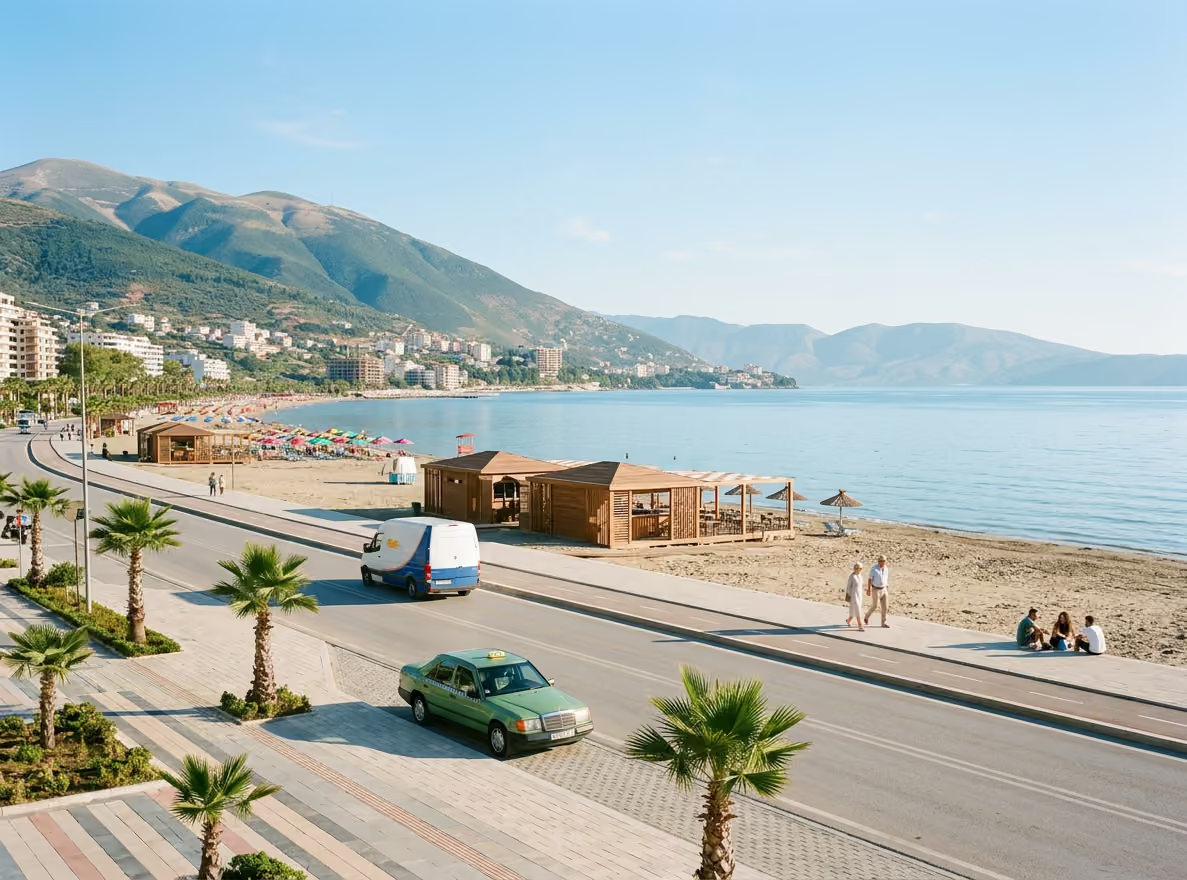
Lungomare is great for daily life, walking, coffee, and sea access. Food shopping takes more planning, since many seafront places are built around restaurants and tourism. You may need to walk inland or use delivery for better home cooking supplies.
If you live on Lungomare, create a two part system. Buy basics near home, then do one proper market or producer run each week. Keep olive oil, beans, herbs, and preserves stocked at home.
Uji i Ftohtë gives you fast access to the south road. This helps if you plan trips toward Radhimë, Orikum, Llogara, Himarë, Qeparo, or Sarandë. It is a strong base for Riviera food days.
The tradeoff is city market access. You may rely more on a car, taxi, or delivery. If you like olive oil routes and coastal village meals, this area works well.
The Old Town area and inland streets can feel more local. You may find smaller shops, fruit sellers, and neighbors who know producer contacts. This is a good area for people who enjoy asking questions and building relationships.
Language matters more here. A few Albanian food words will help. Once sellers know you return often, they may point you toward better seasonal products.
A good directory near Vlorë is not one long list. It is a small set of reliable starting points, plus a habit of verifying details. Schedules, stock, and visits can change fast.
Location listed by Wolt: Rruga Sadik Zotaj, Vlorë 9400.
Best for: Urban delivery, farm style products, meat, fish, and bio labeled items.
How to use it: Check the current Wolt listing before ordering. Ask about producer origin and certification for organic claims.
Listed by Albania Travel Guide as an agritourism experience in Qeparo.
Best for: Olive oil, production interest, Riviera day trip, possible guesthouse stay.
How to use it: Contact ahead, plan for olive season, ask about tasting and certification.
Listed on TripAdvisor in Sarandë, Vlorë County.
Best for: Family friendly agritourism, animals, gardens, meals, and organized visits.
How to use it: Confirm tour schedule, meal details, pickup point, and language before booking.
The Center for Agricultural Technology Transfer in Vlorë has an official site.
Best for: Agricultural knowledge, crop practices, and institutional context.
How to use it: Use it as a reference point if you are researching production or local farming systems.
Organic.com.al refers to Albinspekt in relation to certified farms.
Best for: Certification verification and organic claims.
How to use it: Ask producers whether they are certified, then request certifier details.
These are useful for broader agritourism ideas across Albania.
Best for: Comparing Vlorë options with places like Mrizi i Zanave or other national farm stays.
How to use them: Treat them as planning references, then confirm directly with each business.
Here is the advice we give at Vlore Circle. Do not start with a perfect organic checklist. Start with one weekly routine you can keep.
Pick one market morning, one oil source, and one delivery option. If you live near Lungomare, make Saturday morning your inland market run. If you live in Uji i Ftohtë, make autumn your Qeparo oil season. If you live near Rruga Sadik Zotaj, keep Bio Farm Fshatçe in your regular rotation.
Then add people. Ask your landlord where they buy oil. Ask your Albanian neighbor who sells real eggs. Ask at a meetup who has a trusted honey contact. Food networks in Vlorë grow through conversation.
At Vlore Circle, we see newcomers settle faster when they stop treating food as a tourist activity. The best food life here is repeated, local, and personal. You learn the seller’s name, you learn the season, and you learn when not to expect strawberries.
If you want help finding these contacts, Join the community. Come to a meetup, ask what is in season, and trade notes with people who have already tested the routes.
You can try, but your choices will be limited. Albania’s certified organic sector is small, with Organic.com.al reporting 38 certified farms and only 0.01 percent of arable land under organic production. Most residents mix certified products, trusted village products, and normal market food.
No. “Bio” can be used casually in Albania. Ask for the producer name, certifier, certificate, or formal label if certification matters to you.
A car helps a lot. You can buy in the city without one, using markets and delivery. For Qeparo, Riviera olive stops, or Sarandë area farm visits, a car or organized transport makes the day much easier.
Autumn is best for olive oil and harvest mood. Summer is best for market abundance. Spring is good for greens and fresh farm products, and winter is better for oil, citrus, beans, honey, and preserved foods.
Follow Vlore Circle for fresh guides, local updates, and community notes around life in Vlorë. It is the easiest way to stay close to what we are building.
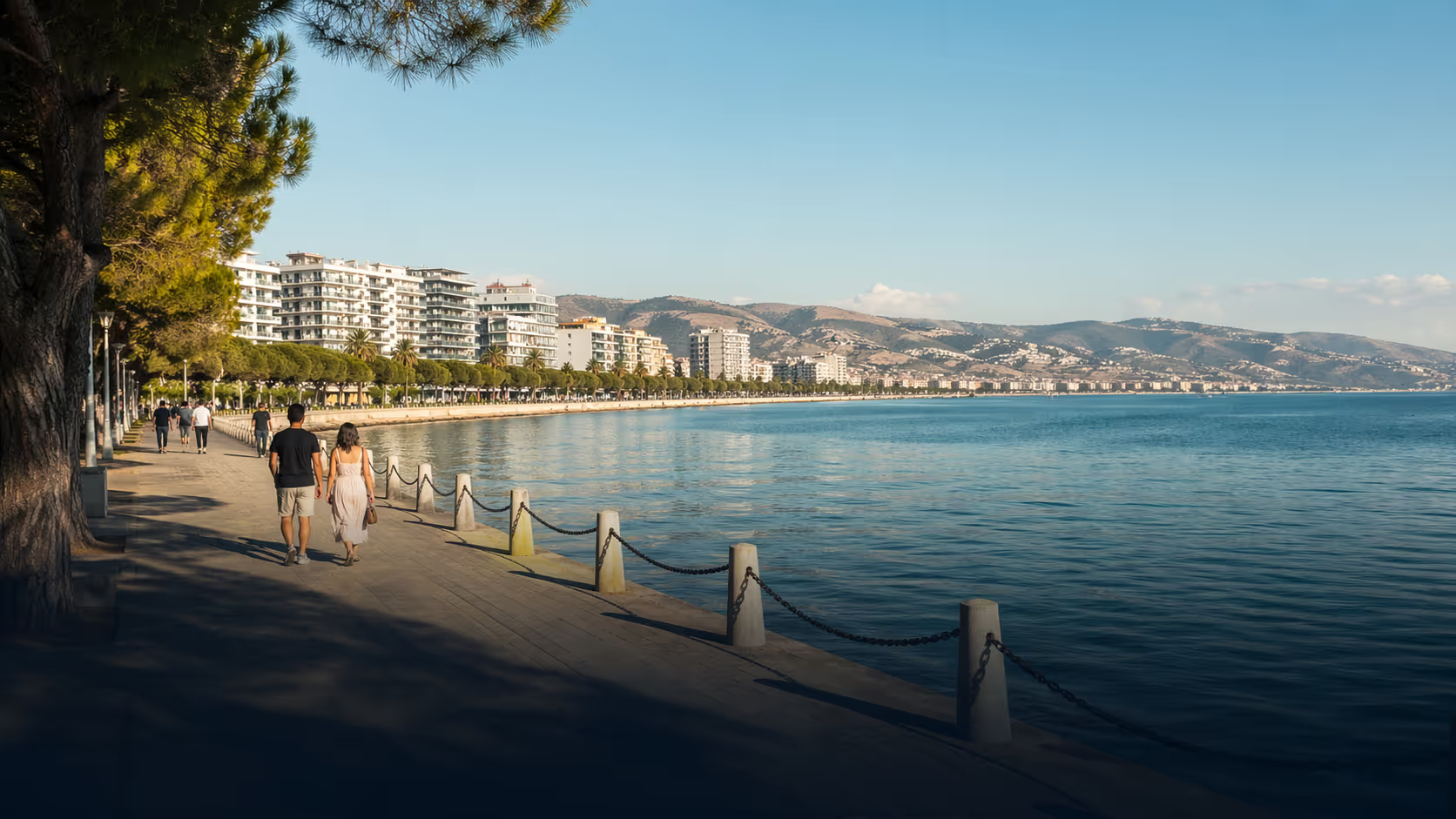
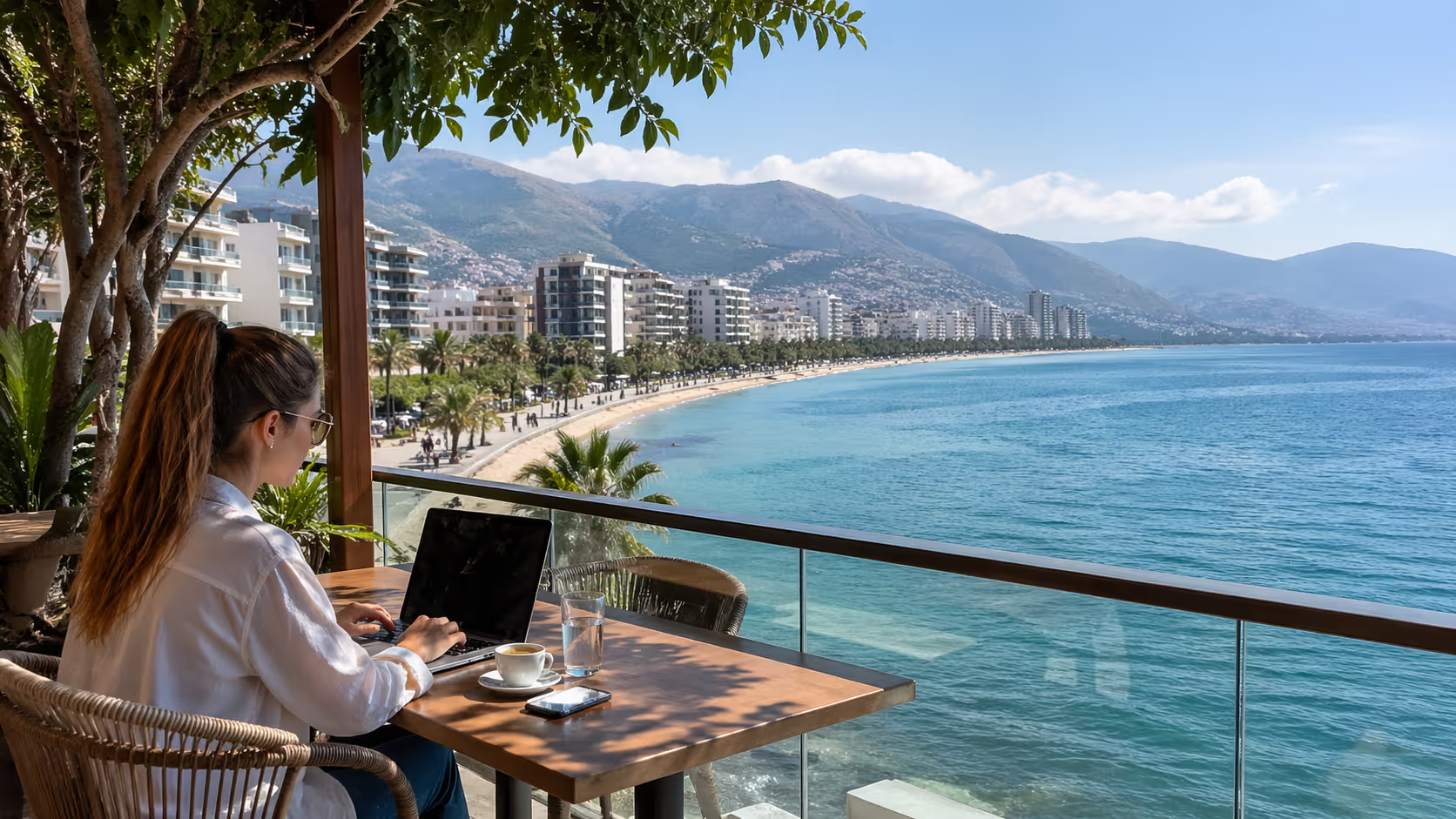

Be part of a growing community built around connection, local life, and a better experience of Vlorë.
join the circle